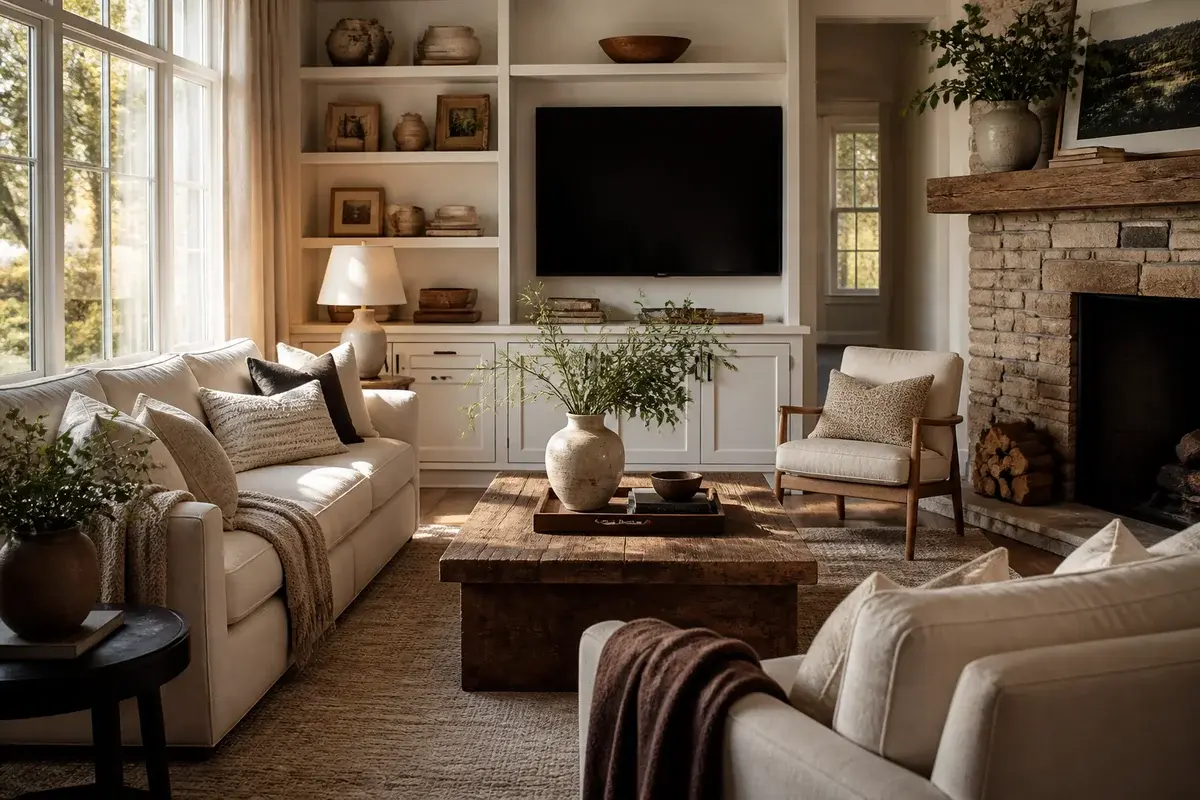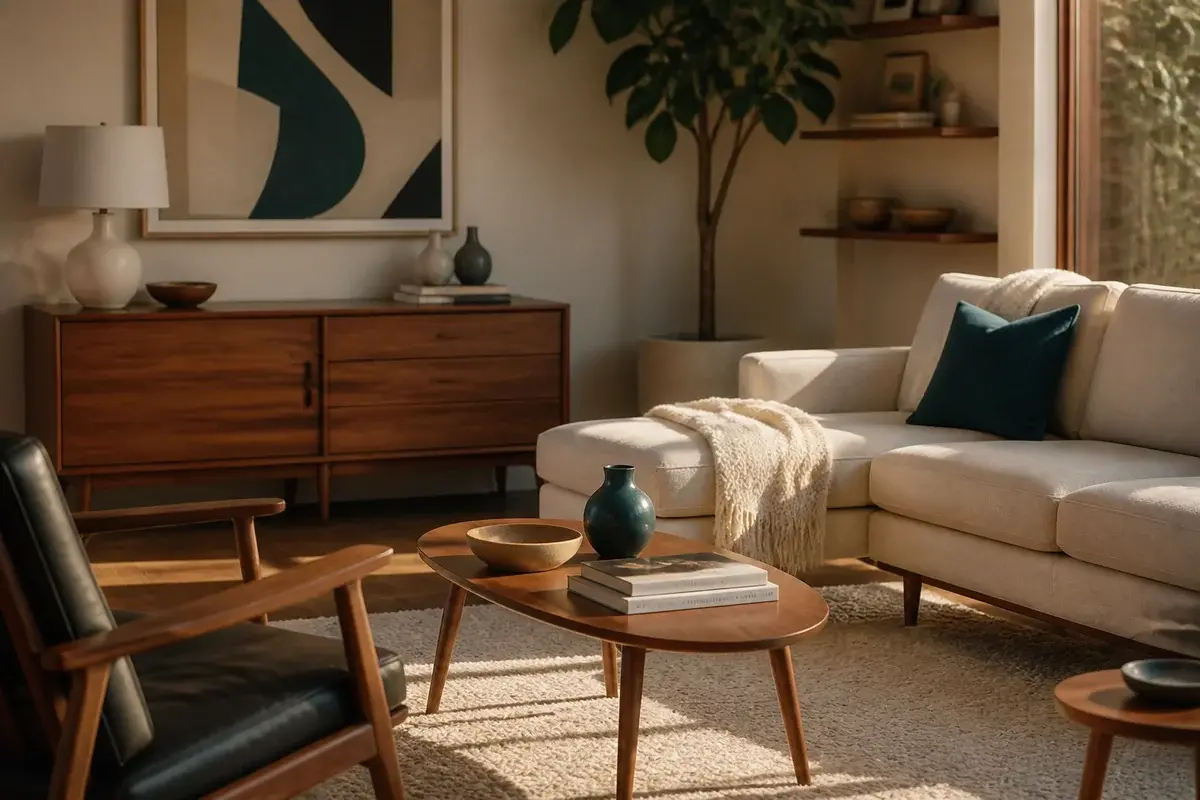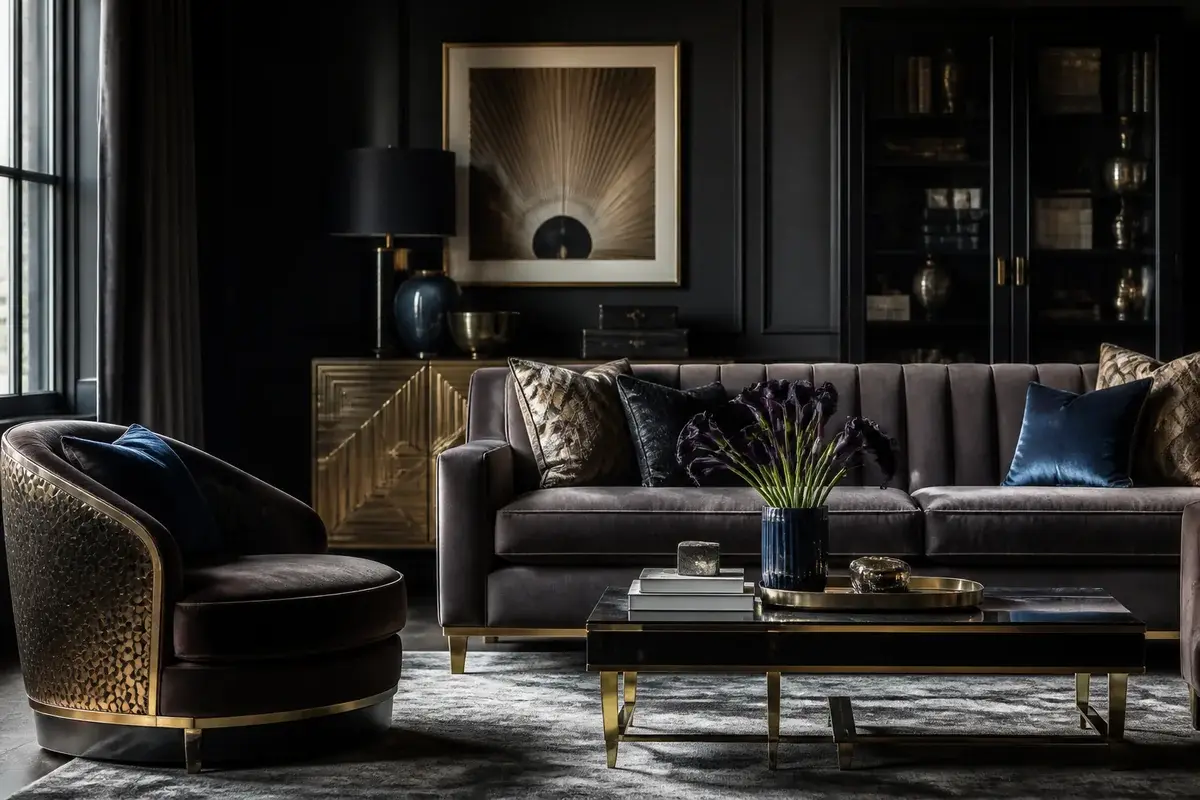
14 Modern Contemporary Living Room Design Ideas That Work With Existing Furniture
Refresh your contemporary living room design ideas without replacing furniture you already own. 14 practical styling changes that work with what you have.
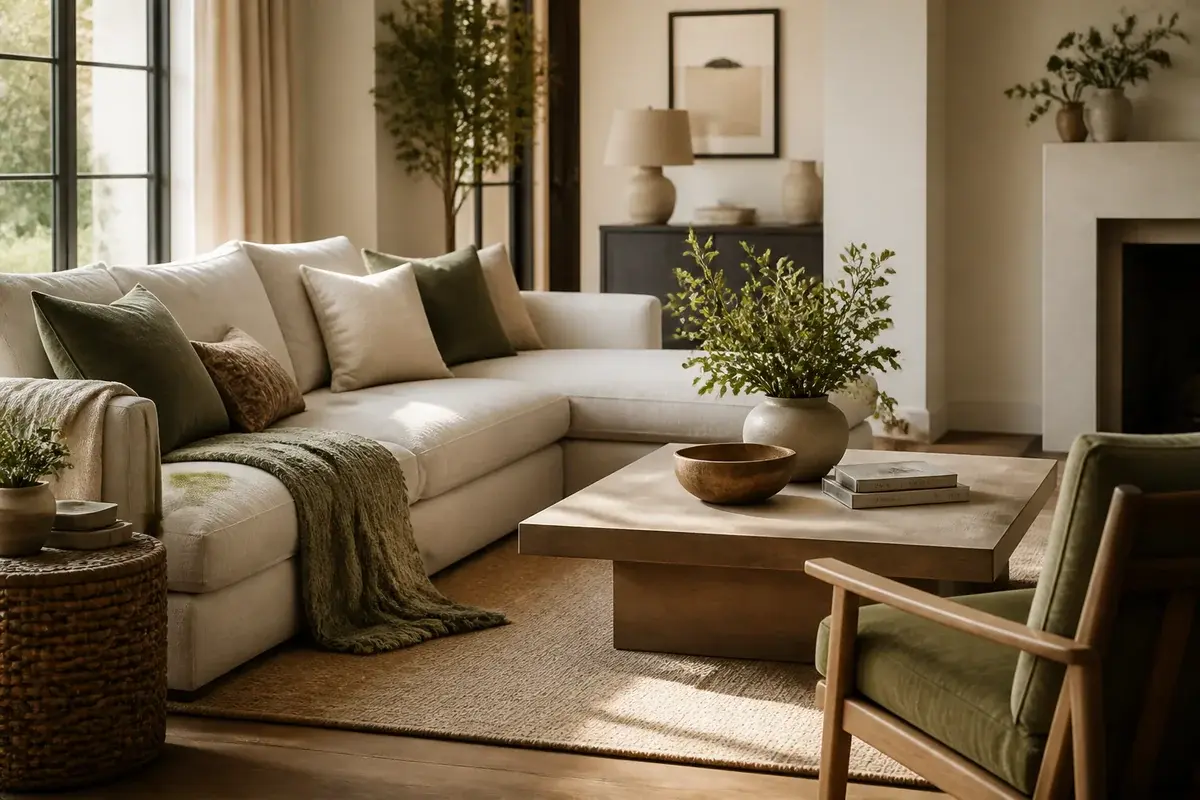
Most living room advice assumes you're starting from zero. It tells you to buy matching pieces, build around a statement sofa, or commit to a cohesive color story. But you already have a room full of furniture, and ripping it all out isn't realistic. The good news: contemporary design works brilliantly when you're building around what you've got. It's about clarity, proportion, and letting each piece breathe instead of forcing everything to match. Here's how to make your existing furniture feel intentional and modern.
1. Anchor with a simple, light-colored rug
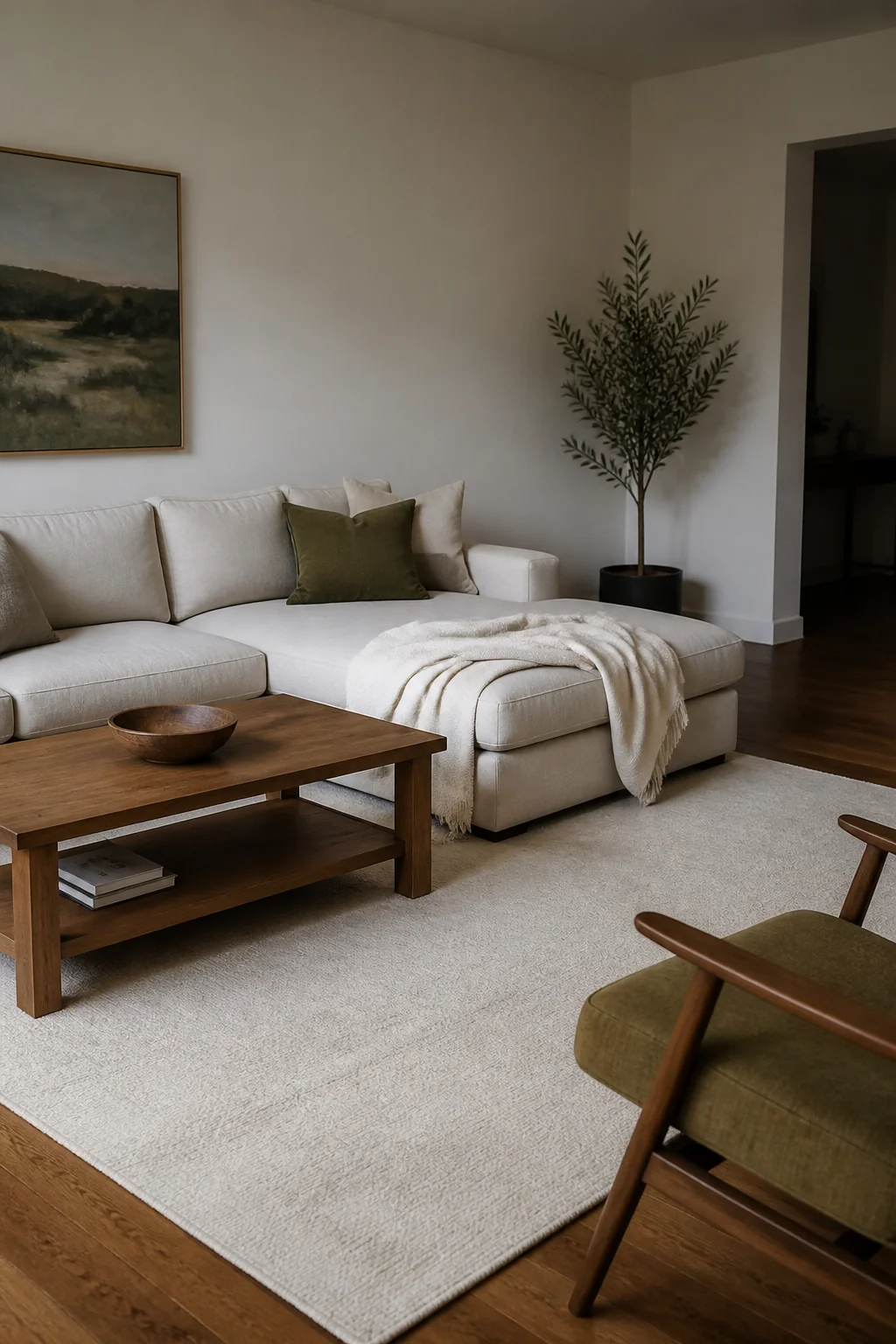
The rug you choose sets the tone for everything else sitting on top of it. A light neutral rug (cream, soft gray, or pale taupe) grounds your furniture and makes the room feel cohesive, regardless of what pieces you own. The rug should be large enough that at least the front legs of your sofa sit on it - usually 8 feet by 10 feet for a standard living room. Avoid anything patterned or heavily textured; contemporary style leans toward clean lines and subtle texture. Natural fibers like jute or wool work well, though a quality synthetic will be easier to maintain if you have pets or kids. The rug tells your furniture "you belong here together," even if they came from different eras or shops.
2. Strip the windows bare or use simple linen curtains
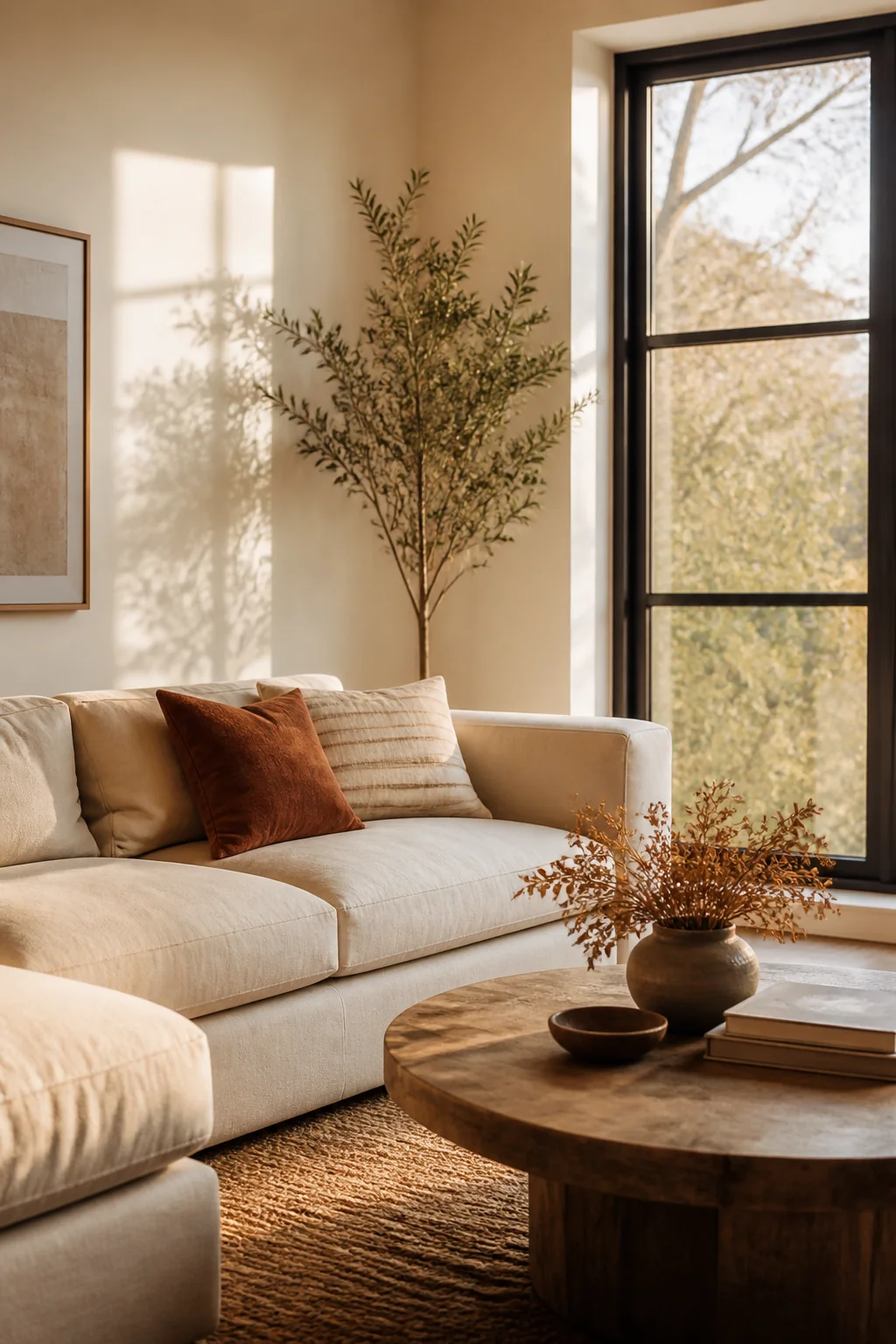
Heavy drapes, patterned fabrics, or ornate rods fight against contemporary style. Your windows should either be uncovered (showing the actual window frame and letting light pour through) or dressed in simple linen or linen-blend curtains in white, cream, or gray. Hang them from a thin rod in matte black or brushed nickel, mounted near the ceiling to make the room feel taller. The curtains themselves should be lightweight and fall straight without gathering or swags. If privacy is an issue, pair them with a simple roller shade underneath. This approach looks intentional rather than sparse, and it works with virtually any furniture arrangement because it doesn't compete for visual attention.
3. Paint an accent wall in deep charcoal or warm taupe
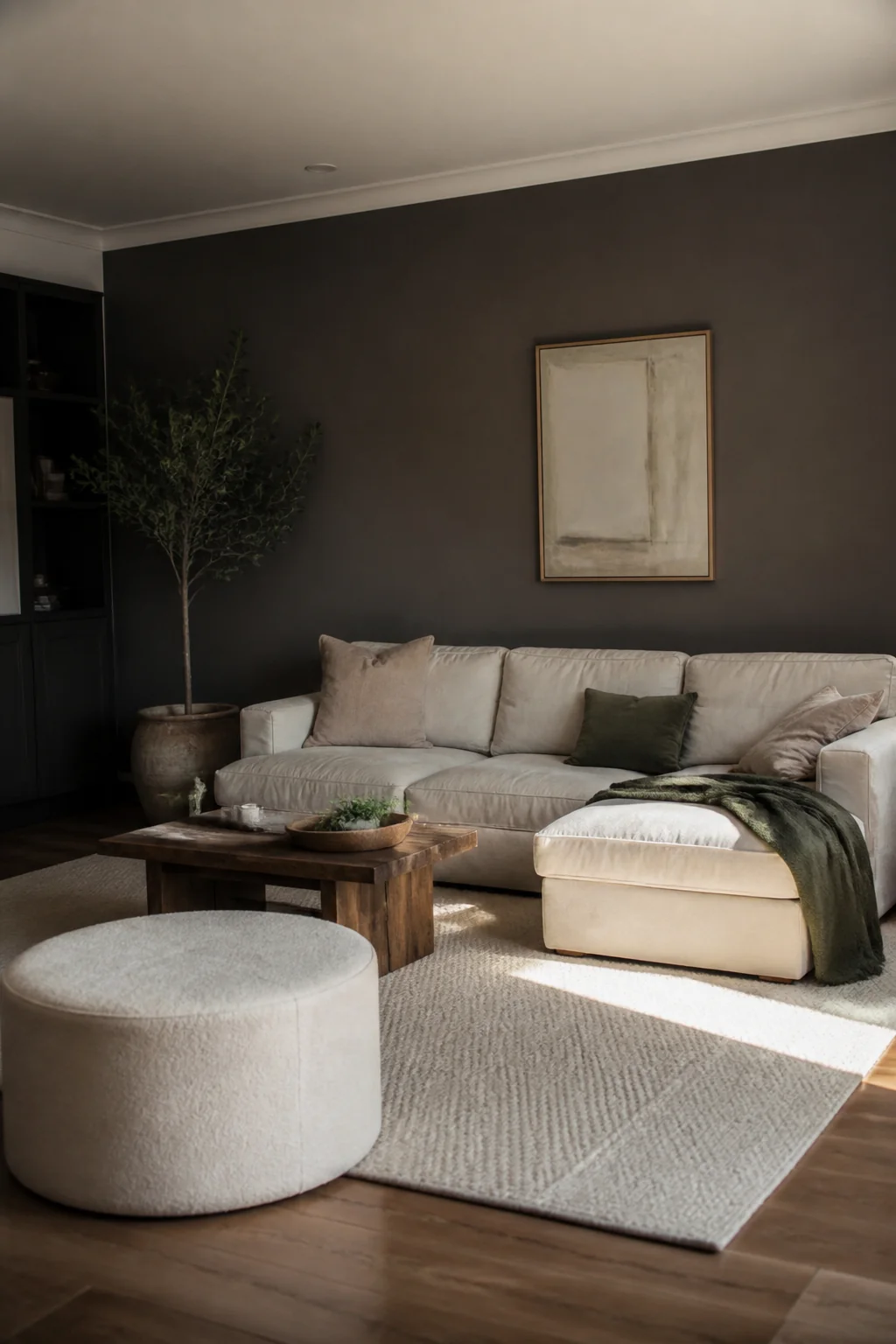
One accent wall gives your room focus and makes your existing furniture feel deliberate. Skip bright or saturated colors - contemporary rooms work best with muted, sophisticated tones. Charcoal gray reads as bold without being trendy, and warm taupe adds depth without overwhelming. The key is choosing the wall behind your sofa or the one that anchors the room's seating arrangement. Paint it first, then arrange your furniture in front of it. Quality paint typically costs between $60 and $80 per gallon, depending on the brand. This one change reframes your entire room and makes mismatched furniture look like a curated choice. (Painting a short wall in a small room often works better than a long one - it avoids making the space feel boxed in.)
4. Swap out hardware on existing pieces
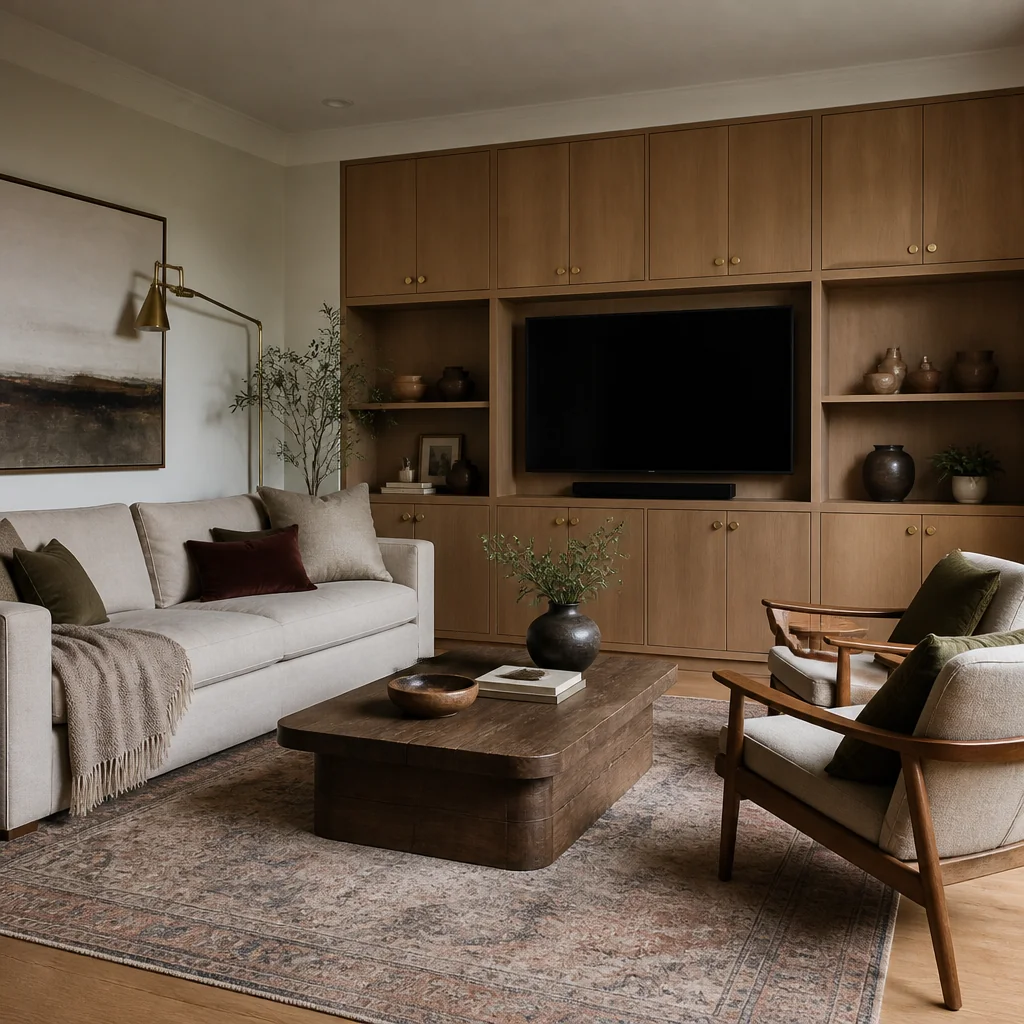
If your sofa, chairs, or wood furniture have handles, knobs, or hinges, replacing them costs almost nothing but shifts the entire feel. Contemporary style calls for simple, minimal hardware - think thin brass pulls, sleek black knobs, or brushed nickel handles. Hardware sets are available at various price points online. This works especially well on cabinets, side tables with drawers, or media stands. You'll feel the difference immediately. The existing shape of your furniture doesn't change, but it suddenly looks intentional and coordinated, which is exactly what contemporary design does.
5. Add open shelving or floating shelves above existing furniture
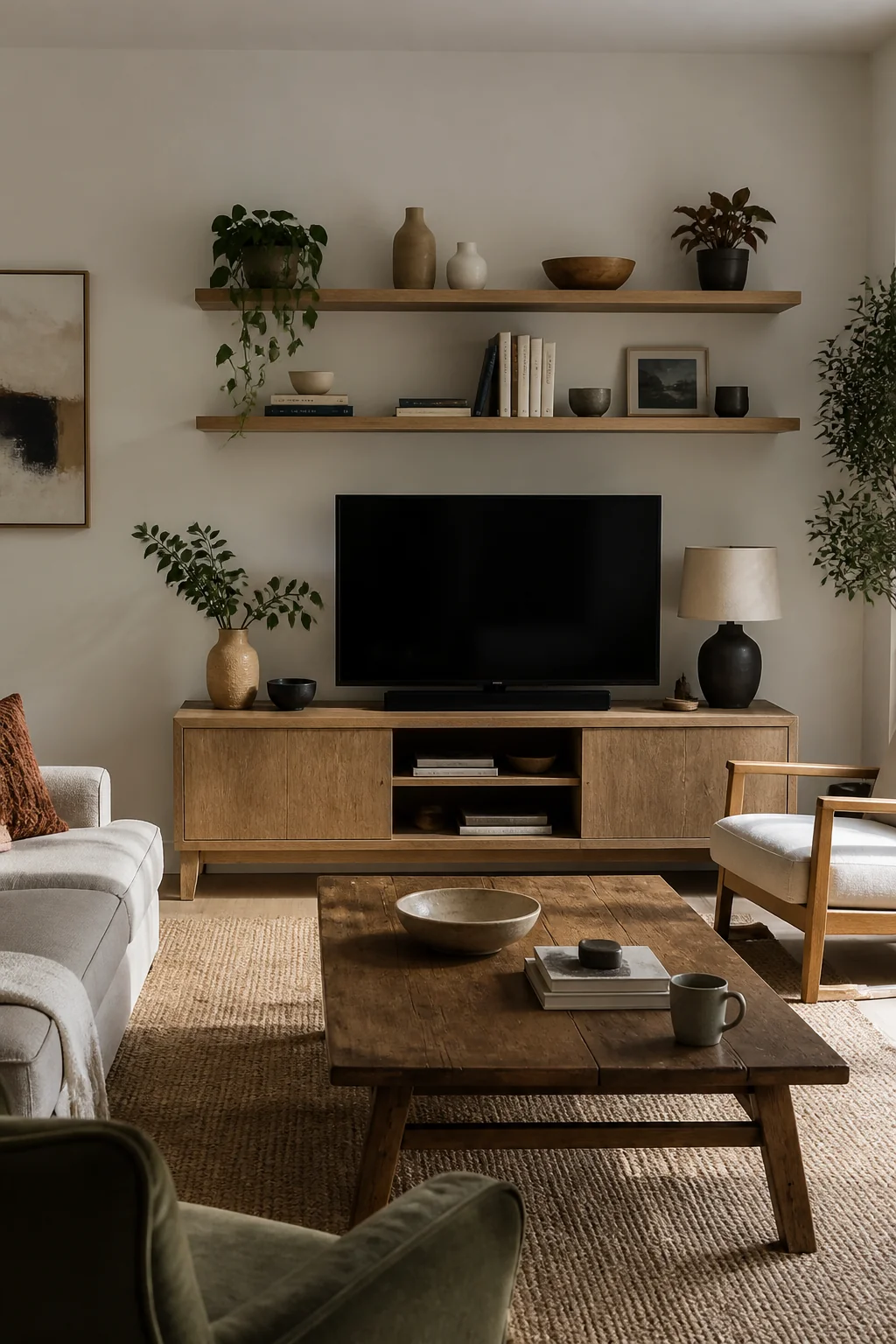
Open shelves create visual lightness and force you to be intentional about what you display. If you have a console table or media cabinet, mount two or three floating shelves above it at varying heights. Keep them spaced at least 12 inches apart to avoid clutter. Style them with books laid horizontally, a few ceramic pieces, and mostly empty space. Contemporary style abhors visual noise, so less is genuinely better here. Mount shelves with appropriate brackets for your wall type. They work with almost any existing furniture because the focus is on what's displayed, not the furniture itself.
6. Introduce a concrete or wood side table
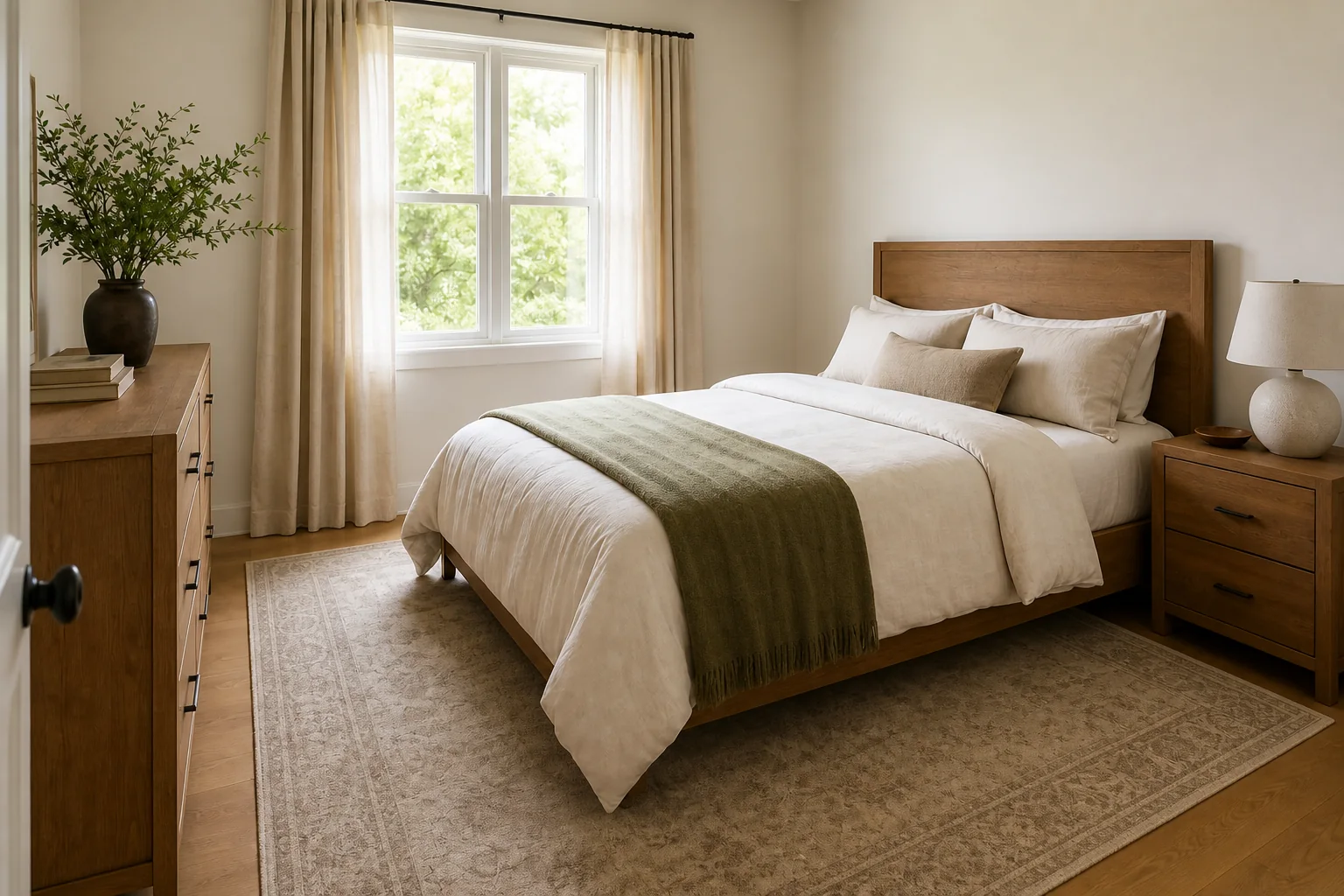
One sculptural side table anchors the contemporary look better than a matched set ever could. Look for something with clean lines, minimal detailing, and either raw wood, concrete, metal, or a combination. It doesn't need to match your sofa or other furniture. Consider a simple concrete table, typically around 16 inches square. That becomes your statement piece. Position it next to your sofa or in a corner of your seating area. Contemporary design loves singular, strong pieces because they look chosen rather than decorated. This one piece tells the room you're making intentional decisions about what lives there.
7. Hang large-scale abstract art in a tight cluster
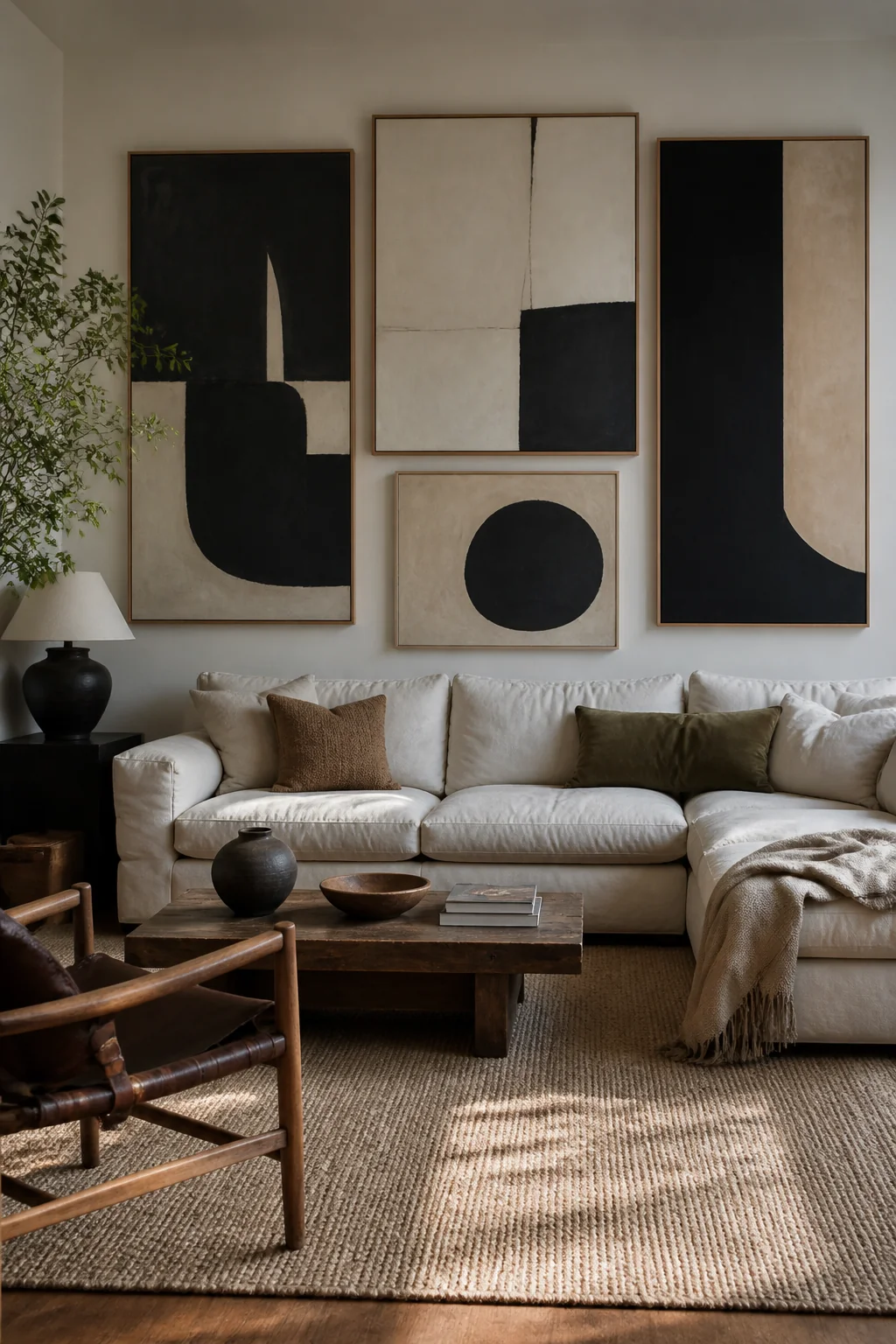
Contemporary living rooms use art as architecture. Instead of spreading small pieces around, create one deliberate grouping with three to five large-scale pieces (18 inches by 24 inches minimum). Keep them abstract - solid colors, geometric shapes, or loose, painterly work. Mount them in a tight cluster on the wall that faces your seating, positioning the center of the grouping at eye level when you're sitting down. Stick with simple, thin black or white frames, or no frame at all. This arrangement works because it looks intentional and architectural, not like you're filling empty wall space. The art becomes part of the room's structure, making your existing furniture feel like it belongs in that composition.
8. Replace lampshades with simple linen or silk versions
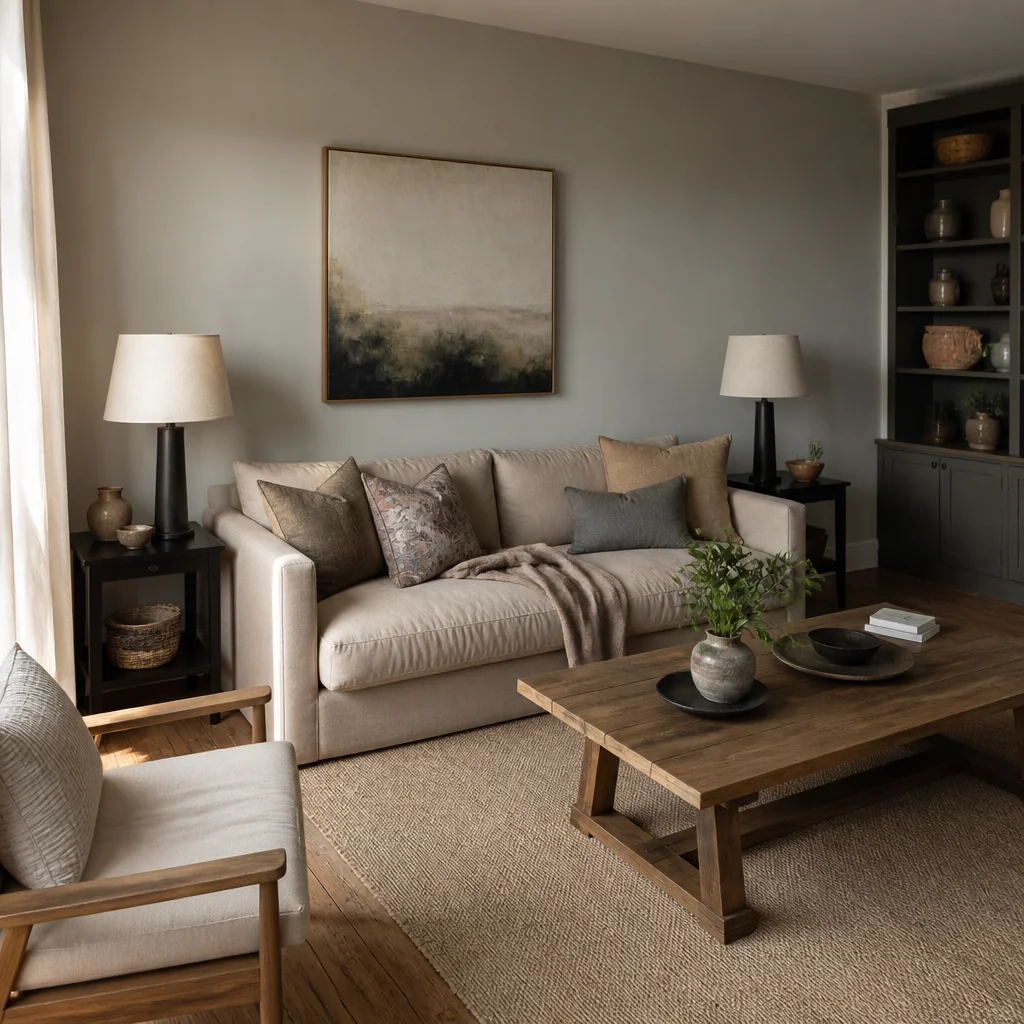
If you already have table or floor lamps, new shades transform them instantly. Swap whatever's there for plain linen or silk shades in cream, white, or soft gray. A decent lampshade costs $25 to $50. Contemporary style means no pleats, fringe, or patterned fabric - just clean geometry. The shade shape should be cylindrical or tapered drum-style, nothing ornate. This small change makes old lamps feel current because you've removed any decorative fussiness. Your lamp base could be brass, ceramic, or anything else, but the moment that shade is simple, the lamp reads as contemporary.
9. Layer in a sculptural wooden or metal accent chair
One modern chair that contrasts with your sofa grounds the room in contemporary style. If your sofa is upholstered and curvy, find a chair with straight lines and exposed wood or metal legs. If your sofa is mid-century modern, choose something sleeker or more minimal. The chair doesn't need to match anything else - that's the point. A quality accent chair runs $500 to $1,200. Position it at a right angle to your sofa or catty-corner to create an intentional conversation zone. Contemporary design loves contrast and clear sightlines, so this chair becomes a focal point precisely because it's different.
10. Use a credenza or console for storage instead of decorative accessories
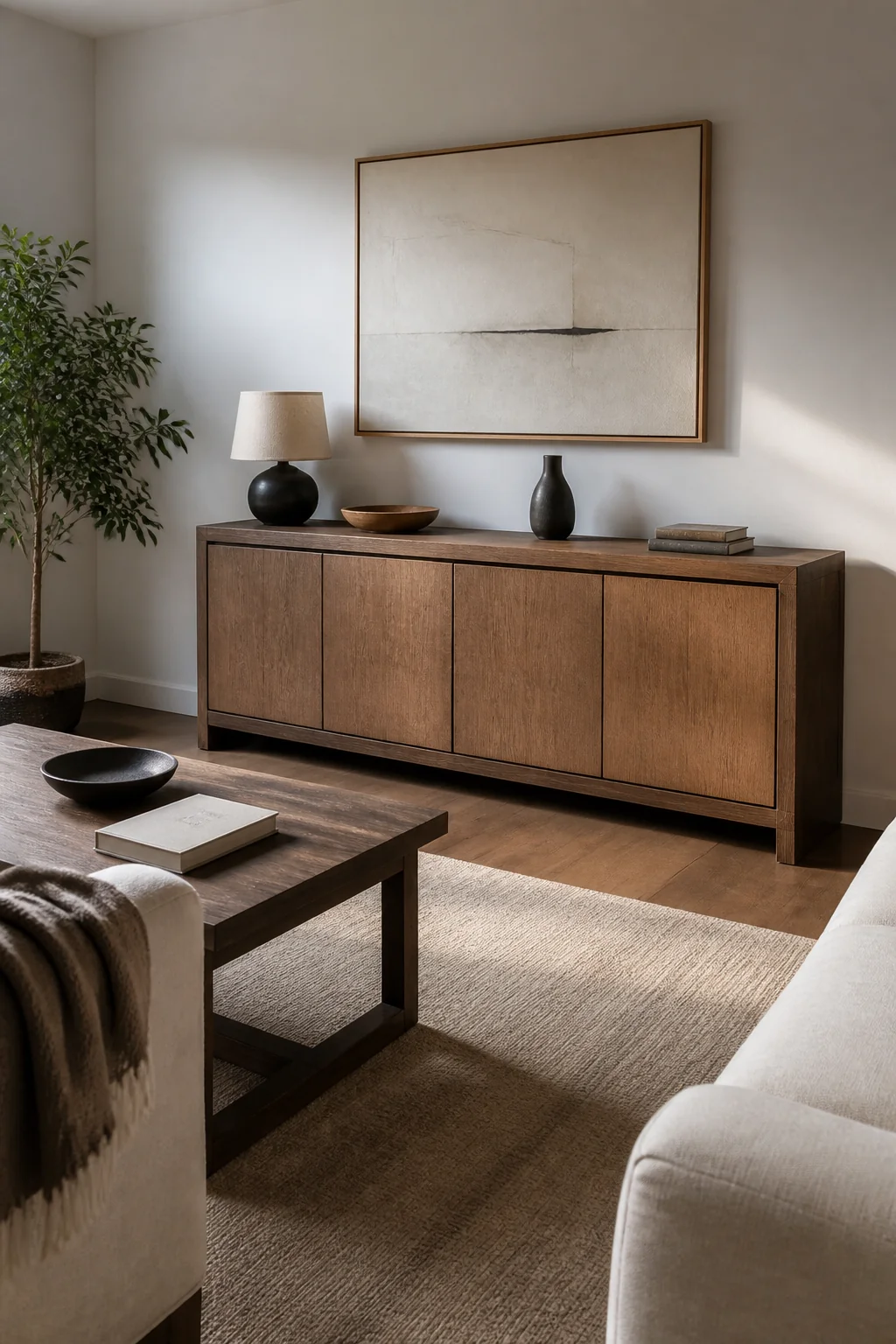
Contemporary rooms minimize surface clutter. If you have a low cabinet, credenza, or console table, use it as actual storage rather than filling it with decorative objects. Keep the top almost bare - maybe one lamp and one or two books standing upright. The furniture does the visual work. This approach works brilliantly with existing furniture because credenzas and consoles from virtually any era read as contemporary when they're clean and minimal. The pieces don't have to be new or designed as "contemporary" - they just need breathing room and empty space around them. That's what makes them feel modern.
11. Add track lighting or recessed fixtures to replace overhead lights
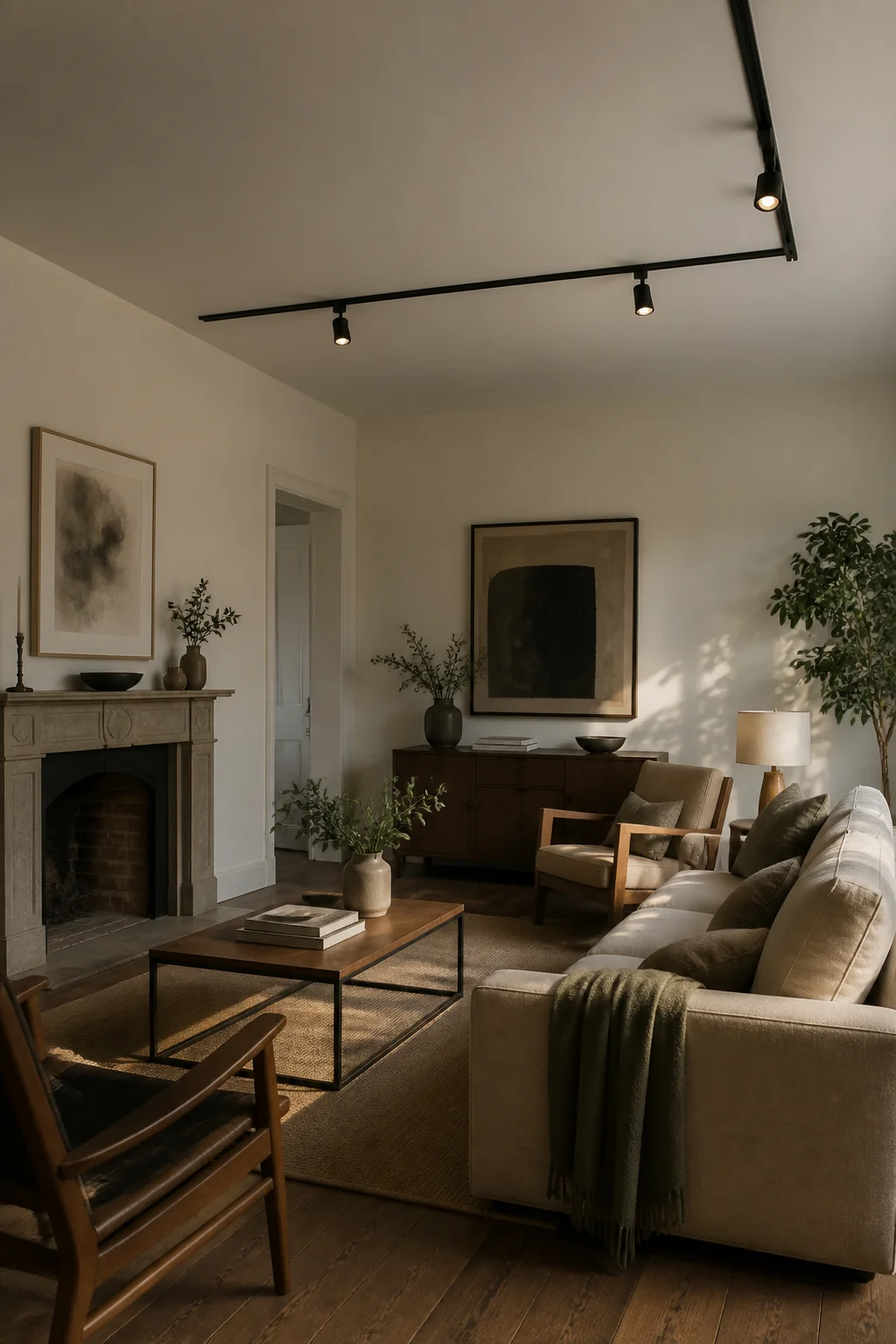
Bad ceiling lighting kills contemporary style instantly. If you have a flush-mount or chandelier, replacing it with track lighting or adjustable spotlights transforms the room. Modern track systems offer flexibility and look intentional rather than decorative. Position tracks parallel to your seating arrangement and angle the lights to show your art, favorite chair, or architectural details. This approach works because contemporary design values light as a design element, not just a utility. Better lighting makes your existing furniture look more intentional and makes the whole room feel more curated.
12. Keep side surfaces almost completely clear
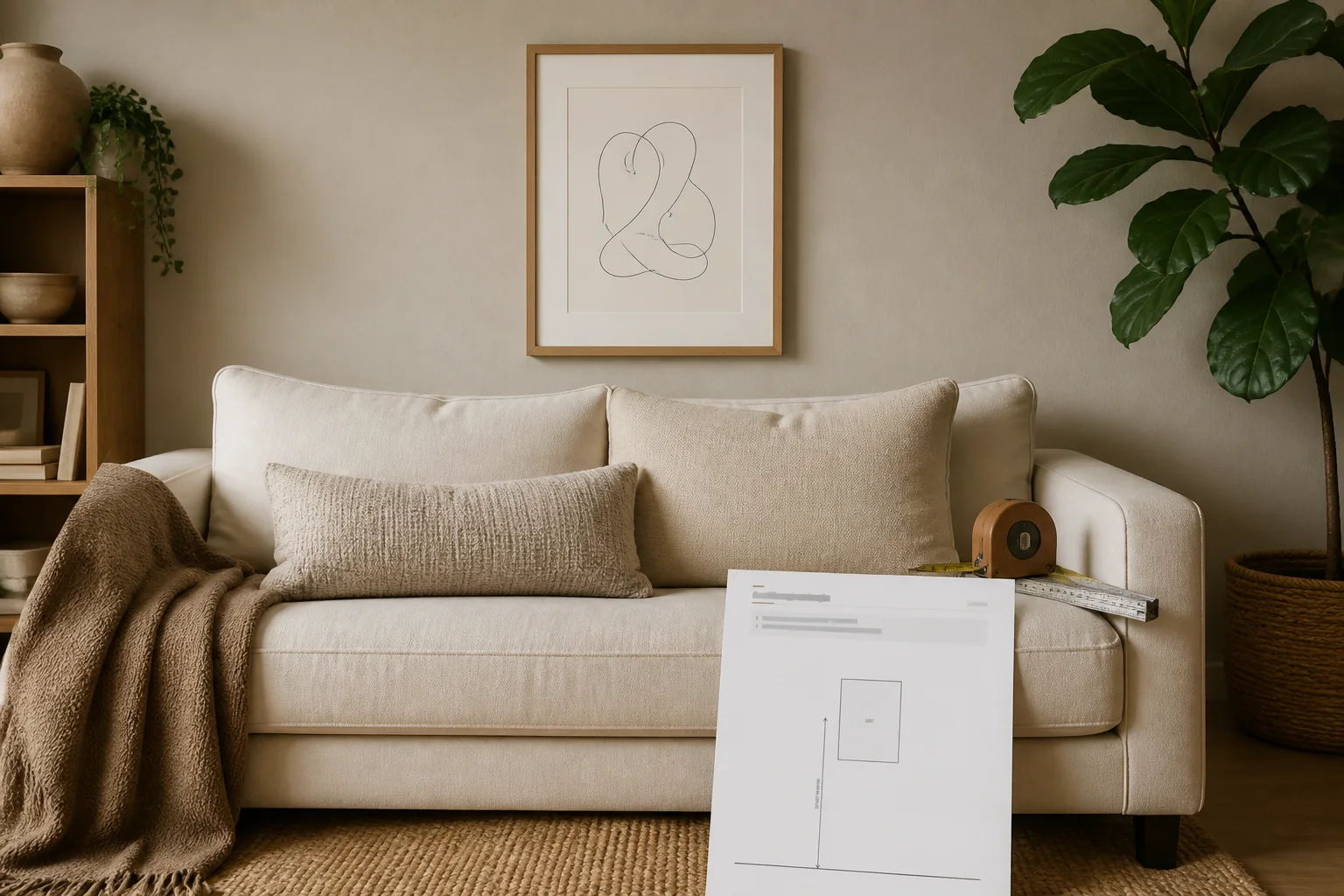
Contemporary style means restraint. If you have side tables, end tables, or consoles, clear them almost entirely. A table lamp. Maybe a book. That's it. No coasters, remotes, candles, or decorative bowls. The emptiness is the design. This works with any existing furniture because you're not changing the pieces themselves - you're creating a clean visual field around them. Clutter makes even new furniture look dated and chaotic. Empty space makes old furniture feel deliberate. (This takes discipline, but it's the cheapest design move you can make, and it fundamentally shifts how your room feels.)
13. Introduce metal and glass elements through new pieces
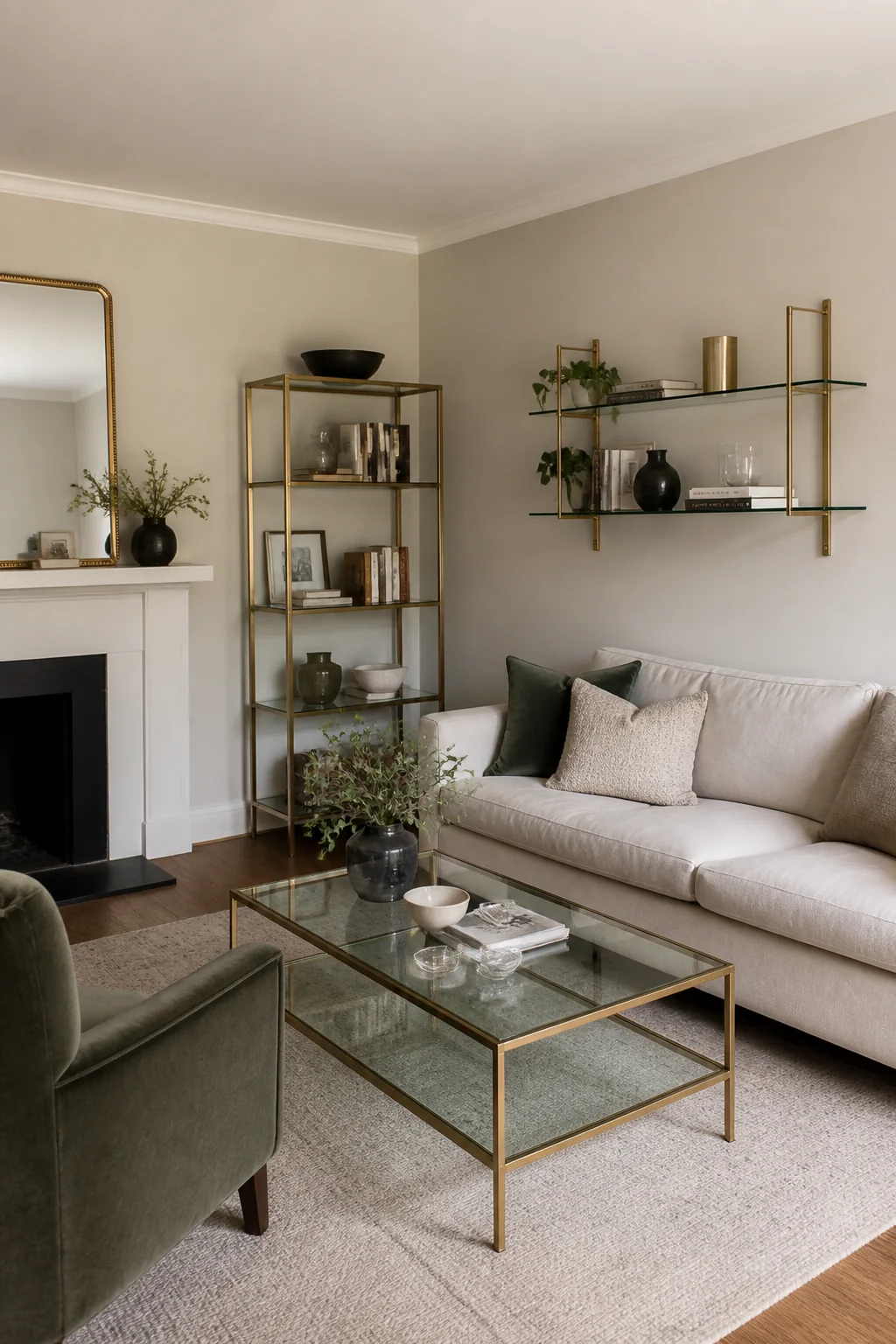
Brass, black metal, or chrome bases on new tables or shelving units add contemporary edge. Glass surfaces - whether a glass top on a metal frame or a glass shelf - create visual lightness. These materials read as contemporary regardless of what other furniture you own. You're not replacing existing pieces; you're adding new ones that feel modern and intentional. The mix of old and new actually strengthens the contemporary look because it shows you're choosing pieces based on their design, not matching a formula.
14. Frame negative space as part of the design
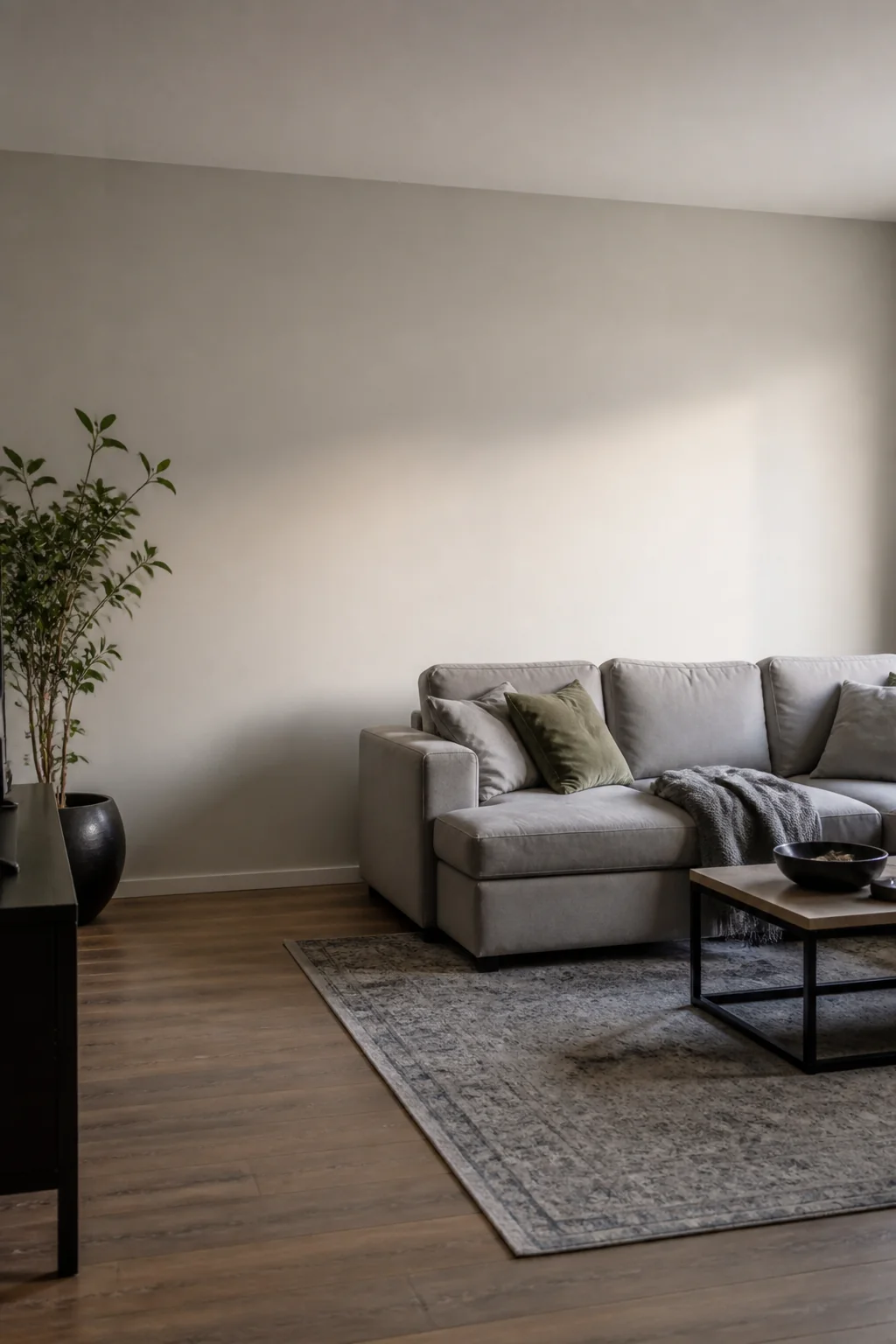
Contemporary living rooms are less decorated, not empty. The spaces between furniture, the blank wall, the empty corner - these are design choices, not failures. Arrange your existing pieces so there's actual walkable space and sightlines across the room. Don't push everything against walls. Pull your sofa out 12 to 18 inches to create breathing room behind it. Leave one corner genuinely empty if it feels right. This approach makes your room feel larger and more intentional because you're respecting the architecture of the space itself. Every piece of furniture earns its place, and the space around it becomes part of the composition. Contemporary style is about clarity and proportion, and proportion includes what's not there.
Keep this guide handy
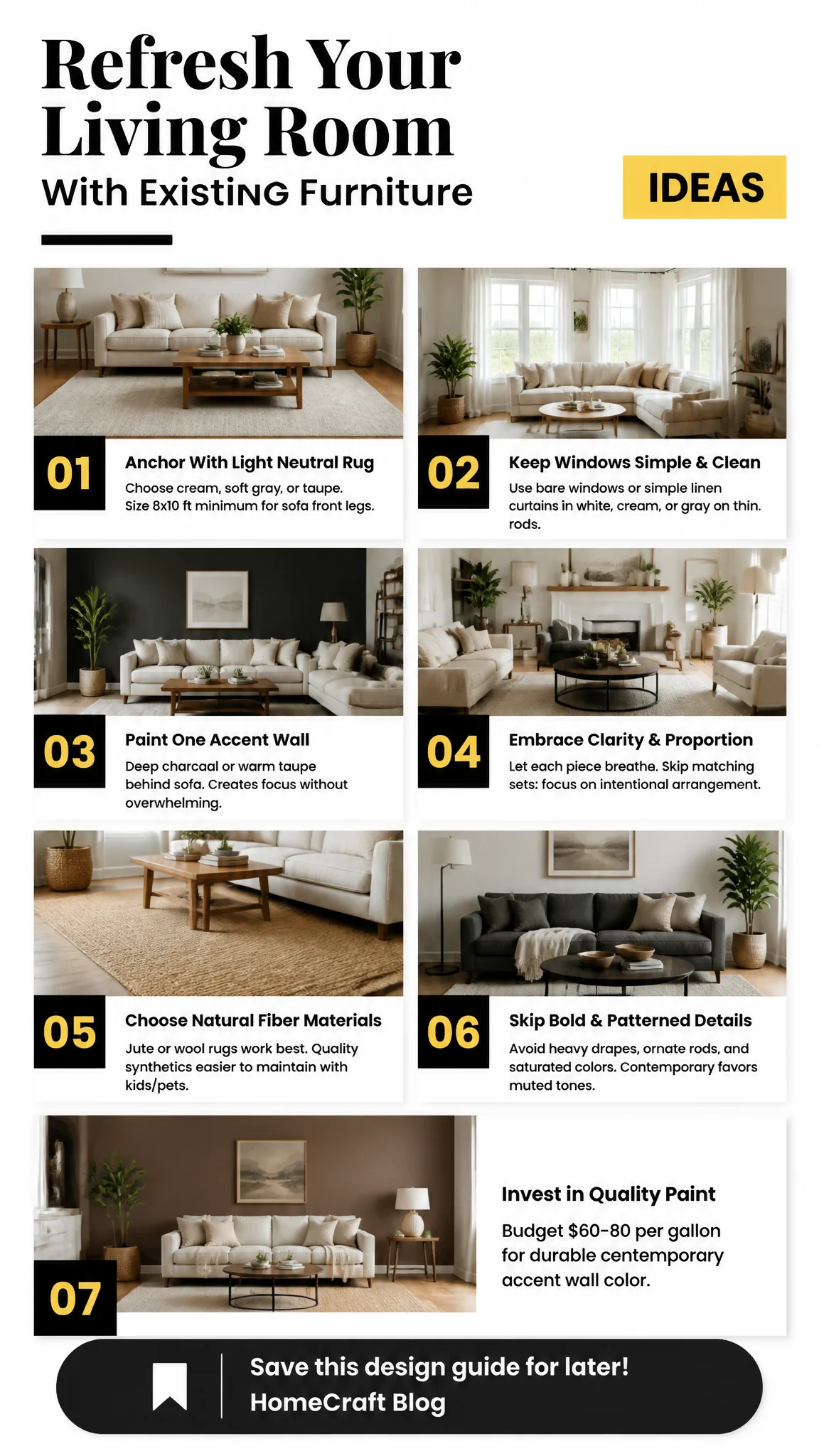
Contemporary living room design asks you to give up decorative abundance and visual busyness. You'll have fewer objects on tables, simpler window treatments, and less patterned fabric. But what you gain is a room that feels intentional, calm, and genuinely pulled together - without replacing a single piece of furniture you already own. The restraint is the style, and that's precisely why it works with whatever you're starting with.
Ideas fade by Friday. A plan finishes the room.
You just read a full guide to your living room. Saving ideas will not change it; a plan will. The Home Decor Collection is every planning tool we make, for every room in the house, in one download, so the after photos below stop being other people's rooms.
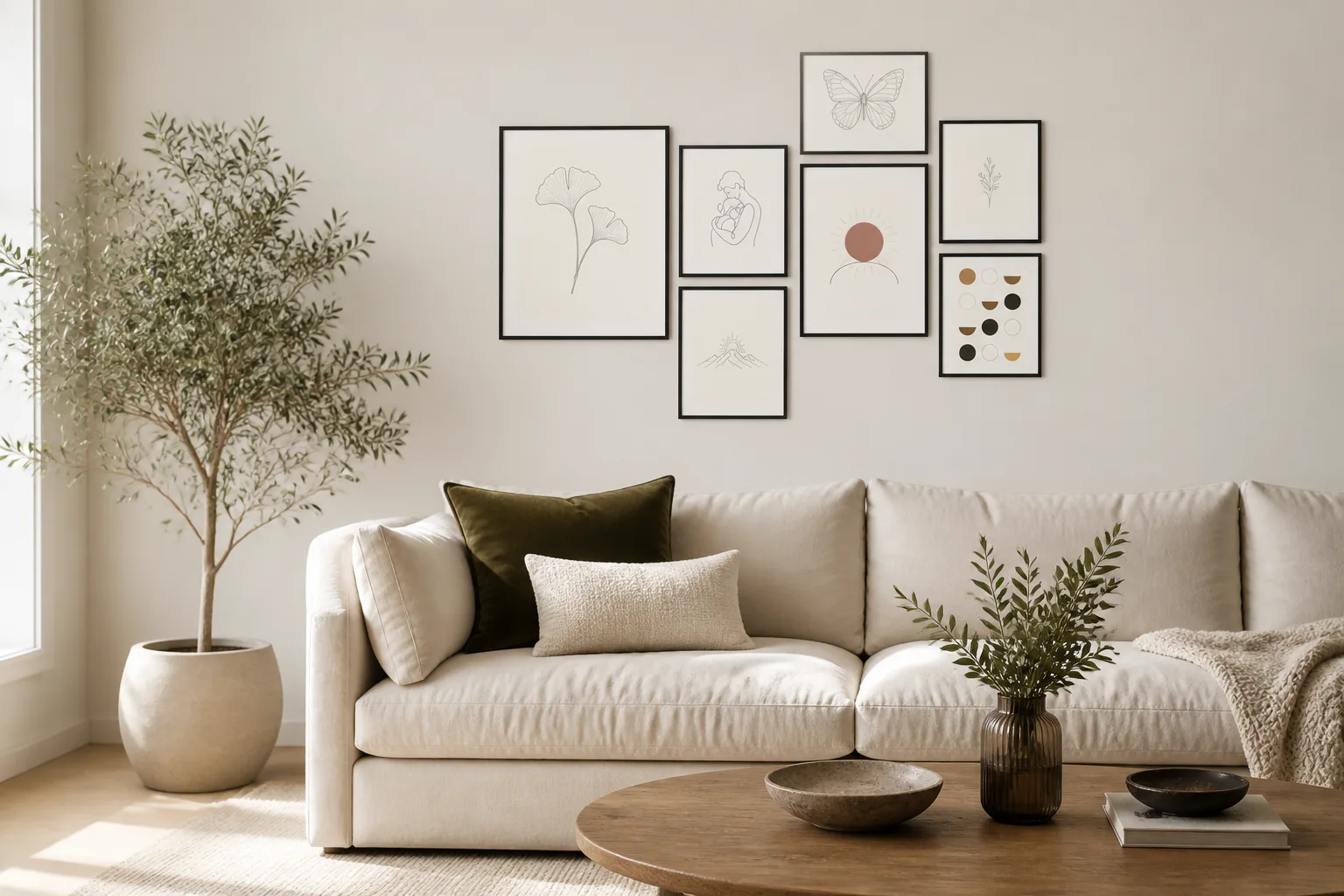
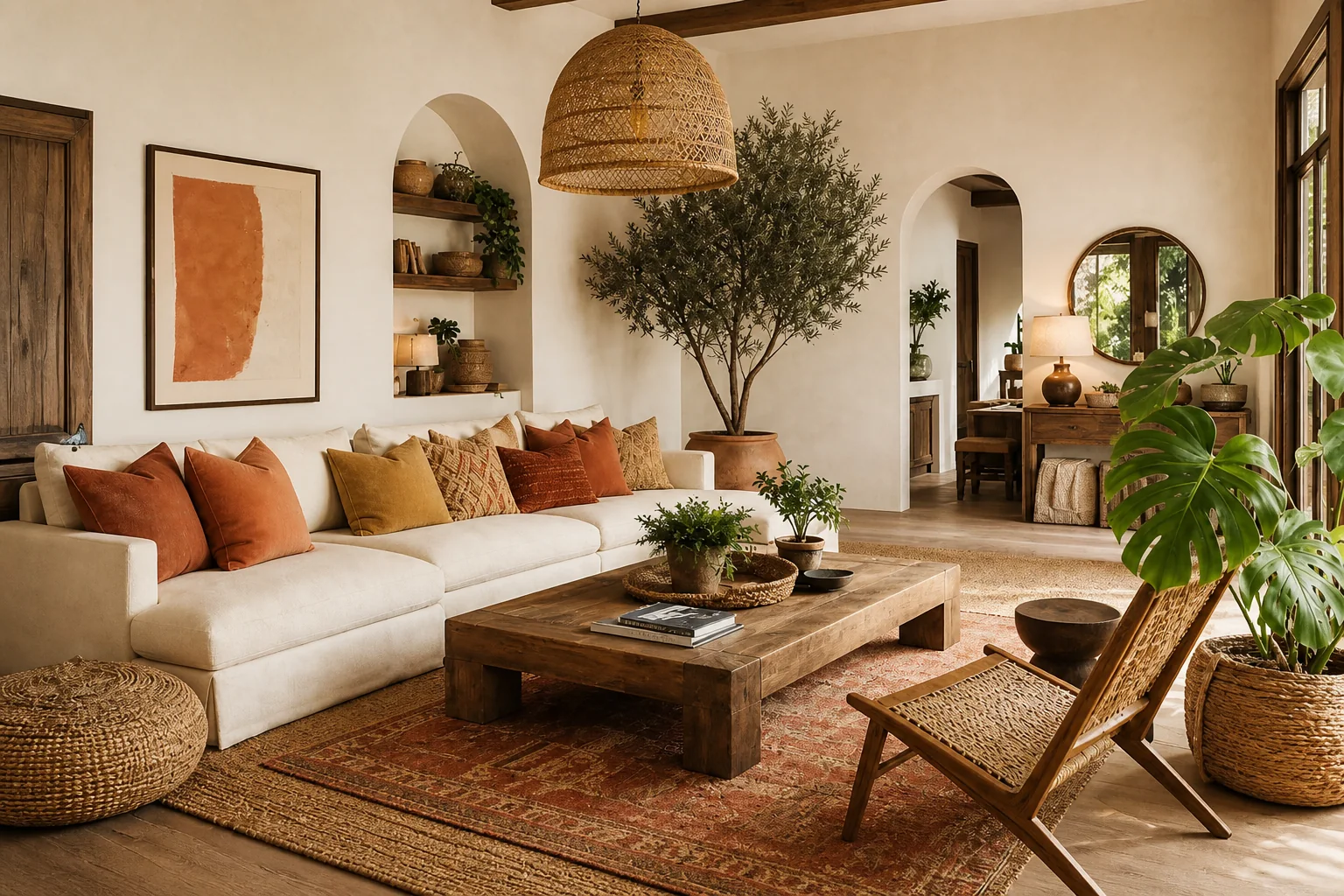
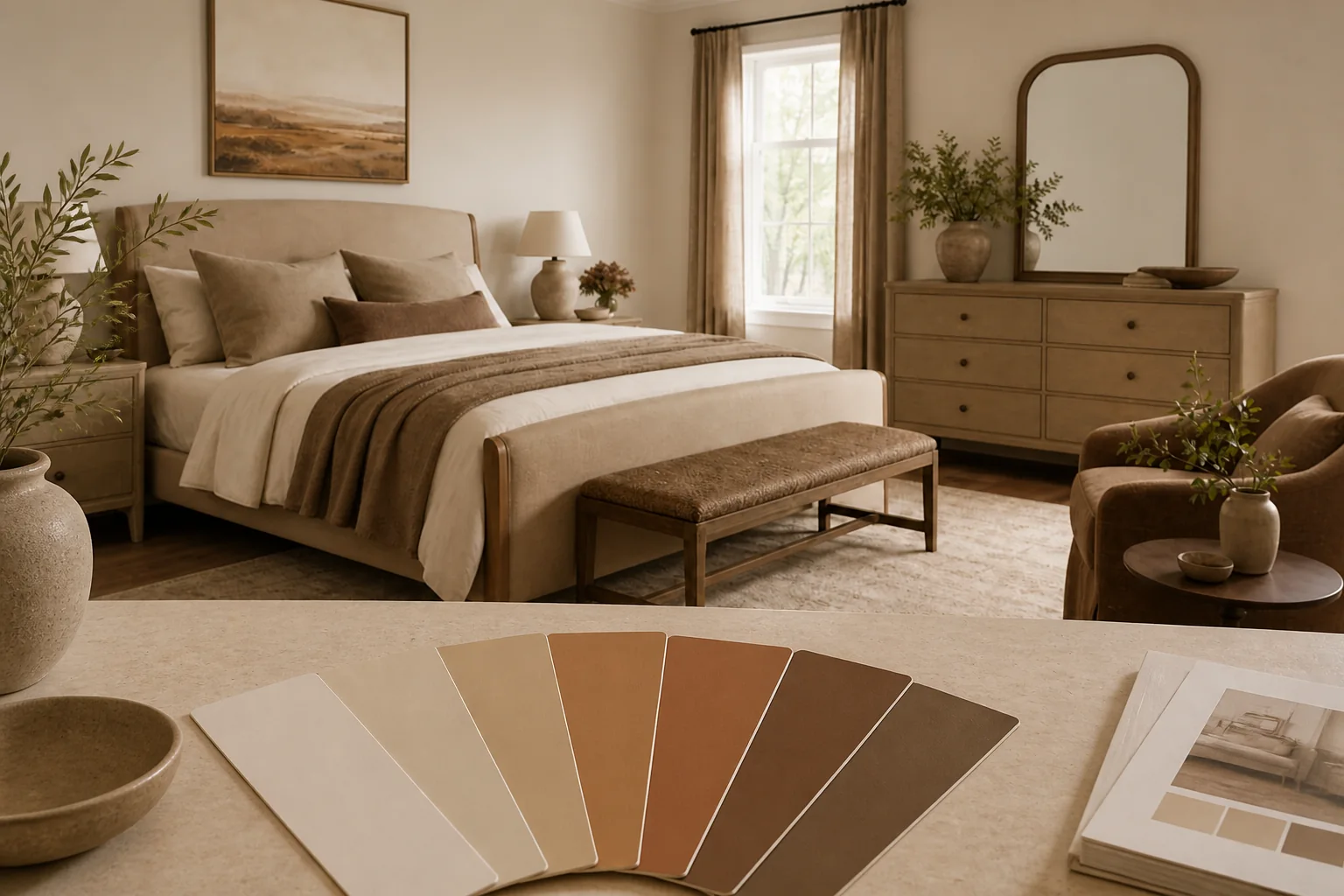
- Six room Style Kits, each with layout, palette and shopping list$114
- The Gallery Wall Studio: 200 prints + 15 measured layouts$29
- The Room Makeover System: 40 solved room layouts + workbook$29
- The Color Palette Handbook: 60 palettes shown in real rooms$19
- The Whole-Home Reset: 40 printable organizing checklists$19
- The Decorator's Cheat Sheets: the 40 measurements that matter$9
- All eleven products, bought separately
$219$97
A single hour with an interior designer costs more than the entire Collection, and this one keeps answering for every room you will ever decorate. Free updates included as the products grow. And if it is not for you, the 14 day money back promise means you simply get a refund.