Get Proportional Dining Room Lighting Without Replacing Your Fixture
Fix your dining room lighting without buying a new fixture. Adjust brightness, shadows, and style to match contemporary design.
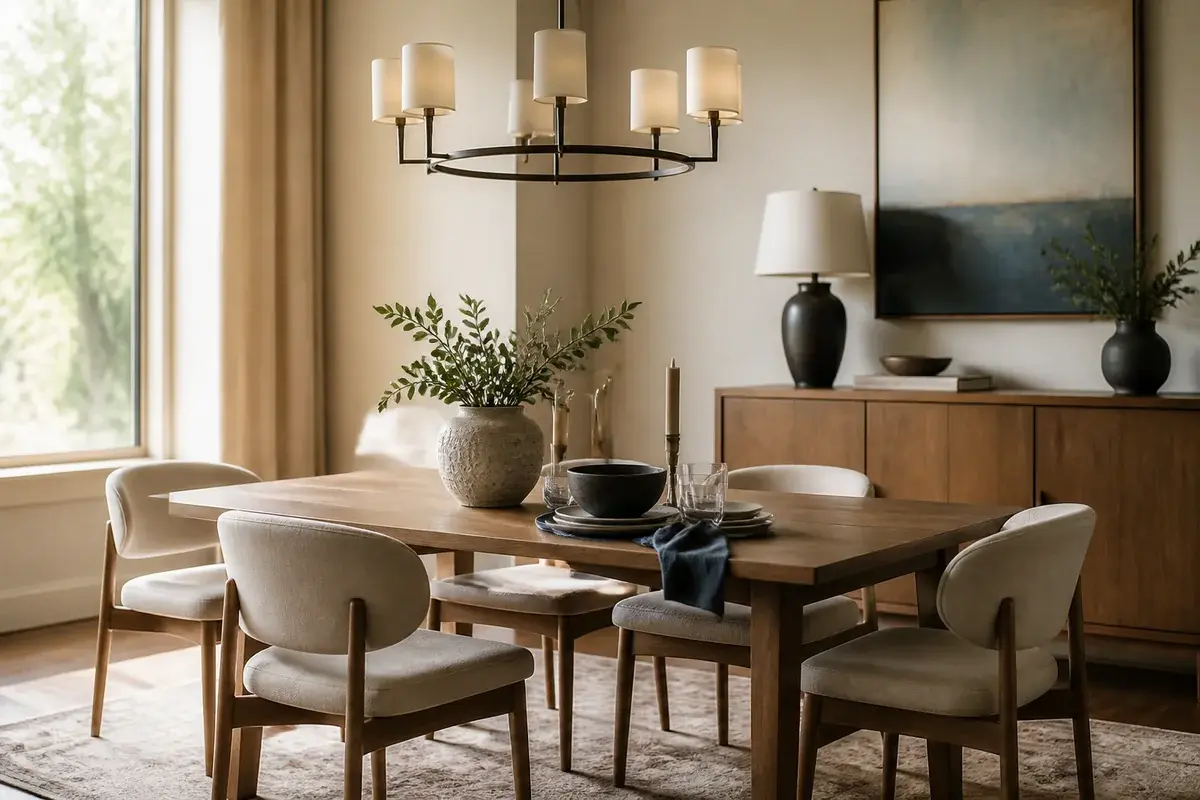
You've got a dining room light fixture that's either too dim, throwing awkward shadows across the table, or just doesn't match the clean, simplified look you're going for. Replacing it feels expensive and wasteful. But the fixture itself might not be the problem. The issue is usually how it's working with your room's size, the bulbs inside it, and where it's positioned. The fix is almost never a new chandelier or pendant. This article will show you what to adjust instead.
Why the fixture isn't always the culprit
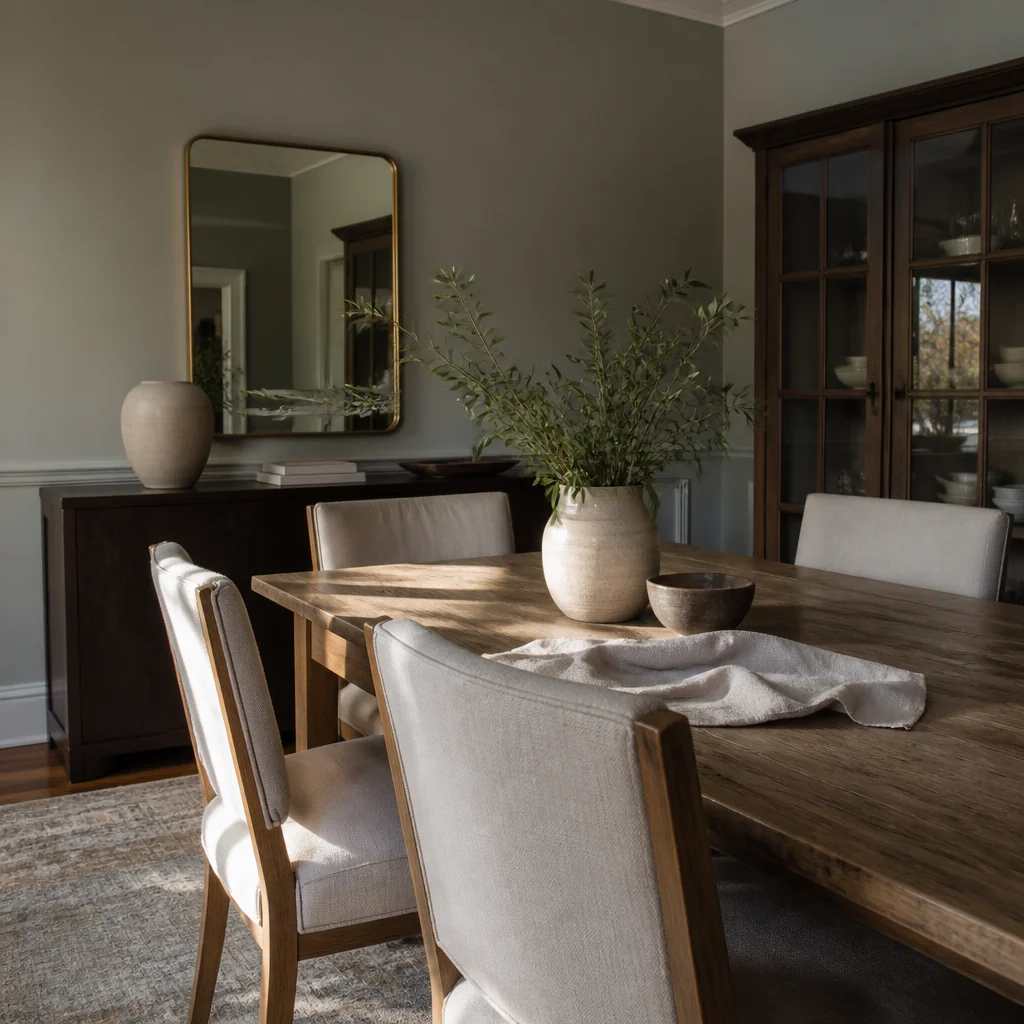
Most dining room lighting problems come down to three things: the brightness of the bulbs you're using, where that brightness is actually landing, and whether the fixture's style is fighting against what's already in your room. A too-dark fixture might just have dim or mismatched bulbs. A fixture that looks dated could be wrong because of its color temperature, not its shape.
Before you order anything new, check what you actually have. Look at the wattage equivalency on your current bulbs (you're looking for the "60W" or "75W" number, not the actual watts). Are they all the same brightness? Many fixtures end up with mismatched bulbs—one 40W-equivalent bulb on one side and nothing on the other—and the uneven light gets blamed on the fixture itself.
Brightness matters more than you'd think
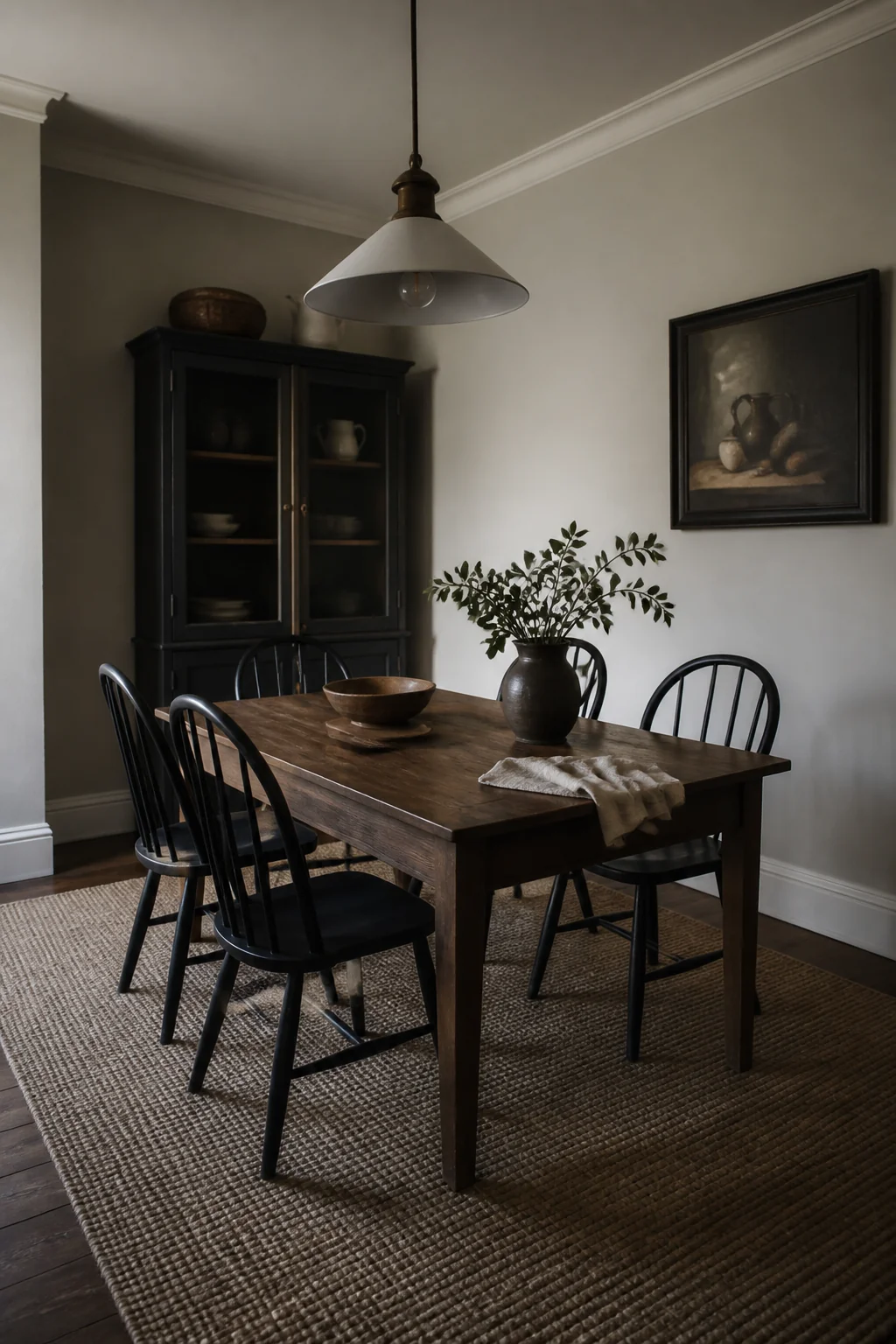
The bulbs you choose do the real work here. A 60W-equivalent LED bulb in a modern fixture will feel contemporary and clean. That same fixture with a 40W-equivalent bulb will feel dim and older, even if everything else is current.
For a dining table, you want enough light to read a menu or see what you're eating. Aim for 300-400 lumens per bulb if you have a three-bulb fixture, or 400-500 lumens if you have a single pendant (yes, you can get single pendants that bright). You don't need blinding overhead light, but you need enough that shadows aren't pooling across the table at 7pm.
There's a common mistake here: people buy warm-color bulbs (2700K) thinking they'll feel cozy, then complain the room feels dark. Warm bulbs do feel cozy, but they're also dimmer to your eye than the same brightness in a neutral white. If your contemporary dining room lighting includes cool grays or white walls, staying in the 2700-3000K range is fine, but bump the brightness up. (If you have yellow walls, warm is your friend, but you can still go brighter than you think.)
Check your bulb color temperature match
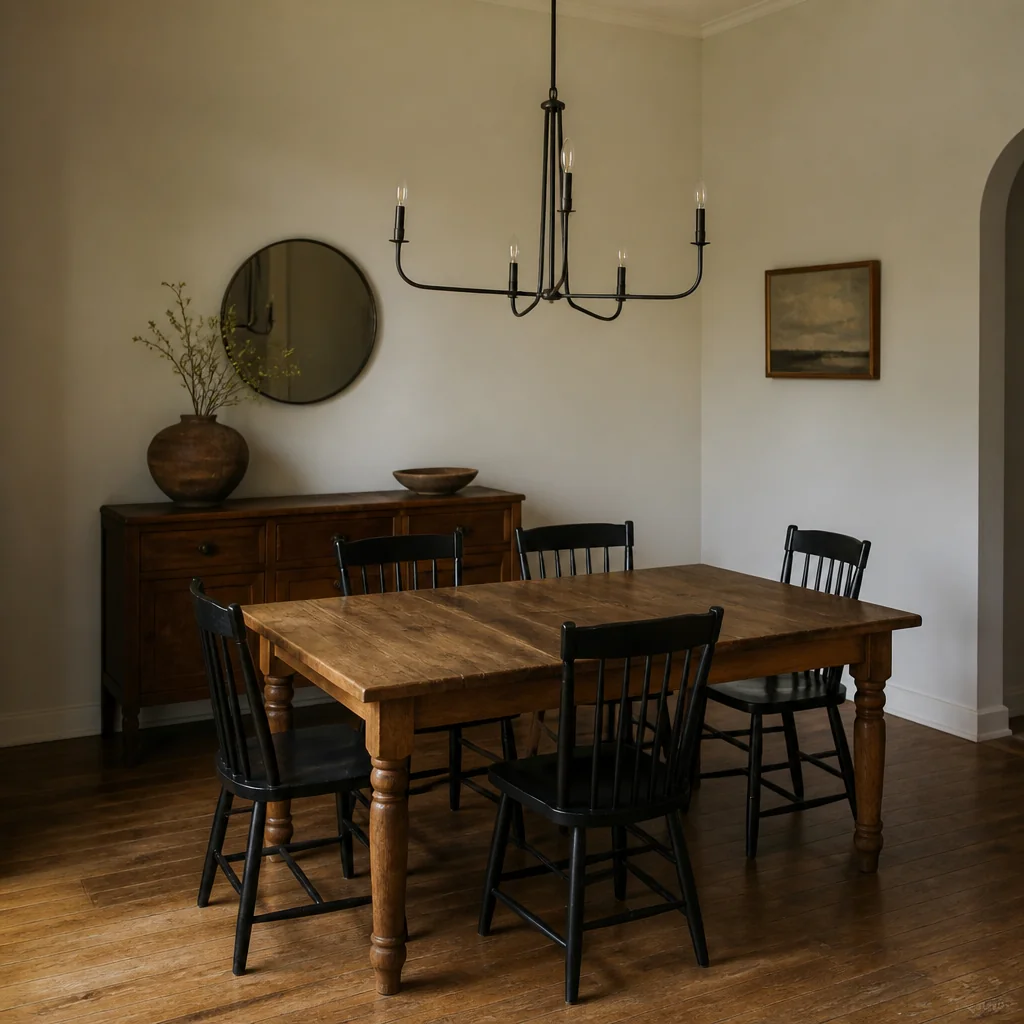
Every bulb in that fixture should be the same color temperature. Period.
If you've got 2700K in one socket and 3000K in another (or worse, one old warm bulb and one new cool one), your light won't blend. It'll look splotchy and off, no matter what the fixture cost. It's one of those details people don't notice consciously but feel as "something's wrong here."
Go through and replace all your dining room bulbs with the same spec at the same time. Write down what you bought so you can replace them with the exact same thing later.
The size-to-brightness ratio matters
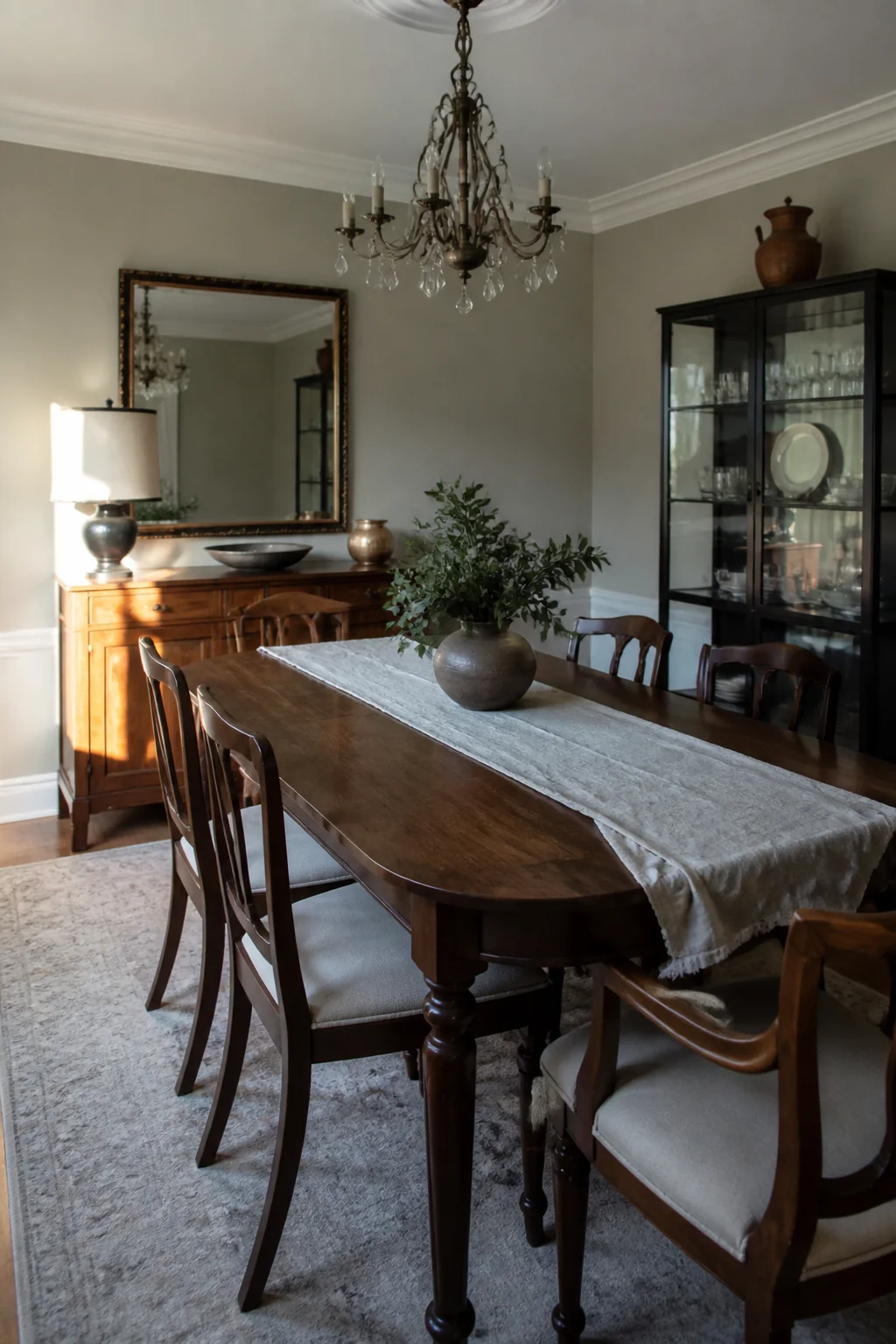
A chandelier that's technically the right size for your ceiling might still be wrong if it's too dim for the room. Contemporary dining room lighting tends toward cleaner, more minimal designs, and some of those fixtures look great but don't push much light downward because they're designed to be subtle.
If your fixture is 18 inches across and hangs over an 8-foot dining table, that's proportionally correct. But if it only has three 40W-equivalent bulbs in it, you're losing out. Switching to 75W-equivalent LED bulbs (or even 100W-equivalent, if the fixture will handle it) won't change the look one bit. It just fills the room with the light you actually need.
Position matters more than you realize
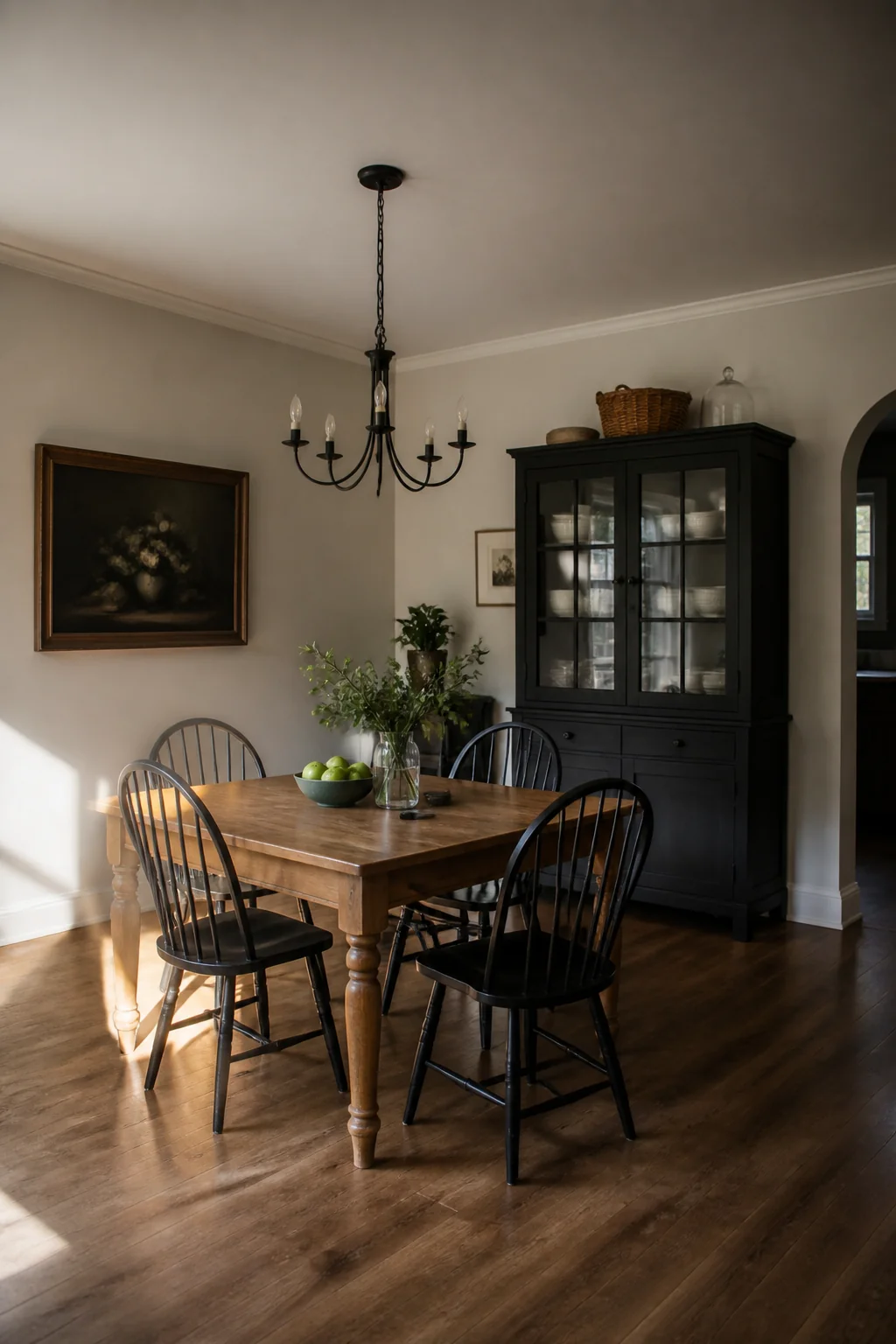
Where your fixture hangs changes the effect. The standard height is about 30-36 inches above your tabletop. Too high and the light spreads too much, landing on your ceiling instead of your table. Too low and you get a spotlight effect with dark corners (plus it's in your line of sight when you're sitting).
If your fixture is too high, you can't fix that without rewiring or shortening the chain. But you can partly make up for it with brighter bulbs. If it's too low, you might just need slightly dimmer bulbs, or you need to accept it's meant to feel intimate and close.
The other position issue: not centered over the table. If your fixture is off to one side because that's where the ceiling box happens to be, you're fighting an uphill battle. Contemporary lighting actually looks better dead-center. If it's genuinely off-center, that's a wiring problem, not a bulb problem, and it's worth the cost to move it.
Dimmers change the whole equation
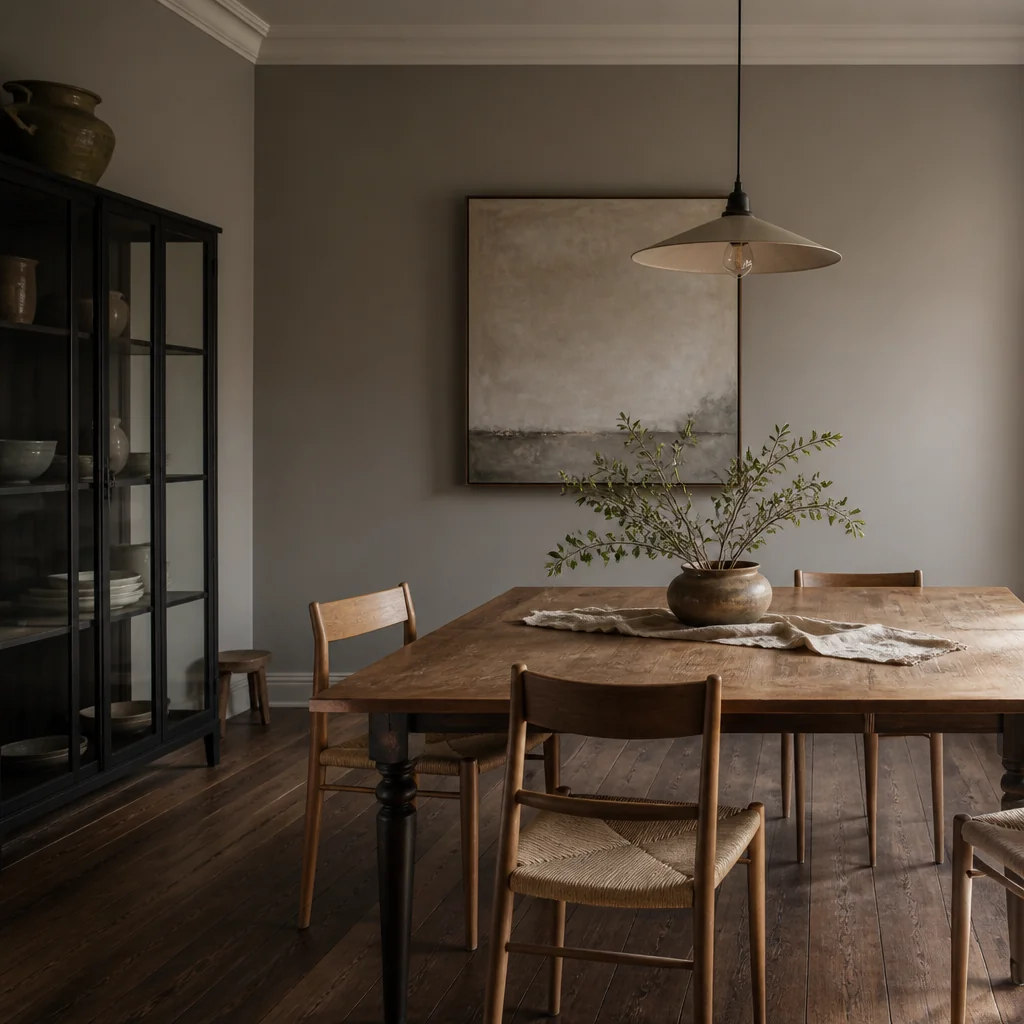
A dimmer lets you set the light to the mood you want. And here's what people don't realize: dimmers let you go brighter in the first place, because you can dial it down to cozy when you need it.
Without a dimmer, you're stuck picking one brightness level and living with it every night. You'd probably pick something in the middle so it works for both dinner and doing the bills. With a dimmer, you can run at full brightness for everyday tasks and drop to 50% brightness for entertaining. (Make sure your bulbs are dimmable. Check the package before you buy.)
If you don't have a dimmer switch, adding one is a simple swap. Any electrician can do it in 30 minutes. It'll cost about $150-300 total, plus the dimmer switch itself (about $40-80).
Combining multiple adjustments
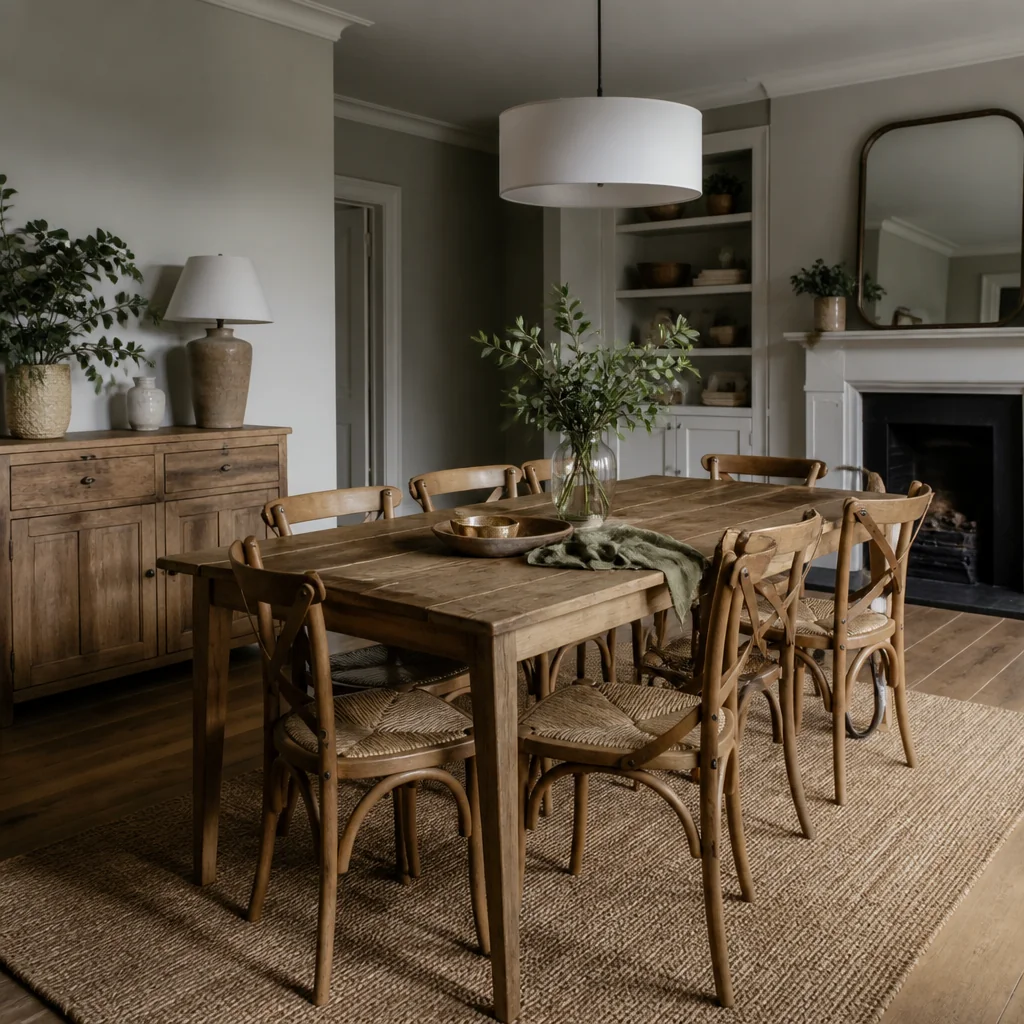
You might need two or three of these things, not just one. Say your fixture is the right size and positioned well, but it's too dim and the bulbs are mismatched. You'd buy new bulbs at the same color temp and up the wattage. That's it.
Or maybe the fixture is slightly too high and too dim. You'd brighten the bulbs and possibly add a dimmer so it feels right in all situations. You're not replacing anything.
The most expensive fix would be moving the fixture if it's dangerously off-center, or completely rewiring for a dimmer if you don't have the infrastructure. Even then, you're talking about the fixture itself being fine. What you're fixing is how it performs in your space.
How contemporary dining room lighting comes together
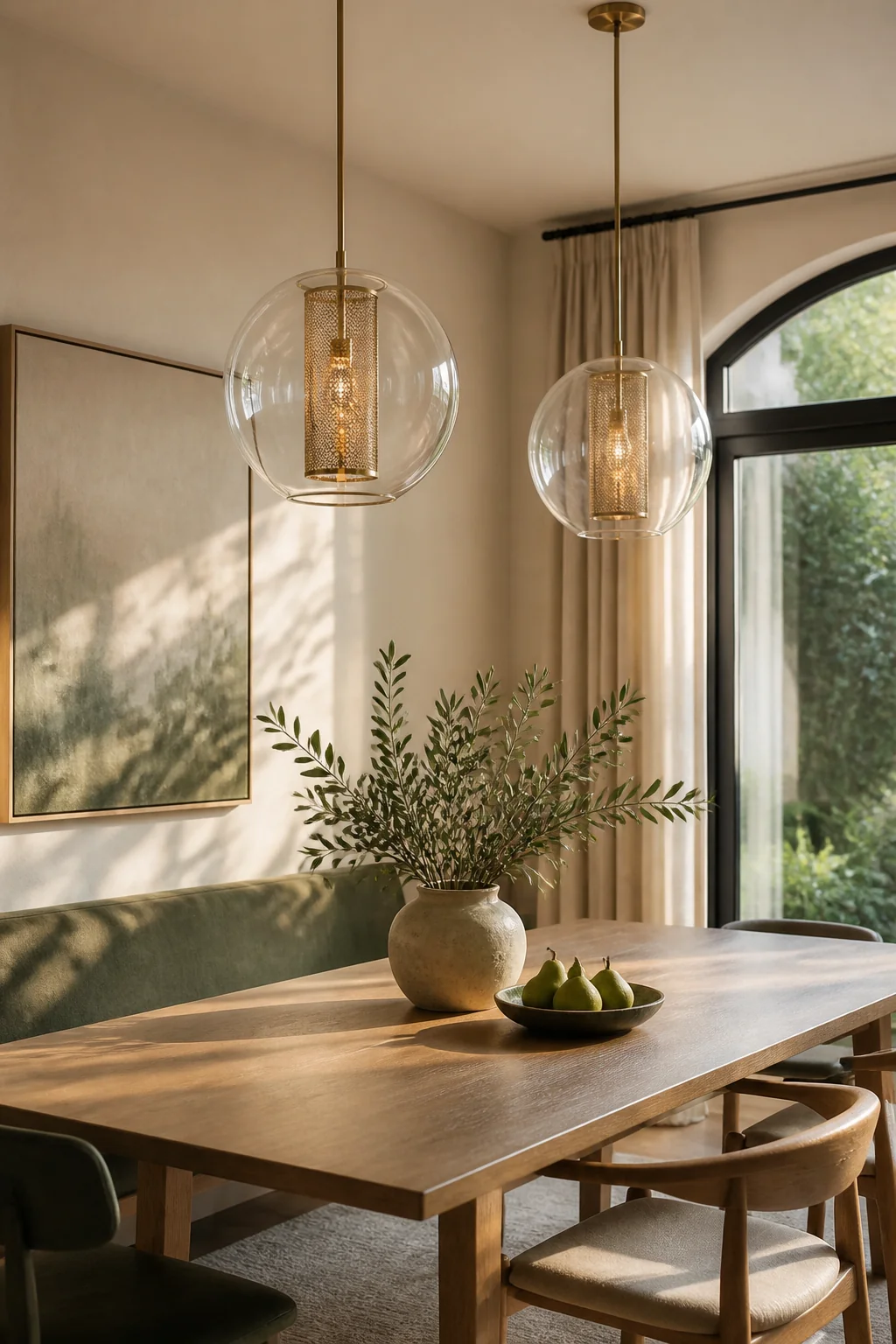
Take the guide with you
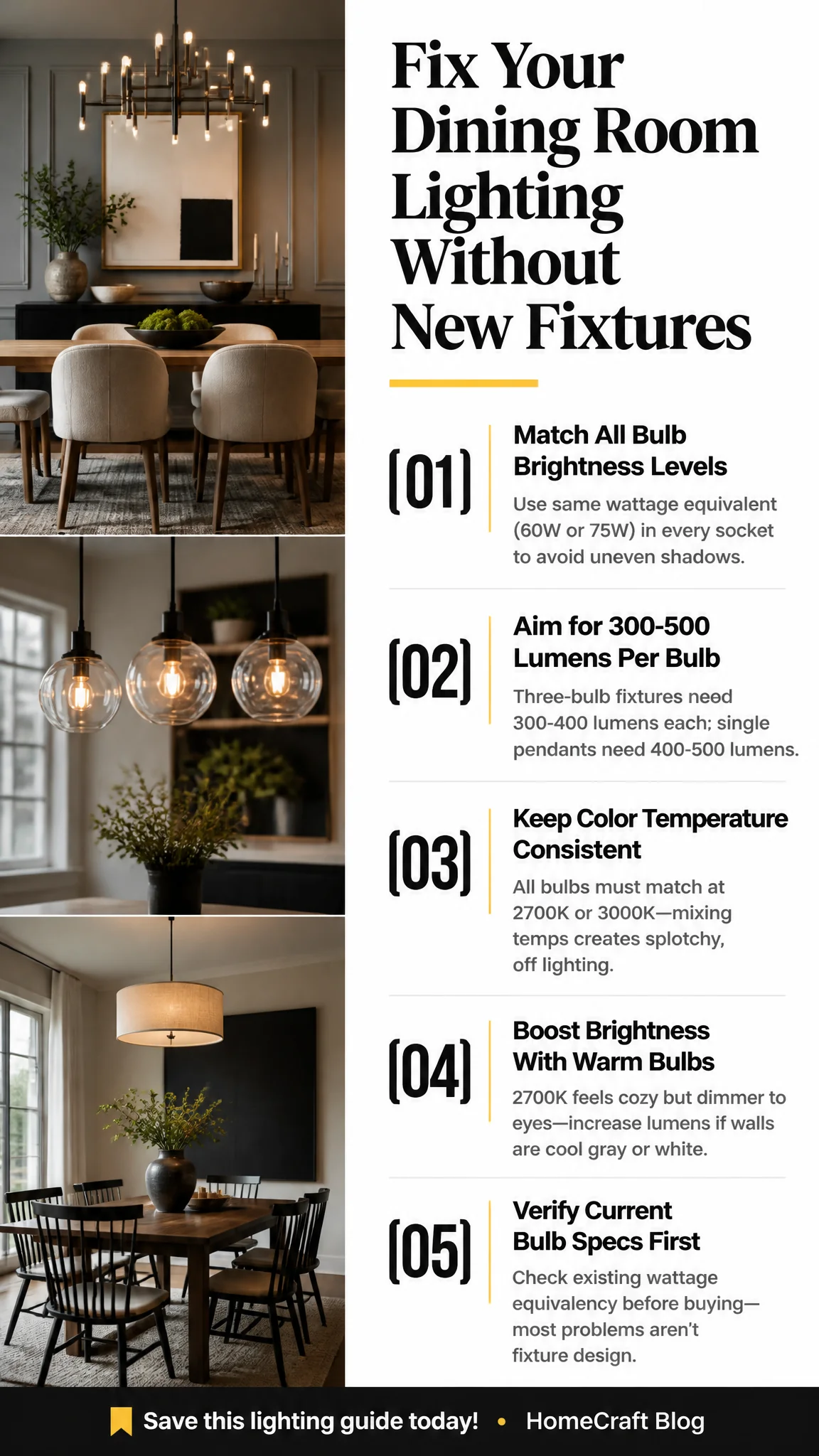
Most dining rooms look best with clear, daylight-neutral bulbs (3000-3500K) at good brightness and a dimmer for flexibility. The fixture style matters less than you'd think. What matters is that light lands on your table in even amounts, at a brightness that lets you see and feel the room come alive. The mistake most people make is switching fixtures when they should switch bulbs. Bulbs are $20 for a set of three. A fixture is $200-600. The evidence suggests that many lighting complaints stem from mismatched or dim bulbs rather than poor fixture design, yet people rarely check their existing setup before ordering replacements.
Ideas fade by Friday. A plan finishes the room.
You just read a full guide to your kitchen. Saving ideas will not change it; a plan will. The Home Decor Collection is every planning tool we make, for every room in the house, in one download, so the after photos below stop being other people's rooms.

- Six room Style Kits, each with layout, palette and shopping list$114
- The Gallery Wall Studio: 200 prints + 15 measured layouts$29
- The Room Makeover System: 40 solved room layouts + workbook$29
- The Color Palette Handbook: 60 palettes shown in real rooms$19
- The Whole-Home Reset: 40 printable organizing checklists$19
- The Decorator's Cheat Sheets: the 40 measurements that matter$9
- All eleven products, bought separately
$219$97
A single hour with an interior designer costs more than the entire Collection, and this one keeps answering for every room you will ever decorate. Free updates included as the products grow. And if it is not for you, the 14 day money back promise means you simply get a refund.