How to Create a Bedroom That Feels Like Yours (Young Adult Edition)
Bedroom ideas for young adult women that actually work: color, lighting, and storage tips to create a space you'll love living in.
This post contains affiliate links. As an Amazon Associate I earn from qualifying purchases. If you buy through our links, we may earn a commission at no extra cost to you.
You can walk into a bedroom that isn't working and feel it before you can name it. The furniture and the color are fine on their own, but nothing adds up, because every piece arrived separately, on sale, with no plan behind it. That's how a first apartment or a grown-out-of childhood room normally accumulates, and you can fix it without starting over or spending thousands. What follows is the order worth working in: color, then light, then storage, then walls, then the bed itself, and last the slow part where your own taste finally shows up. The goal is a room you're glad to close the door on and stay in, whether or not it ever photographs well.
Color Matters More Than You Think
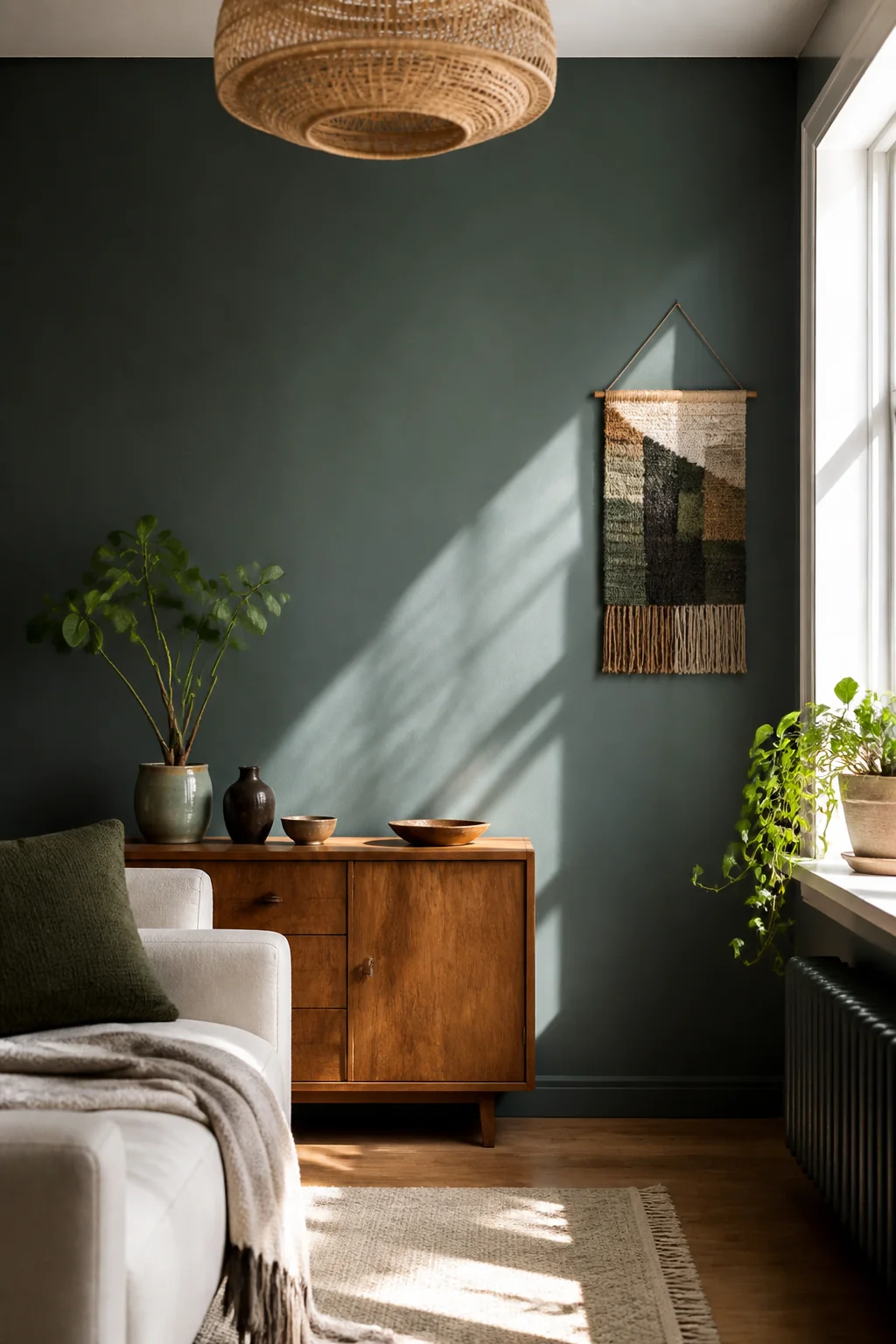
Wall color touches every square foot of the room, which is why a shade you feel nothing about leaves the whole space reading as unfinished. Test before you commit. A sample pot runs about $6 to $9, and a 12 by 12 inch patch brushed straight onto the wall tells you far more than a paper chip does, because you get to see it at 7am and again under a lamp at 10pm.
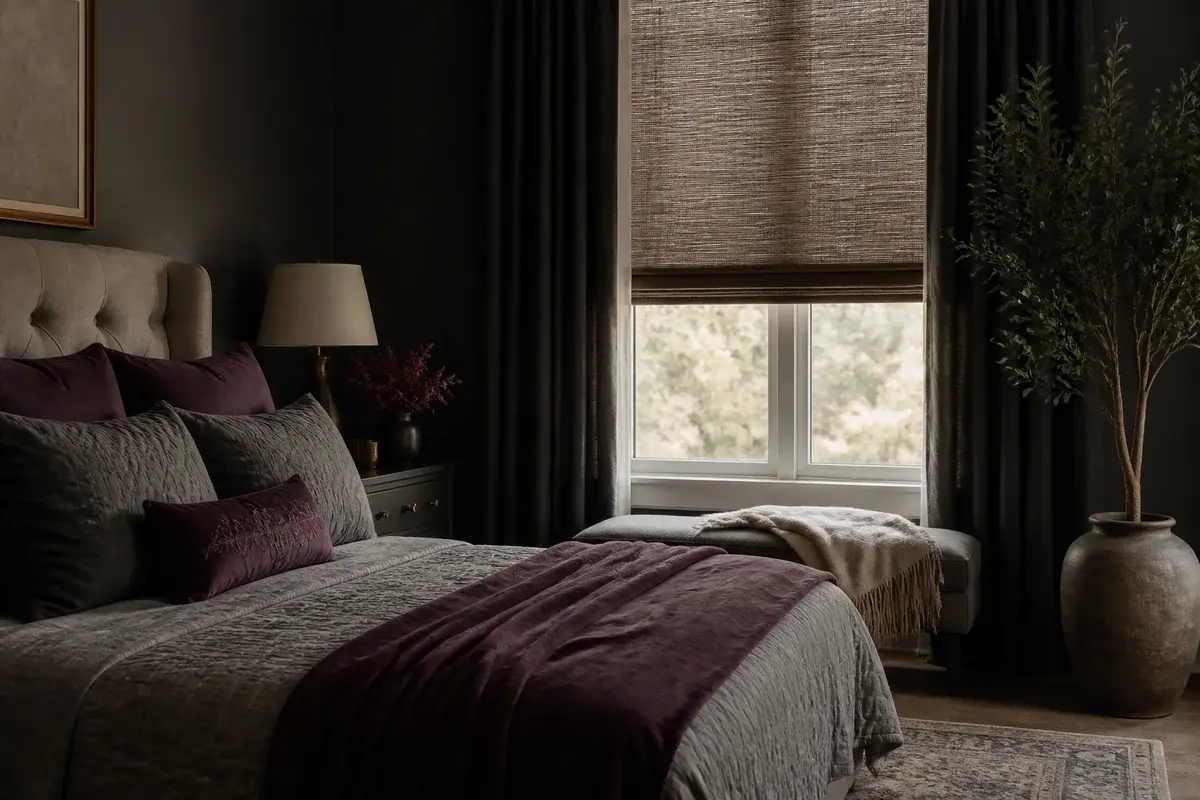
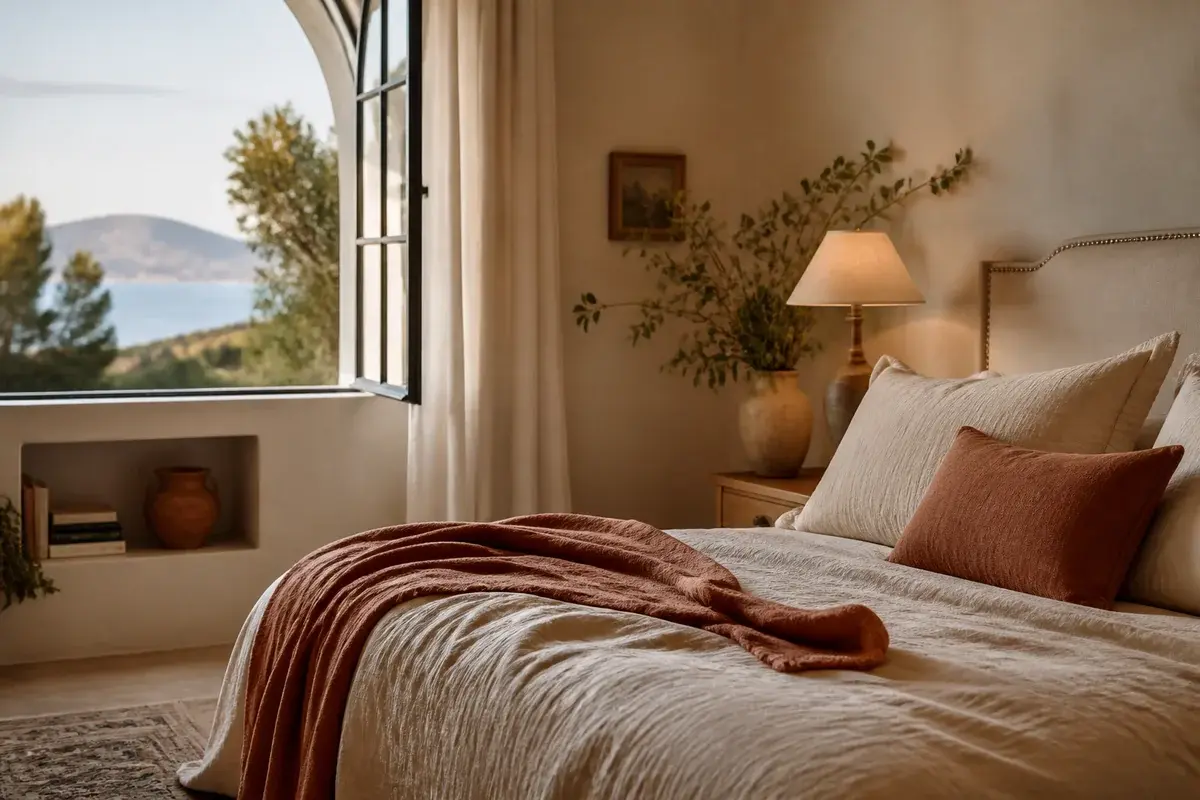
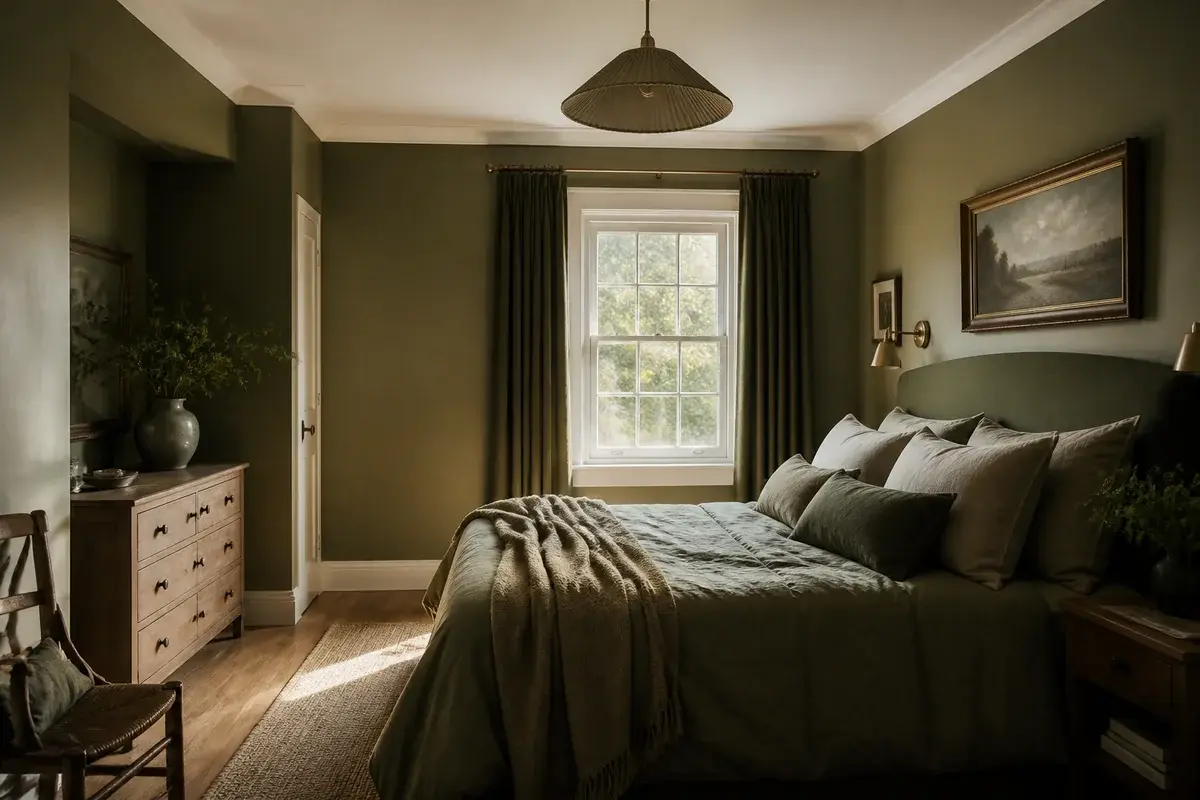
Pick a color that makes you happy to wake up to, not the one that looks best under showroom fluorescents. One accent wall is the cheapest way in: a 10 by 8 foot wall takes roughly a quart, about $18 to $30, plus an evening with tape and a cleanup. Warm terracotta, muted clay and deep olive hold their warmth under lamplight, while cool grays tend to go flat and slightly grim after dark.
The conventional approach is one dominant color on the walls, a second repeated in bedding and curtains, and a third in small doses like a lampshade or a throw. If the whole room needs to shift, paint all four walls instead of one. Regretting it costs another quart and another evening, which is the cheapest mistake in this article.
Lighting Is Usually the Real Problem
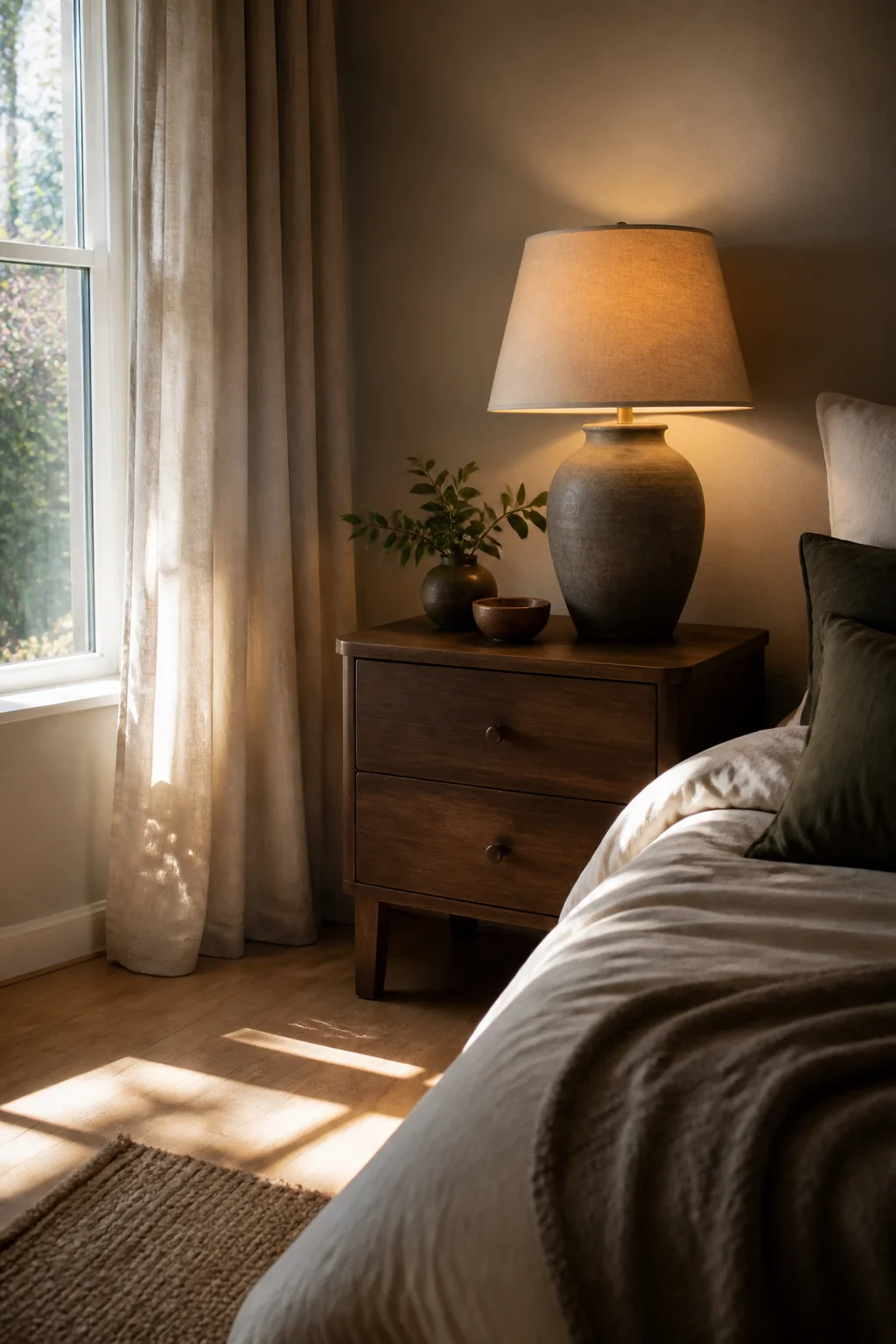
One ceiling fixture doing all the work is what makes a room read like a dorm. Light falling from a single point flattens everything it lands on and drops hard shadows under your eyes at the mirror. Three sources fix it, and none of them are expensive.
Start at the bed. A table lamp whose shade sits somewhere around 20 to 26 inches above the mattress puts light on your book instead of in your face, and ceramic or metal bases in the $30 to $45 range are easy to find. Then add a floor lamp in the corner you sit in, usually $50 to $80, ideally one that throws some light up at the ceiling to soften the room.
Bulb temperature matters as much as the fixture. Look for 2700K on the box for lamps, and skip anything above 4000K unless you like the office feeling at bedtime. String lights and LED strips belong somewhere in the stack, but never as the main source: they're charming at low output and useless for folding laundry or finding a lost earring.
Storage Doesn't Have to Look Boring
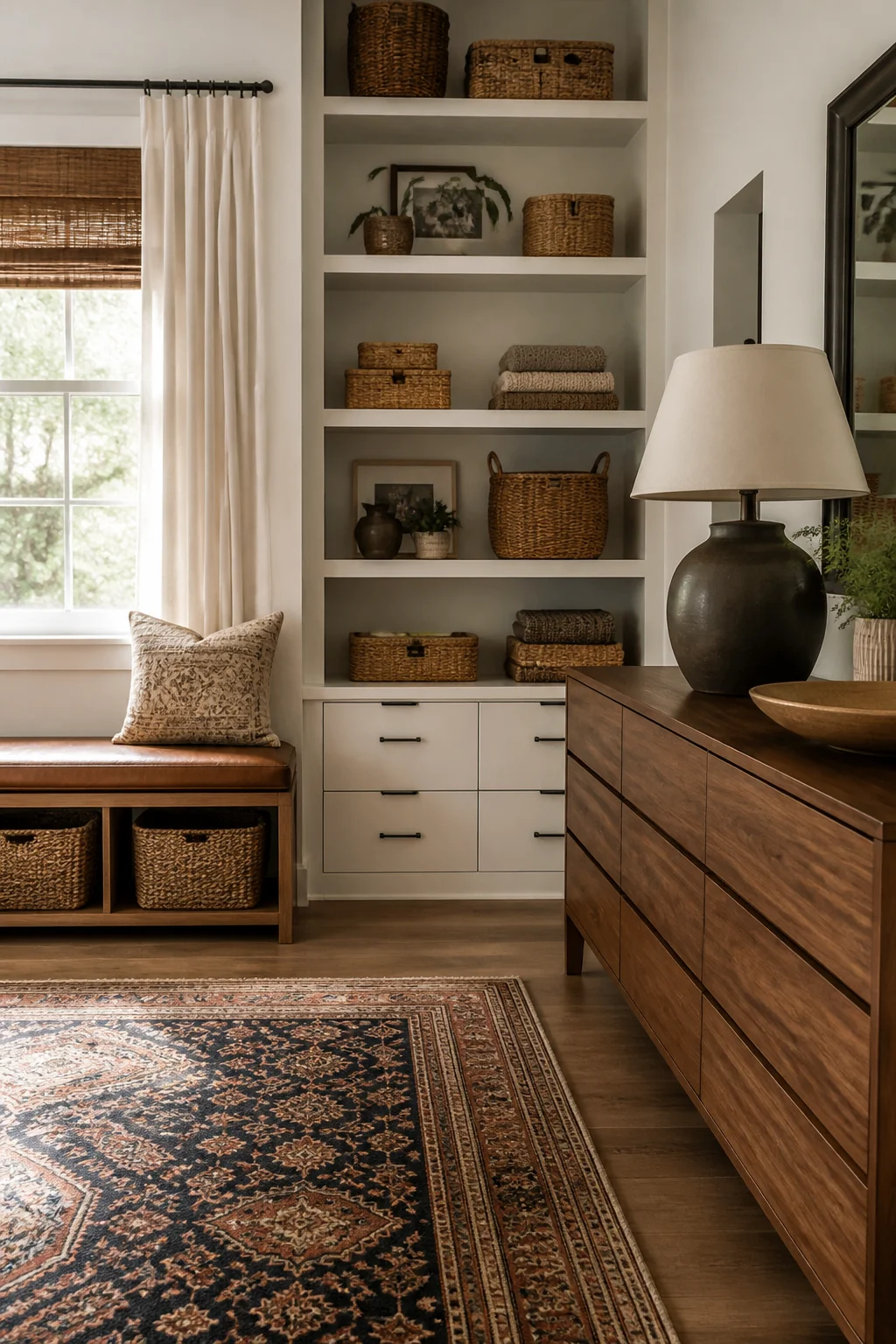
Storage fails the moment it looks like storage. What you want is furniture that holds things and still earns its place in the room, which in practice means wood, drawers, and a flat top you can put a lamp on.
A secondhand dresser is the workhorse. Solid wood runs about $80 to $200 on Facebook Marketplace, against $250 and up for new particleboard that will sag under folded denim within a year. Check that the drawers ride on wooden runners or metal slides and that the back panel isn't stapled cardboard. Secondhand dressers rarely come with an anti-tip kit, and one screwed into a stud for about $10 stops an open drawer from pulling the whole piece over (CPSC's Anchor It). A bench at the foot of the bed swallows spare bedding and gives you somewhere to sit to put shoes on, but leave at least 24 inches of walking space between it and whatever it faces or you'll catch your shins on it nightly.
Under the bed is free square footage. Measure the frame clearance first, since beds usually sit 7 to 13 inches off the floor and flat rolling boxes need around 6. Clear bins beat opaque ones, because a box you can't see into is a box you never open. The failure mode here is buying pretty containers, filling them past closing, and calling that organized.
What You Put on Your Walls Sets the Tone
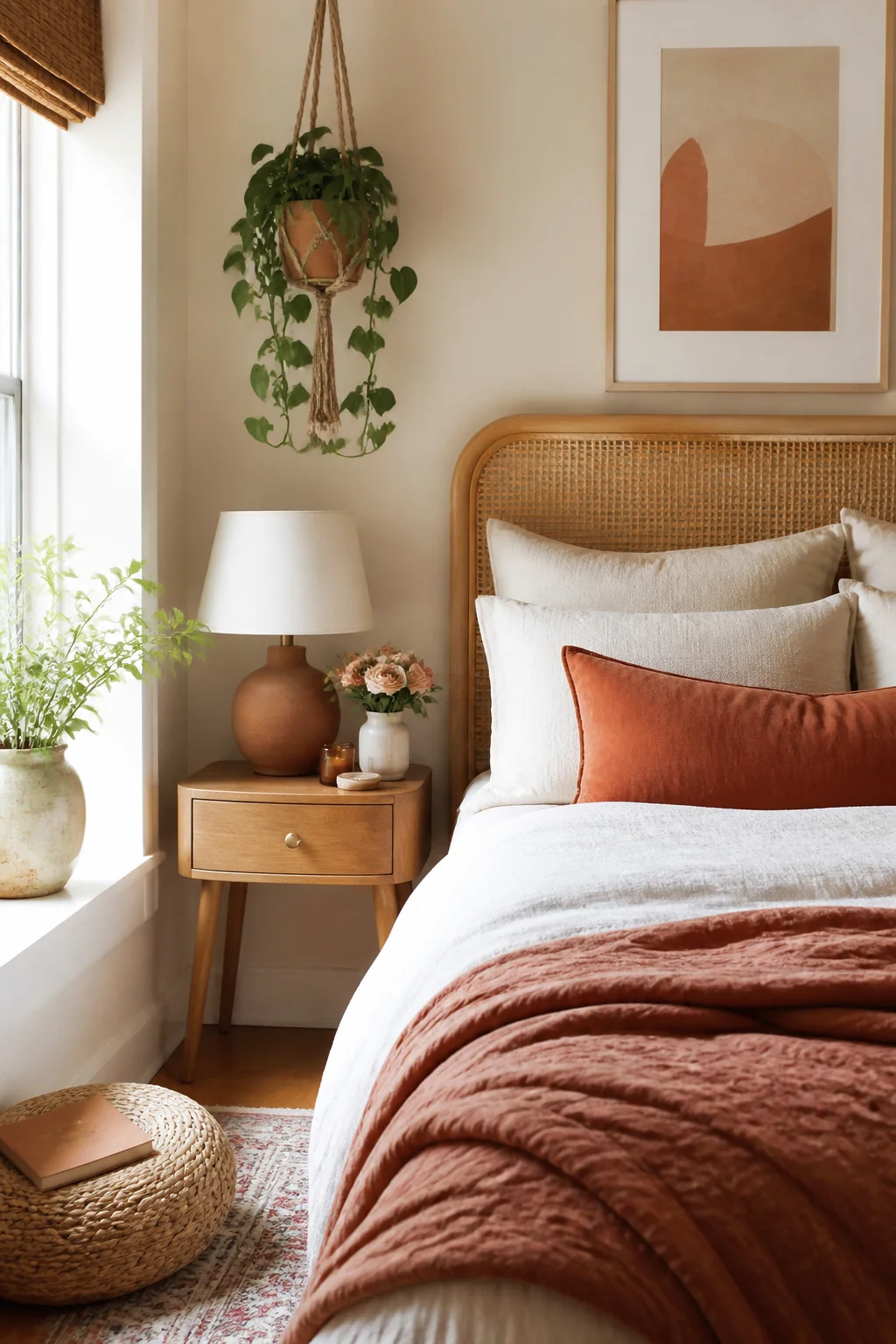
Bare walls read as temporary. So do twenty small frames scattered at different heights, which is what happens when art gets bought one clearance piece at a time. The reliable move is one large piece or one deliberate grouping, hung at the right height, and then stopping.
Measure before you buy anything. A queen bed is 60 inches wide, so a single piece or a tight cluster somewhere around 40 to 45 inches across looks anchored above it, while a lone 16 by 20 print in the same spot looks like a postage stamp. Hang it with 57 to 60 inches of wall under the center, the line a gallery would use, and keep 6 to 10 inches of breathing room between the bottom of the frame and the headboard. In a grouping, hold the gaps between frames to 2 or 3 inches and treat the whole cluster as one rectangle when you position it.
Cost stays low if you're patient. Etsy prints run $10 to $20, and craft-store frames during a half-off sale land around $20 to $35 for a 16 by 20. If large wall decorating ideas feel like a lot, hang one good piece above the bed and live with it for a month first.
Your Bed is Where You Spend Eight Hours a Day
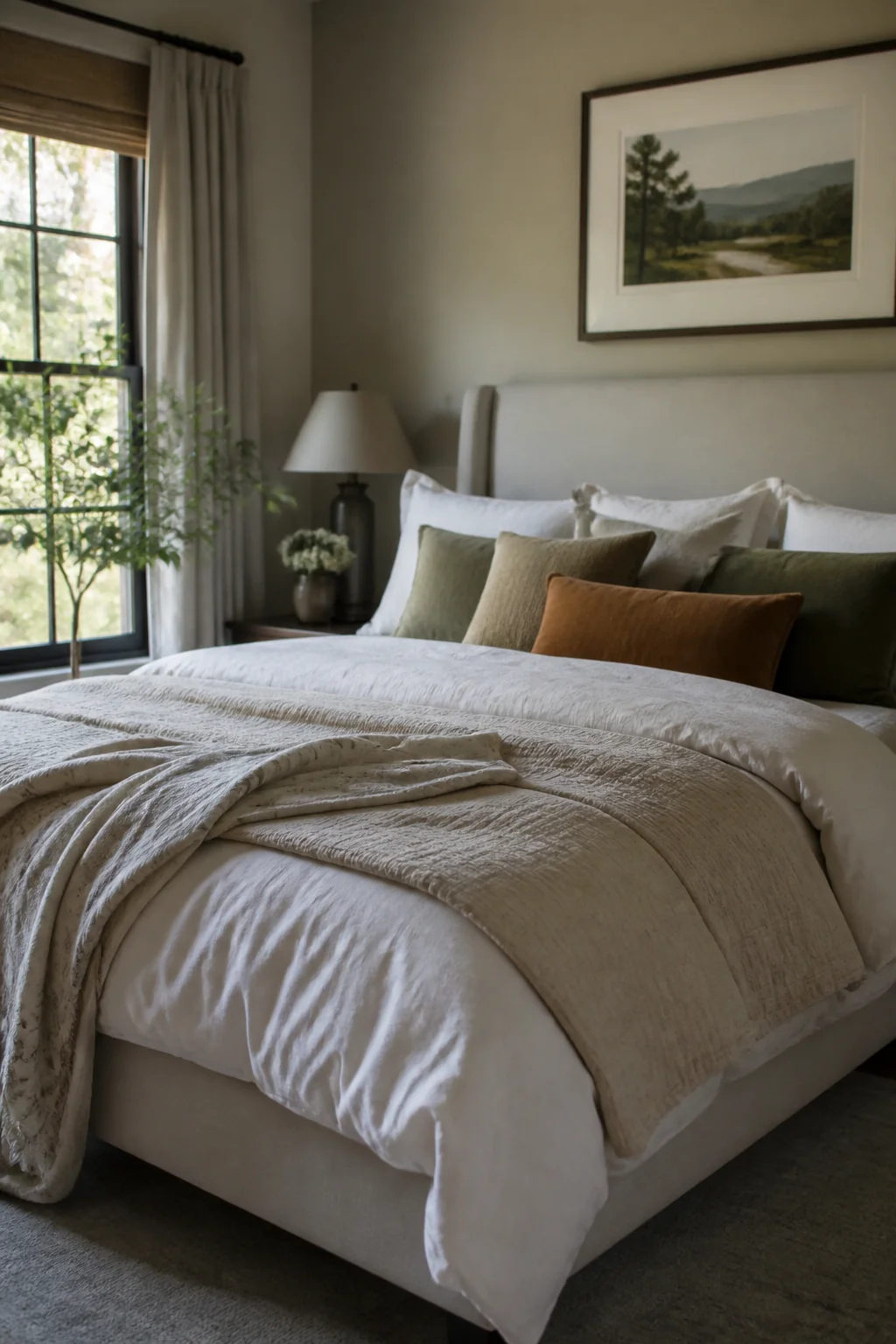
This is the one place we'd spend real money, because the return arrives every single night. You don't need a $3,000 mattress. A mid-range one in the $600 to $1,000 band holds its support for roughly seven to ten years, while $200 boxed foam tends to develop a body-shaped dip within a couple of years, and you feel that in your lower back long before you can see it.
Sheets are the cheaper half of the upgrade and the half you notice first. Cotton percale sleeps cool and crisp, cotton sateen feels smoother and a little warmer, and both breathe in a way microfiber polyester doesn't, which is exactly why cheap sheets feel clammy at 3am. A good set costs about $80 to $150 and survives years of washing if you skip fabric softener, which coats the fibers and dulls how they absorb.
Check depth before you order. Standard fitted sheets fit mattresses up to 14 inches, and a pillow top can run 16 inches or more, so a normal set pops off the corners all night. Pillows are consumable: swap them every 18 to 24 months.
Finding Your Own Style Takes Time
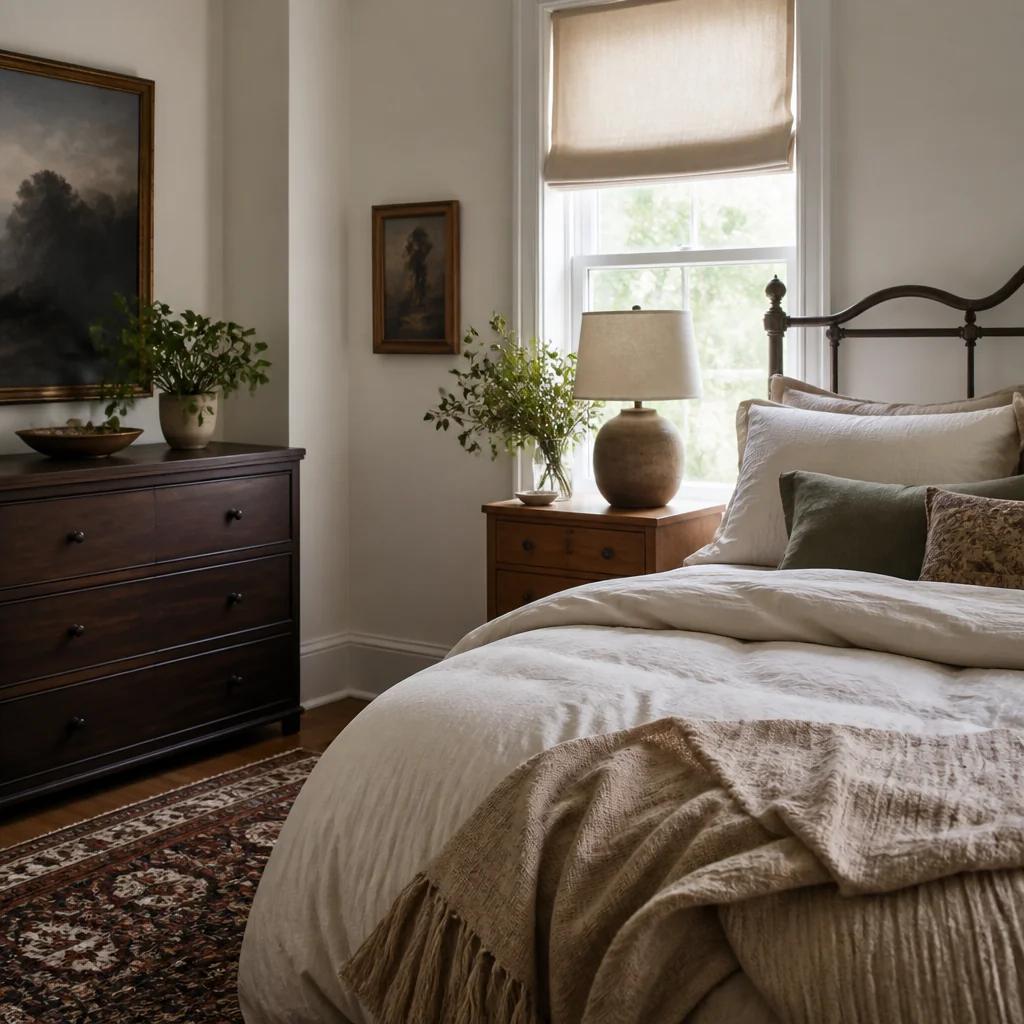
Style isn't picked off a list. It's something you notice about yourself once enough evidence has piled up.
Make a folder on your phone and save every room that stops your scroll, with no filtering and no judging what lands in there. Give it two or three months, then open forty or fifty images at once and look at them together. The patterns show up fast. Maybe nearly everything has wood tones and warm whites. Maybe it's cool grays with one loud color in a corner. Write down what repeats, not what you think ought to repeat.
Contradictions are fine. Loving spare Scandinavian rooms and dense bohemian ones at the same time usually means you want large simple pieces and busy small ones, and that is a workable brief for a real room.
What the waiting period buys you is money you don't waste. A rug you regret is $150 to $400 gone, and rugs are the item people replace first. Two months of screenshots costs nothing and tells you whether you'd really live in the palette you admire from a distance.
The whole guide in one image
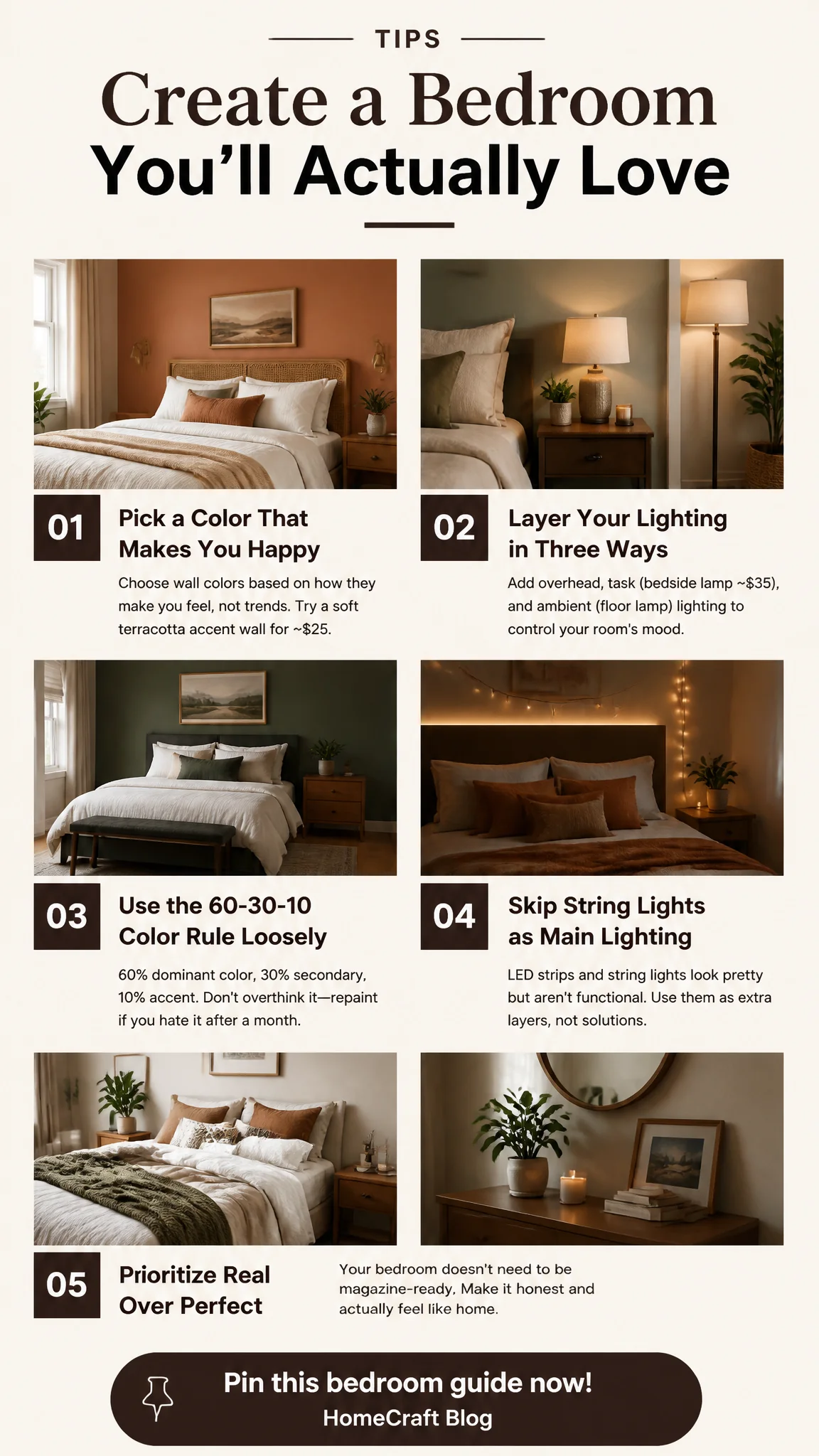
Light is where we'd put the first $50, because a room lit from one ceiling point looks unfinished no matter what else is in it, and a lamp is the smallest purchase that alters how the room reads after dark. The rest keeps. Paint doesn't expire, a good dresser will still be worth buying next month, and taste arrives on its own schedule. The room worth aiming for isn't the one that photographs well. It's the one where you can shut the door, switch on a lamp, and stop thinking about it.