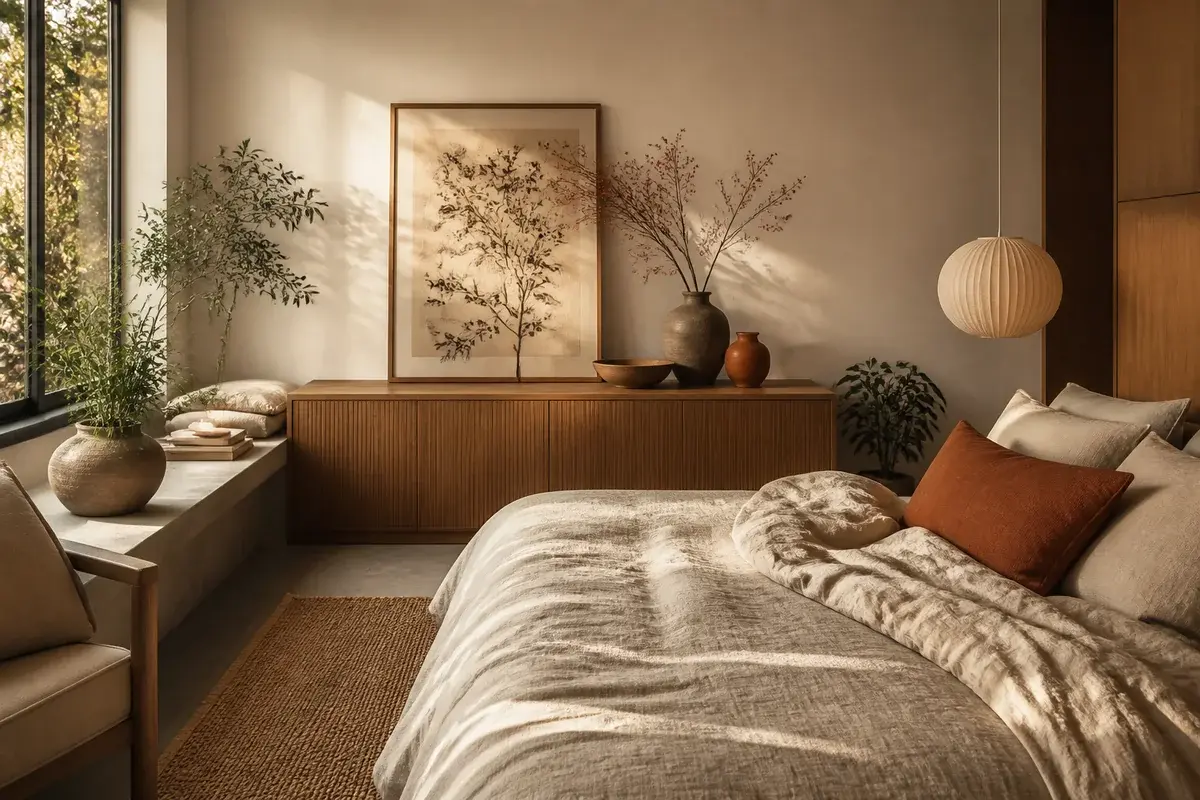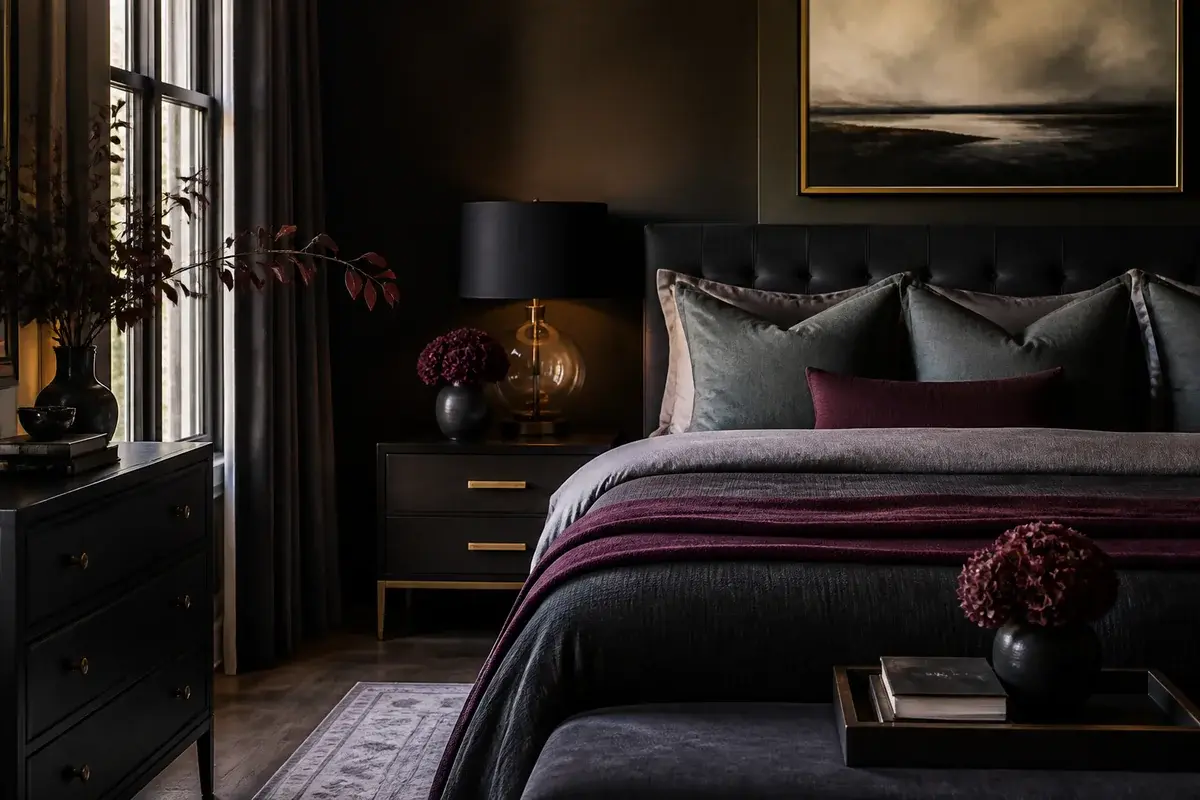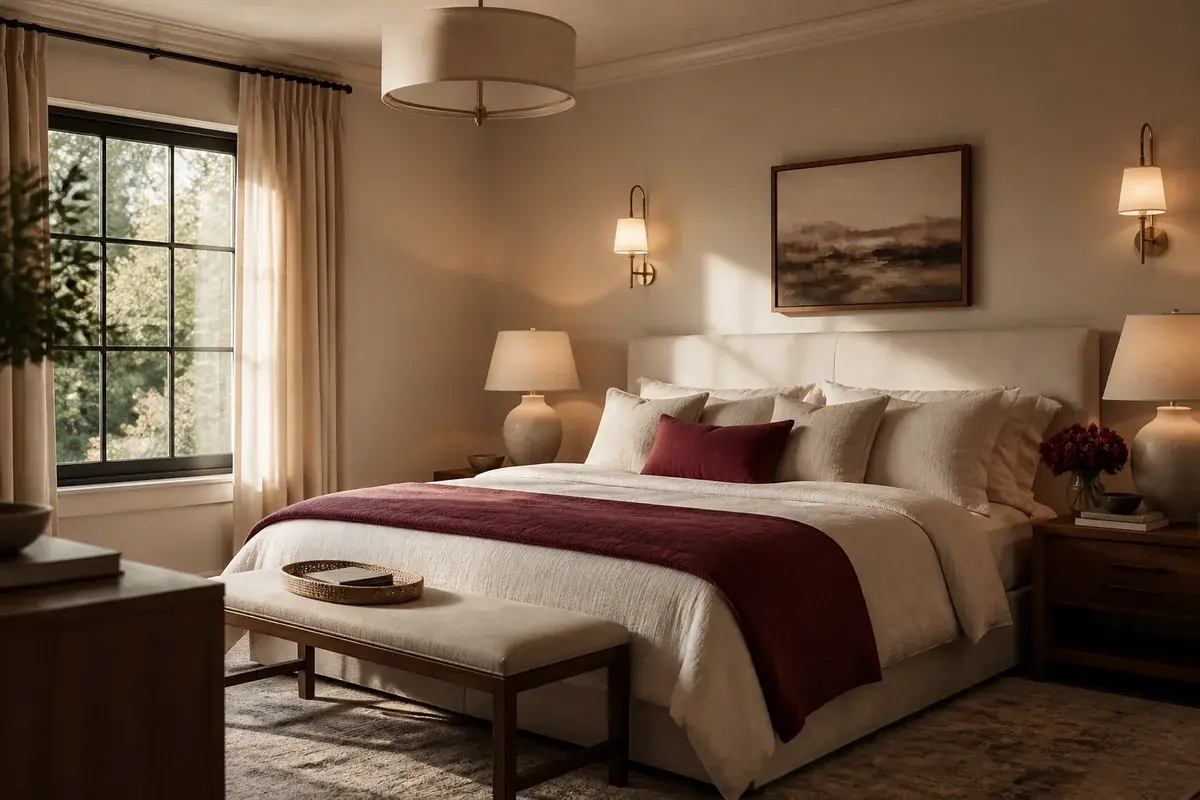
9 Timeless Traditional Bedroom Decor Ideas for a Restful Retreat
Classic bedroom decor with layered textures, timeless furniture, and restful color schemes that feel elegant without looking stiff or dated.
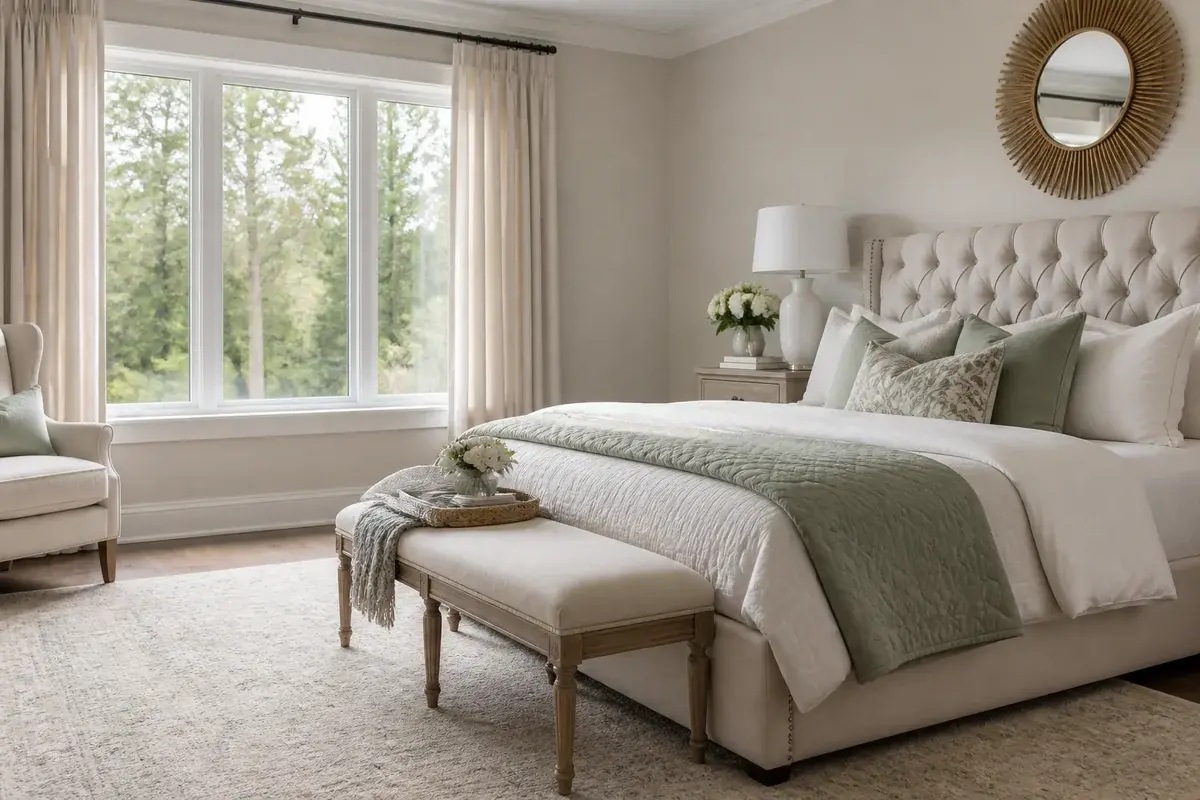
A traditional bedroom works best when it feels like a refuge, not a museum. The biggest constraint you're working with is that the style demands restraint - traditional spaces reject clutter, loud color shifts, and anything trendy. This means you can't fill a small traditional bedroom the same way you might fill a modern one, and you can't layer in as many competing patterns without it reading as chaotic instead of collected. What works is editing ruthlessly and choosing pieces that earn their place through quality or genuine use.
1. Build a bed that anchors the whole room
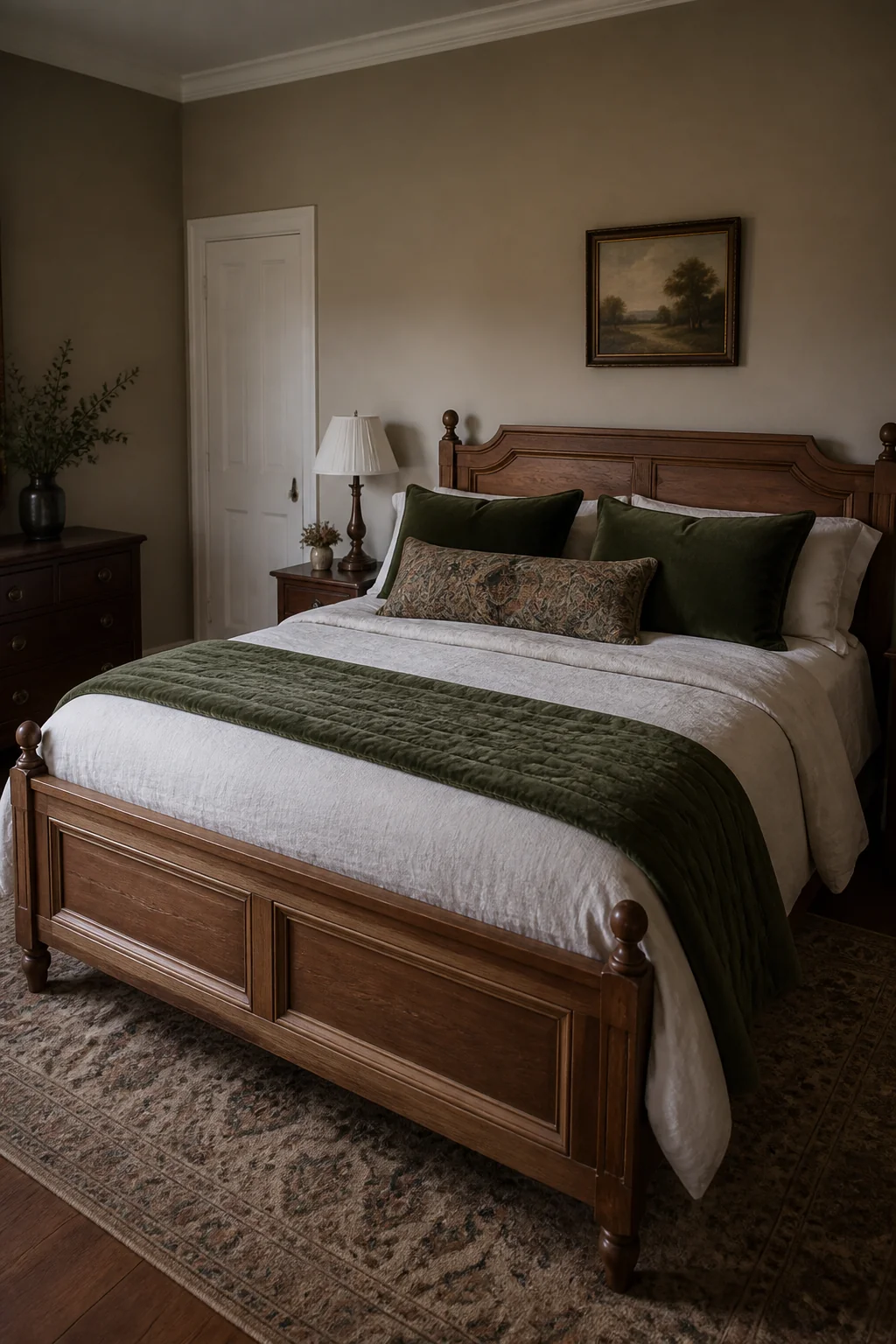
Your bed is the furniture piece that defines everything else in a traditional bedroom. A solid wood frame in walnut or cherry, or an upholstered bed in a classic fabric like linen or cotton velvet, sets the tone for what belongs around it. A four-poster bed runs about $800 to $2,500 depending on wood type and detail work; a simpler upholstered platform might cost half that. The bed needs proper scale - in a 12-by-14 room, a queen frame should leave at least 2 feet of walking space on each side. The common mistake is choosing a bed that's too delicate for the room's overall weight, leaving it looking like it belongs in something smaller. A bed that's overstuffed or decorated with too many throw pillows reads fussy instead of restful, so stick to real bedding - fitted sheet, flat sheet, duvet or quilt in a natural fiber - and save decorative pillows for situations where you actually use the bed to sit and read.
2. Hang heavy linen curtains from ceiling to floor
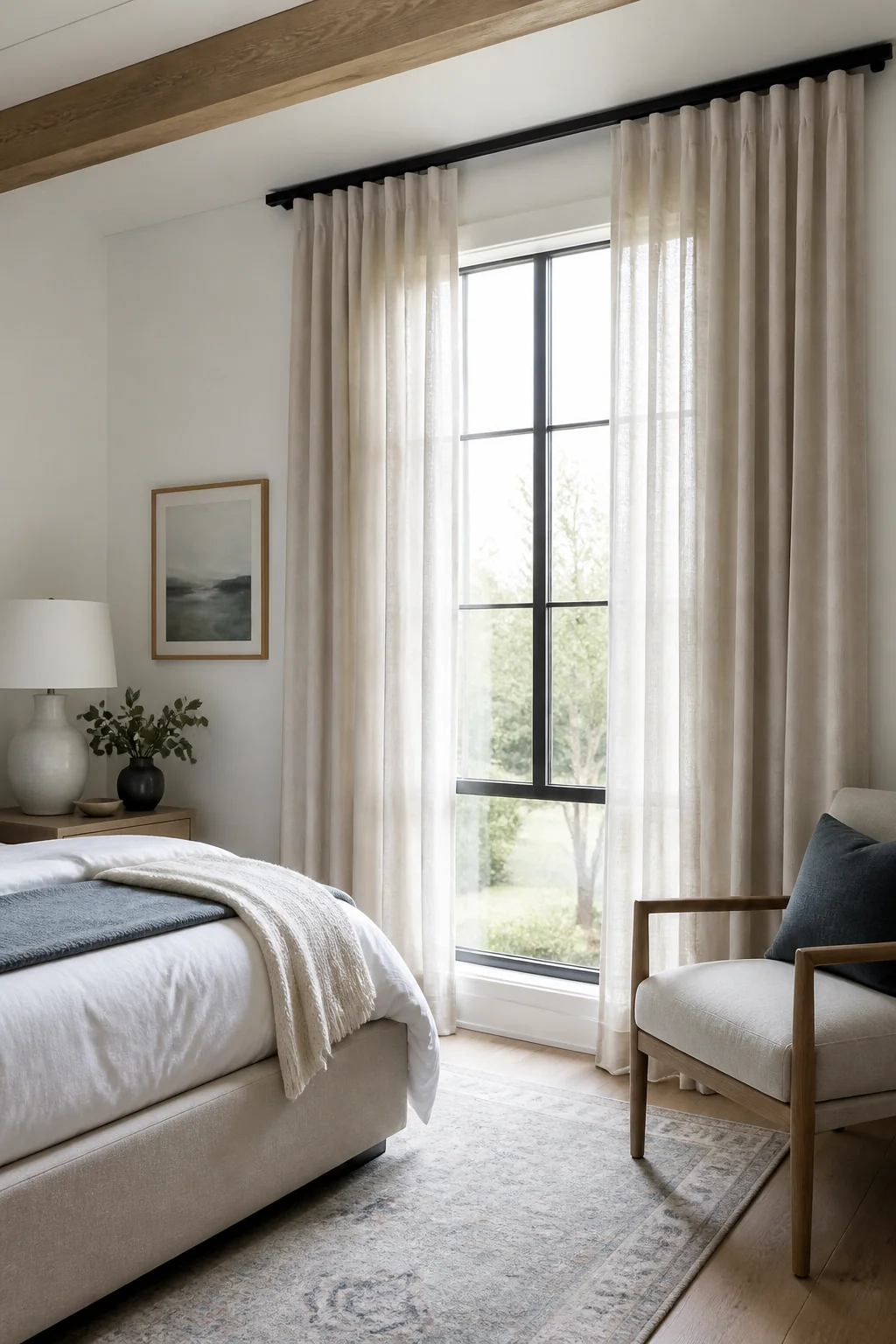
Floor-to-ceiling curtains make a bedroom feel taller and more composed. Use a tension rod or a sturdy wooden rod mounted into studs (not drywall anchors), and hang the curtains high enough that the rod clears the window frame by 4 to 6 inches. Linen curtains in cream, soft gray, or warm white cost about $25 to $40 per linear foot depending on fabric weight; a pair for a standard window runs roughly $150 to $300. The curtains should pool slightly on the floor or just graze it - about 1 inch of extra length. Mounting the rod below the ceiling is what kills the effect: even 6 inches lower makes the room feel squat. Linen works better than cotton in a traditional room because it has structure and a subtle texture, while cotton can feel thin and casual.
3. Layer your lighting in three zones
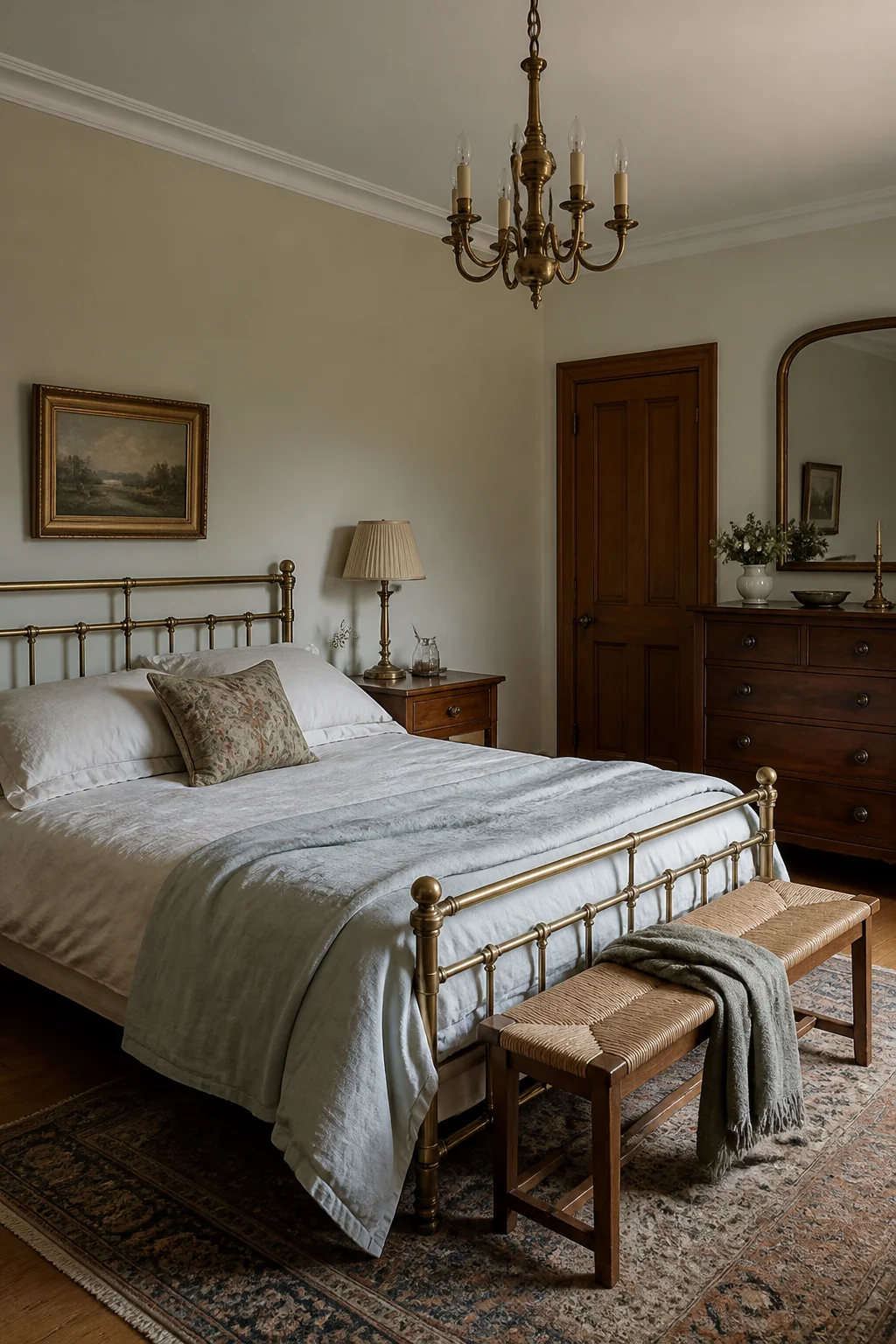
One overhead light isn't enough and it's usually too harsh for a bedroom. Add a table lamp on each nightstand (about $40 to $120 each for a traditional brass or ceramic base with linen shade) and wall sconces flanking the bed if you don't have nightstands, or a reading lamp beside a chair if you have the space. The overhead fixture should be on a dimmer so you can control it. This three-layer approach means you're never choosing between too bright or too dark. (A dimmer switch costs about $15 and takes 15 minutes to install if you're comfortable with basic wiring; otherwise hire an electrician for about $75 to $150 for the job.) Traditional bedrooms benefit from warm color temperature bulbs, around 2700K, which makes the whole space feel calmer than cooler daylight tones.
4. Choose a calm, coordinated color story
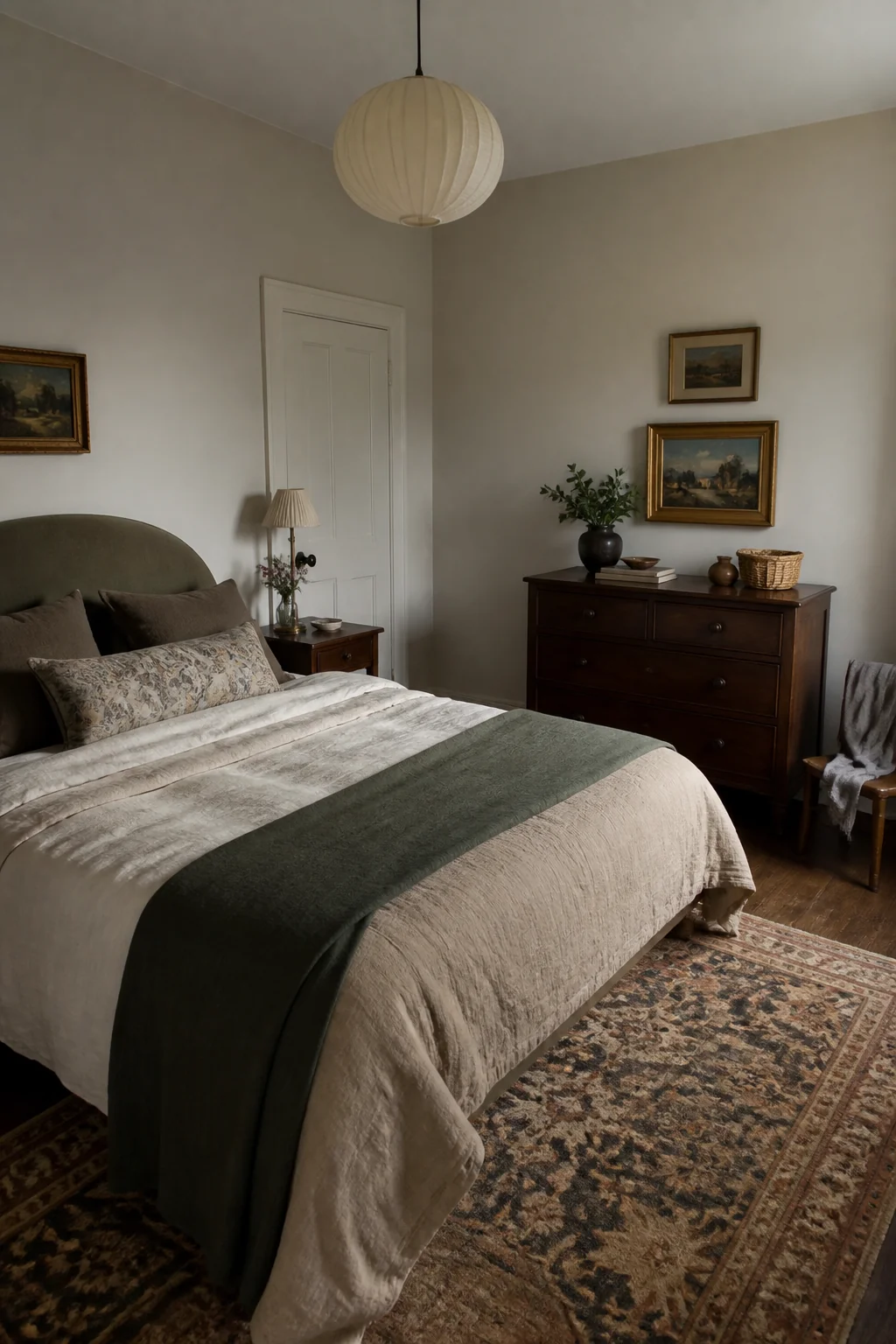
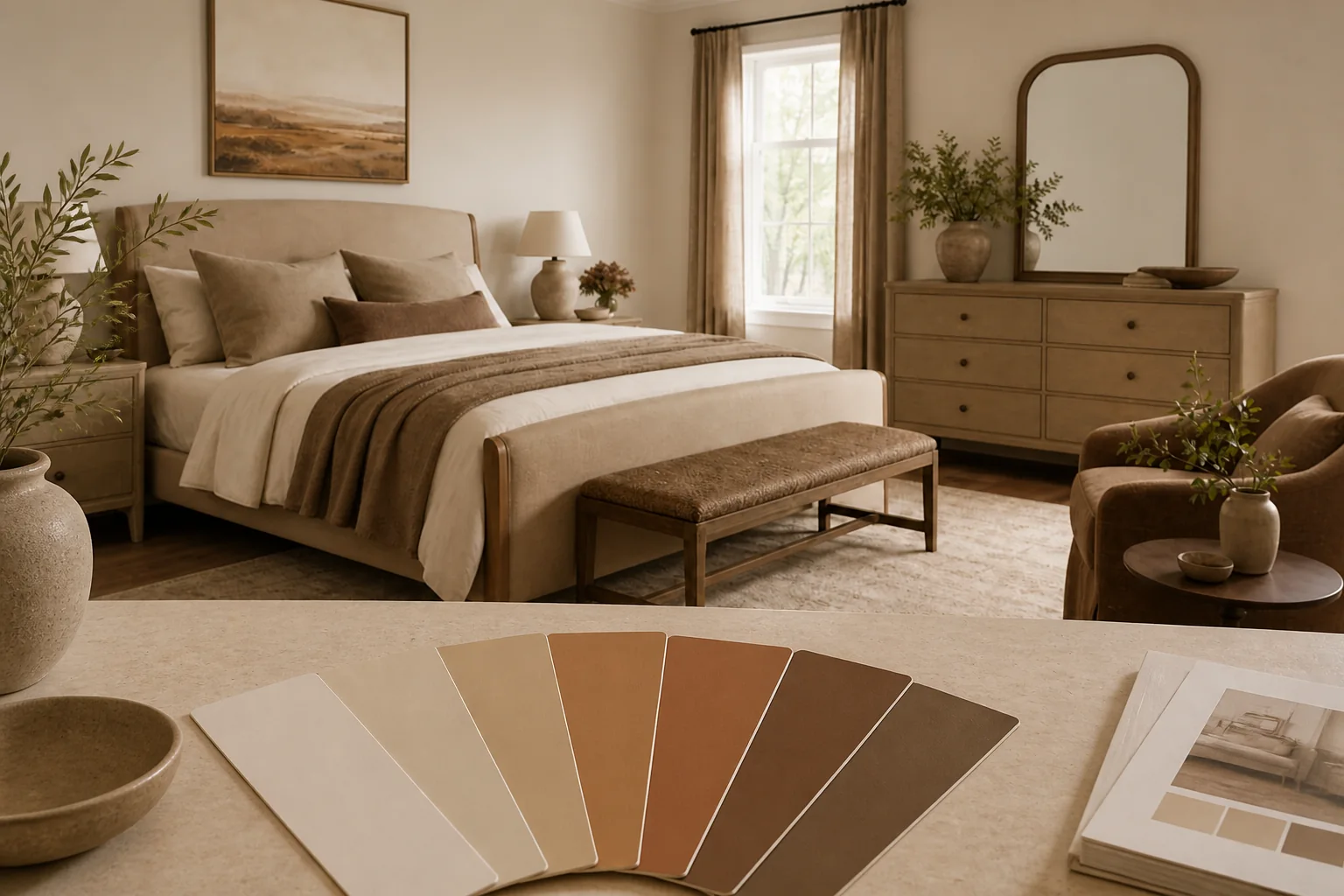
Traditional bedrooms don't need to be beige, but they do need to feel intentional about color. Pick a main color - soft sage, warm gray, pale blue, or cream - and then choose one accent color that's deeper and more muted, like a dusty rust or charcoal. Your walls should be your quietest surface. A soft, chalky finish paint (not flat, which shows dust, and not high gloss) in your main color costs about $35 to $50 per gallon. The accent color shows up in textiles - your rug, perhaps a few throw pillows, your upholstered headboard. Too many colors fighting for attention in a small bedroom makes it feel fractious instead of restful.
5. Anchor the room with a quality wool rug
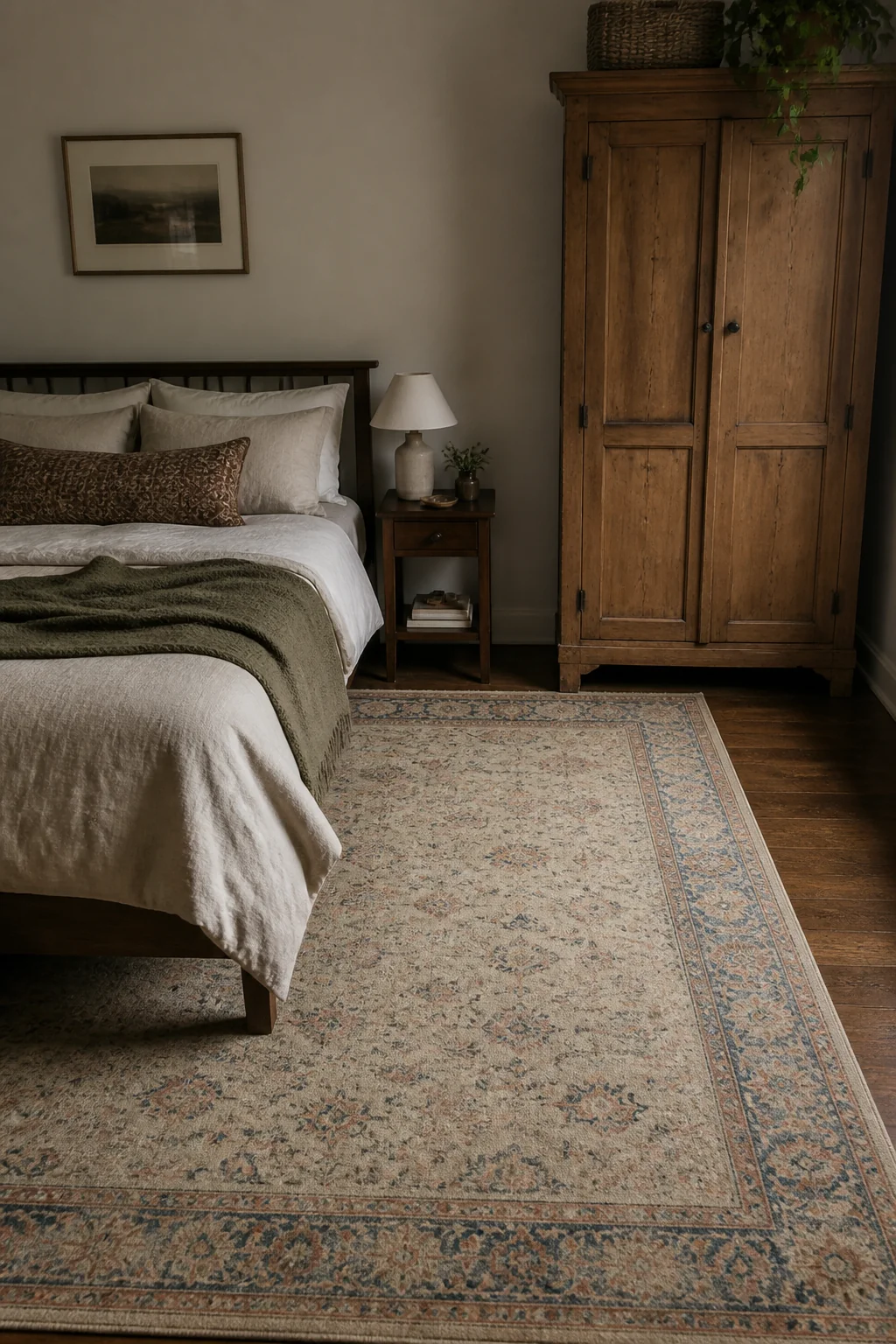
A hand-knotted or hand-tufted wool rug in a neutral or subtle pattern pulls the whole room together. For a bedroom, you want the rug to extend under the bed at least 2 to 3 feet on both sides so your feet touch it when you get up (this is why a 9-by-12 works better than an 8-by-10 in most bedrooms). A good wool rug costs $400 to $1,200 depending on size and fiber quality, but it lasts 15 to 20 years with regular vacuuming. A fussy, busy pattern reads as dated instead of classic, so choose geometric patterns or simple florals in quiet tones. Wall-to-wall carpeting is a valid choice too, but it dates faster and costs less upfront ($500 to $2,000 installed), so commit to neutral if you go that route.
6. Add a wood dresser or chest that matches your bed
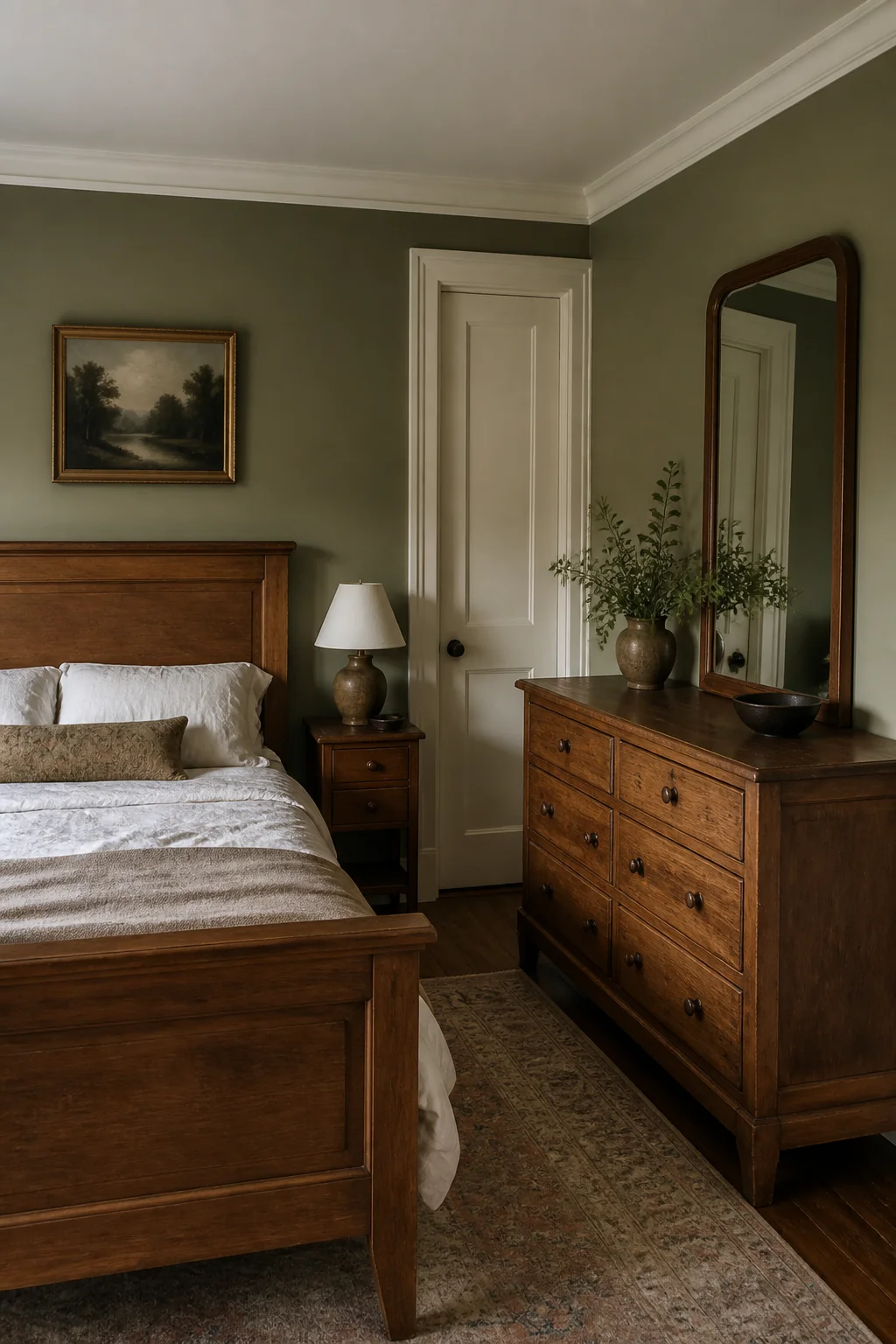
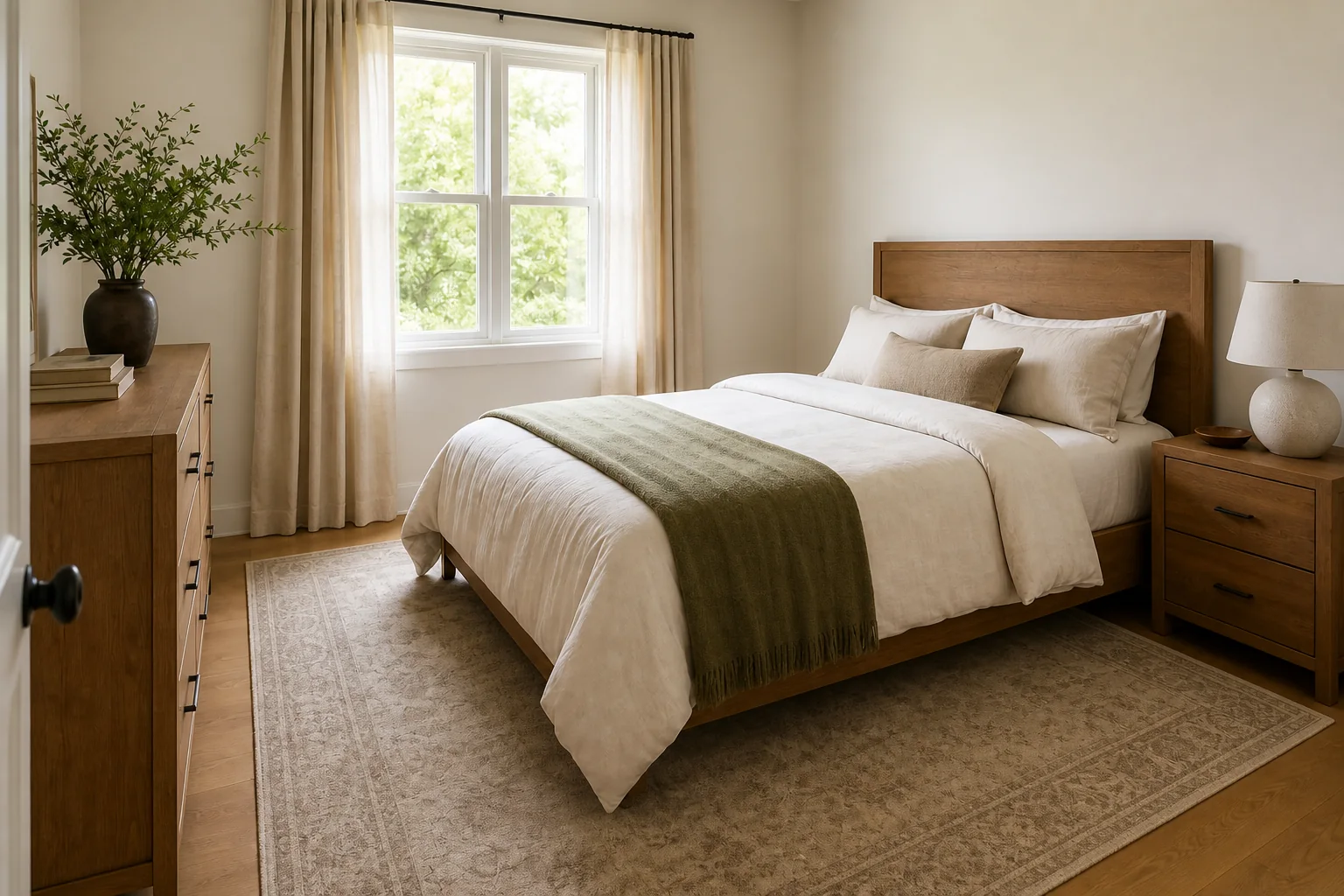
If your bed is cherry, your other wood pieces should echo that tone. A traditional dresser with real wood drawers and hardware (not veneer over particle board) costs $600 to $1,800 depending on size and wood species. Solid construction means the drawers glide smoothly and the piece won't fall apart in five years. The dresser should leave at least 3 feet of clearance from the foot of the bed if the room allows, and it's the right place for a mirror - a large one, 3 to 4 feet tall, above the dresser adds height and reflects light. Avoid dressers with glass tops or marble surfaces; wood is more traditional and more practical for a bedroom.
7. Keep the walls largely empty and let textiles do the work
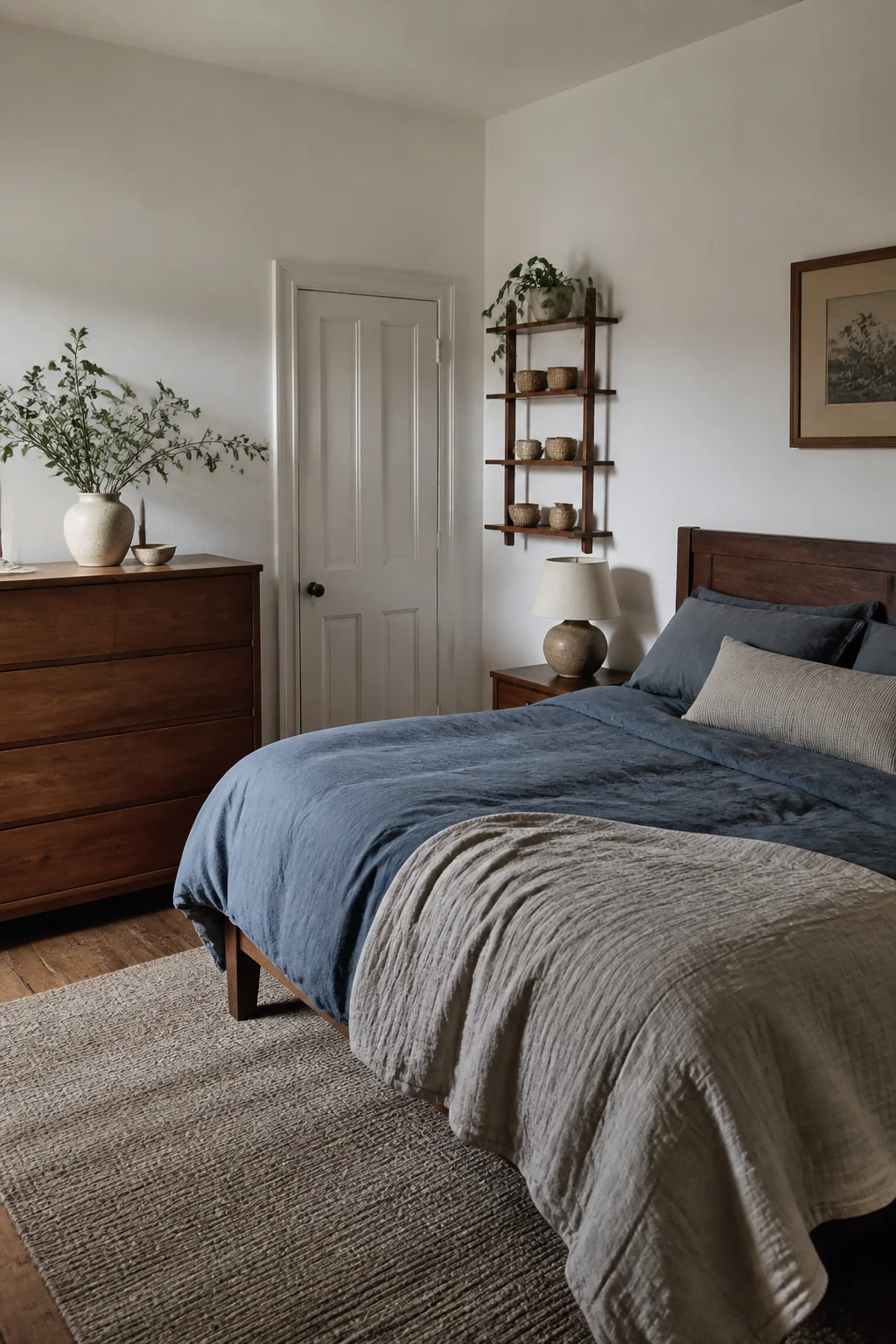
Traditional bedrooms resist the urge to crowd walls with art and shelves. Pick one or two pieces of art - a landscape, a botanical print in a wood frame, or a textile hung as a tapestry - rather than a gallery wall. This restraint is what separates traditional from maximalist, and it's what lets a small bedroom breathe. A single large framed print costs $30 to $150 depending on frame quality; a textile wall hanging runs $40 to $200. Let your textiles - the curtains, the rug, the bedding, throw blankets - carry the visual interest instead. Wall space that's empty isn't a problem; it's a choice that makes the pieces you do hang matter more.
8. Use brass or bronze hardware and fixtures throughout
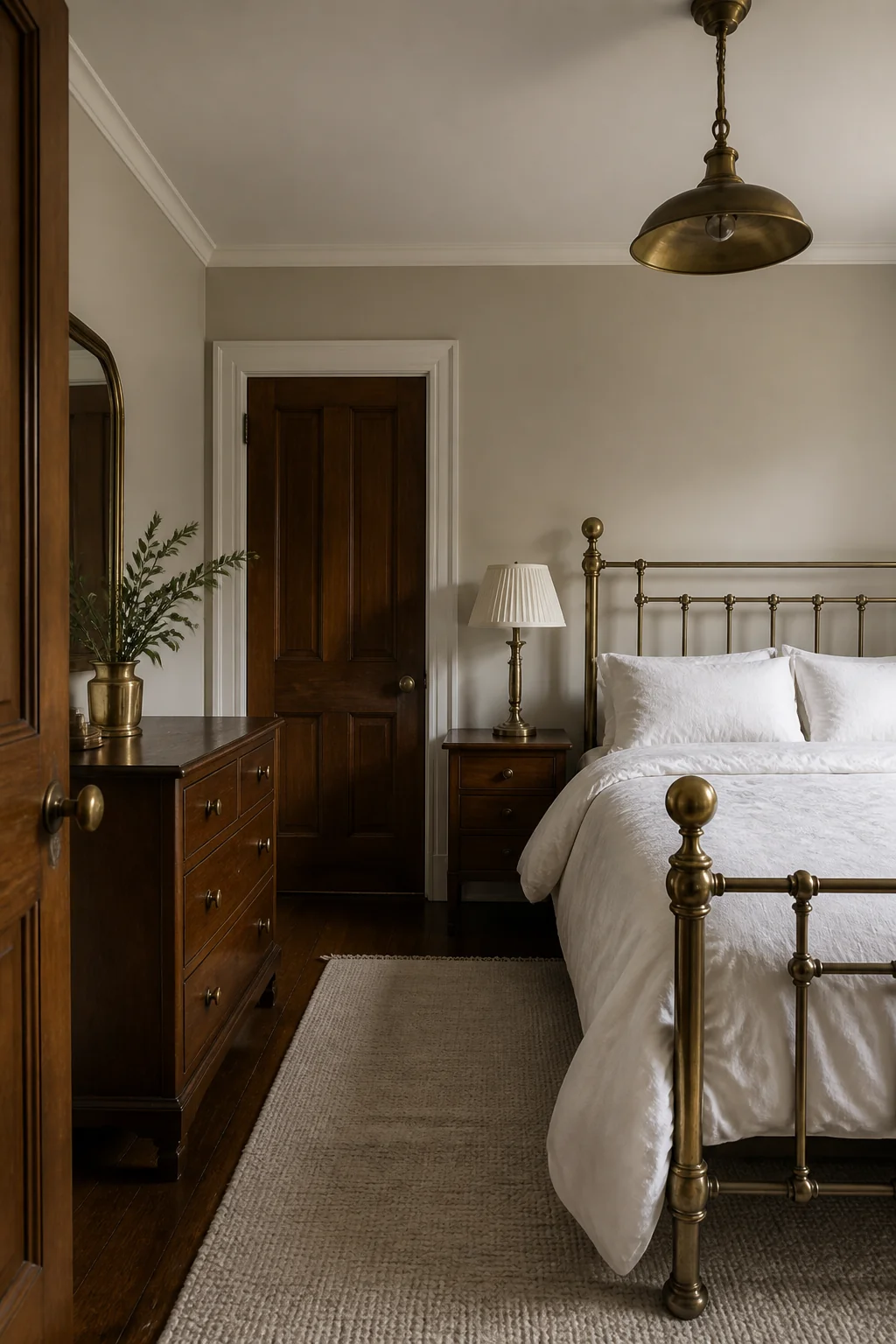
Every door handle, drawer pull, light switch plate, and lamp base should feel coordinated. Brass and bronze are the traditional metals that age well and feel intentional. Replacing basic cabinet hardware costs about $10 to $30 per pull, so a dresser with six drawers is maybe $60 to $180. (Don't skip this: cheap, mismatched hardware makes furniture look like it belongs in a dorm room, not a bedroom.) Your lamp bases, curtain rod brackets, and wall sconce fixtures should all share the same finish - warm brass, not mixed metals, which reads as accidental rather than designed.
9. Add weighted texture with throws and pillows in natural fibers
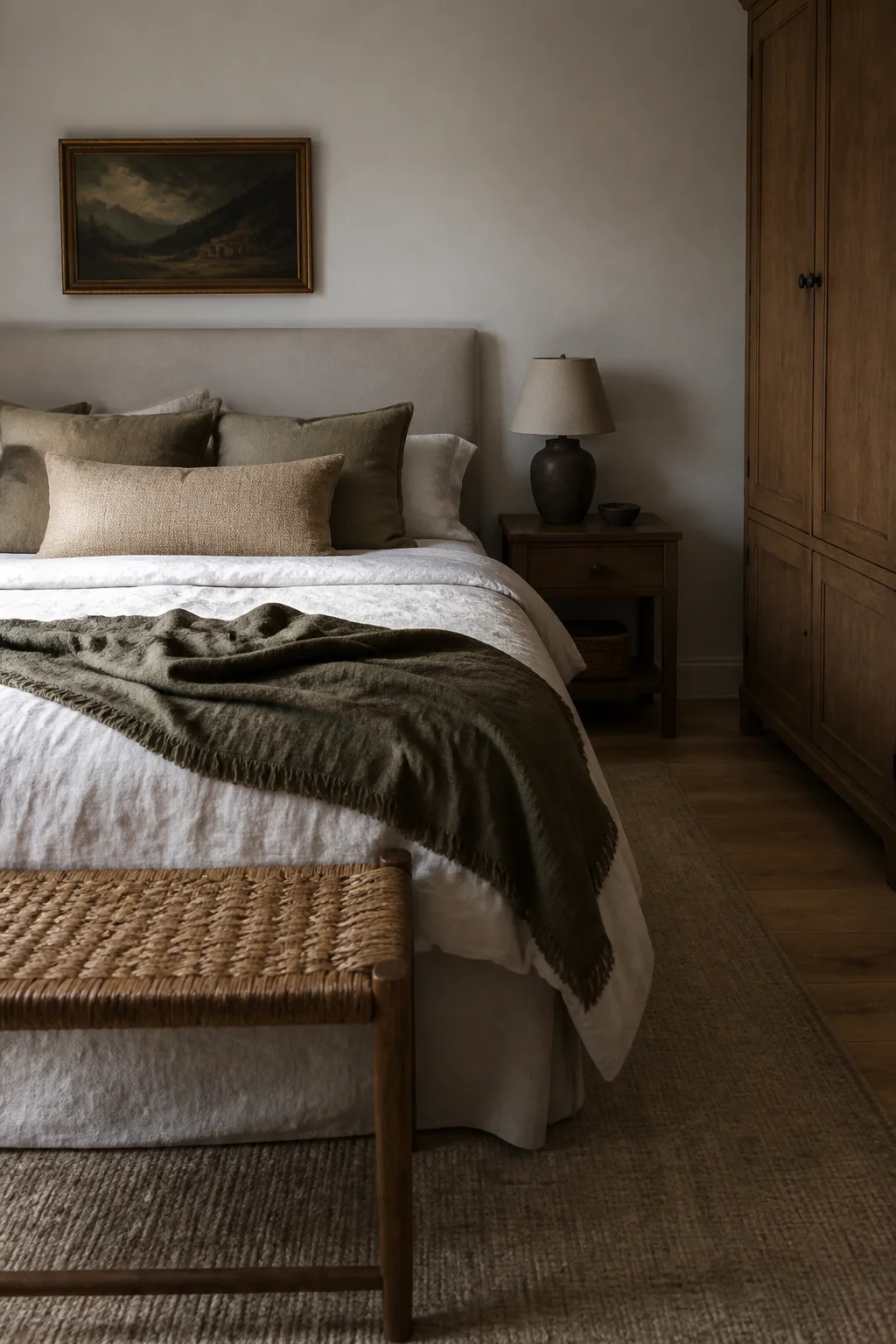
A linen throw draped over the foot of the bed, wool blankets on a bench at the end, and pillows in cotton, linen, or fine wool add tactile interest without clutter. Quality throws cost $60 to $180 each; good pillows run $30 to $80. The key is that everything should feel natural - no synthetic fabrics, no metallics, no fussy trims. A single throw is better than three; a single decorative pillow is better than five. The mistake is thinking that more textiles mean more comfort when actually they often mean more visual noise. Stick to two or three solid or subtly patterned pieces in colors that match your walls or your accent color.
Keep this guide handy
Before you buy any furniture, measure your room and sketch out where each piece sits. Note the window placement, the doorway swing, and any closets or radiators. You'll need at least 18 inches of clearance between the side of your bed and the wall so you can actually change sheets, and about 3 feet of space to walk comfortably at the foot of the bed.
Ideas fade by Friday. A plan finishes the room.
You just read a full guide to your bedroom. Saving ideas will not change it; a plan will. The Home Decor Collection is every planning tool we make, for every room in the house, in one download, so the after photos below stop being other people's rooms.
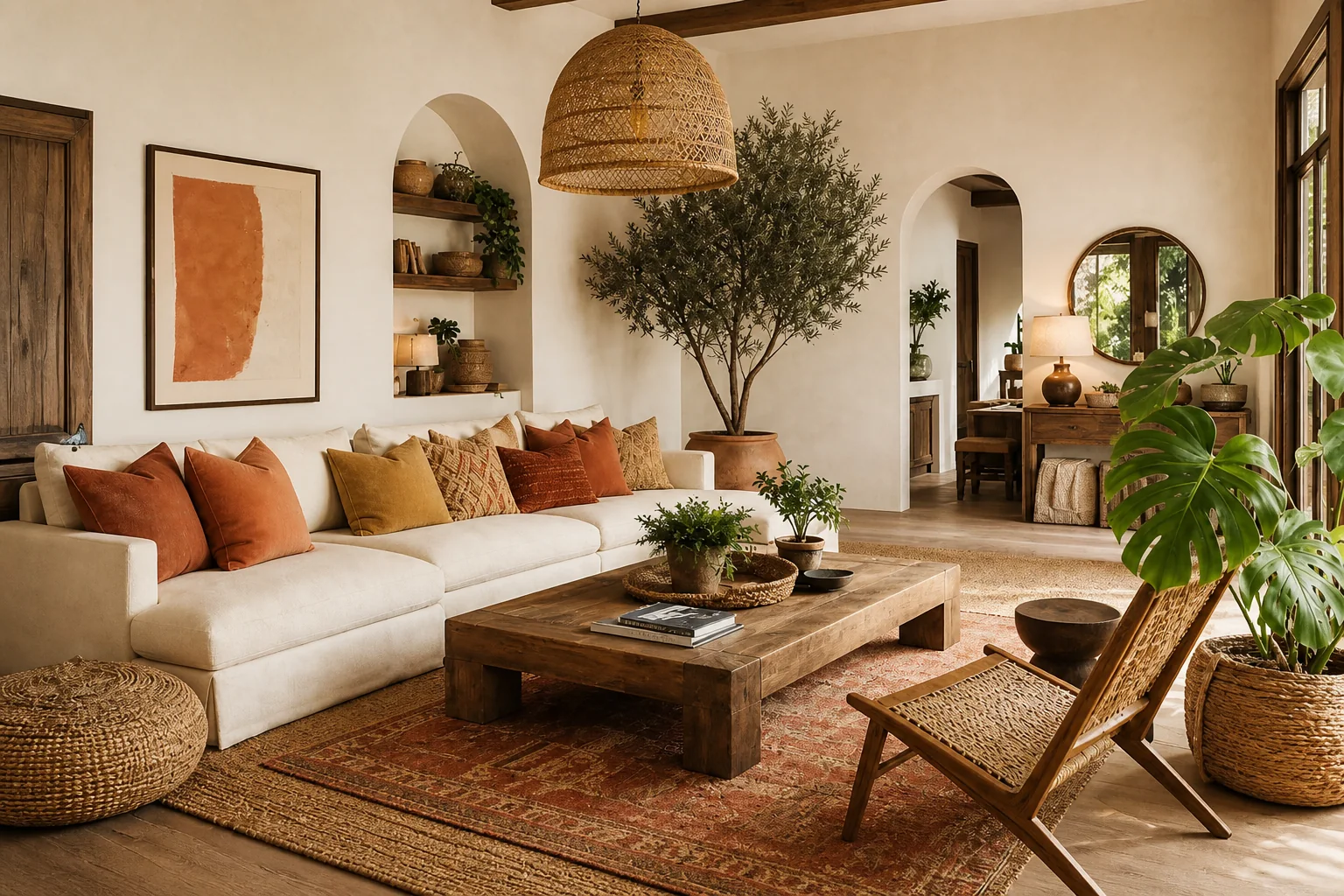
- Six room Style Kits, each with layout, palette and shopping list$114
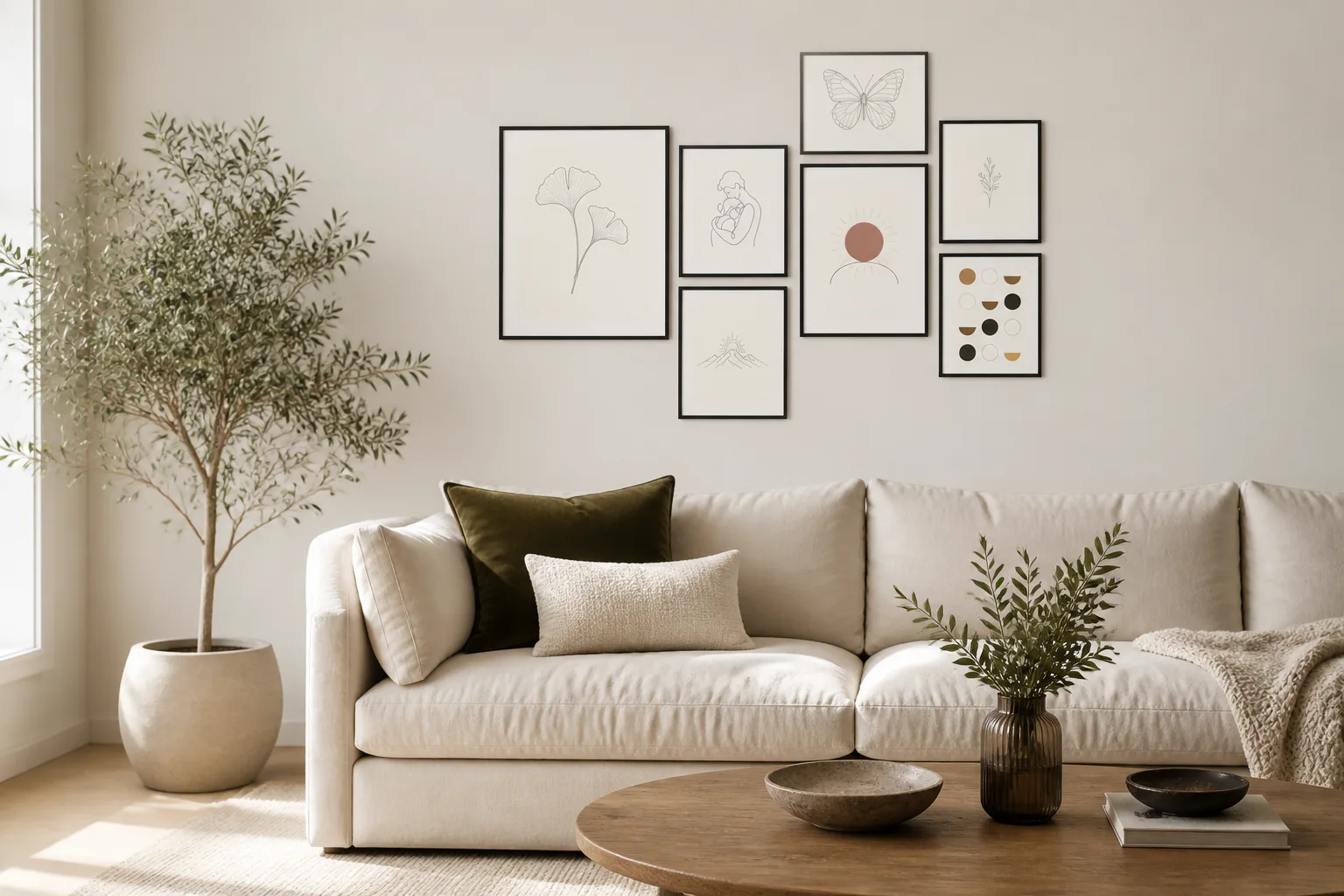
- The Gallery Wall Studio: 200 prints + 15 measured layouts$29
- The Room Makeover System: 40 solved room layouts + workbook$29
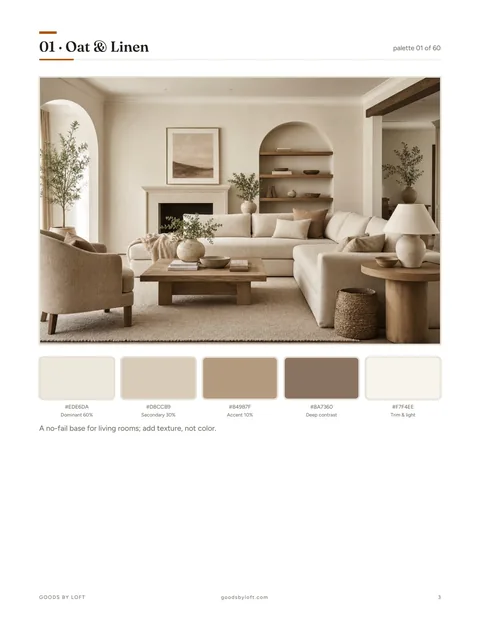
- The Color Palette Handbook: 60 palettes shown in real rooms$19
- The Whole-Home Reset: 40 printable organizing checklists$19
- The Decorator's Cheat Sheets: the 40 measurements that matter$9
- All eleven products, bought separately
$219$97
A single hour with an interior designer costs more than the entire Collection, and this one keeps answering for every room you will ever decorate. Free updates included as the products grow. And if it is not for you, the 14 day money back promise means you simply get a refund.