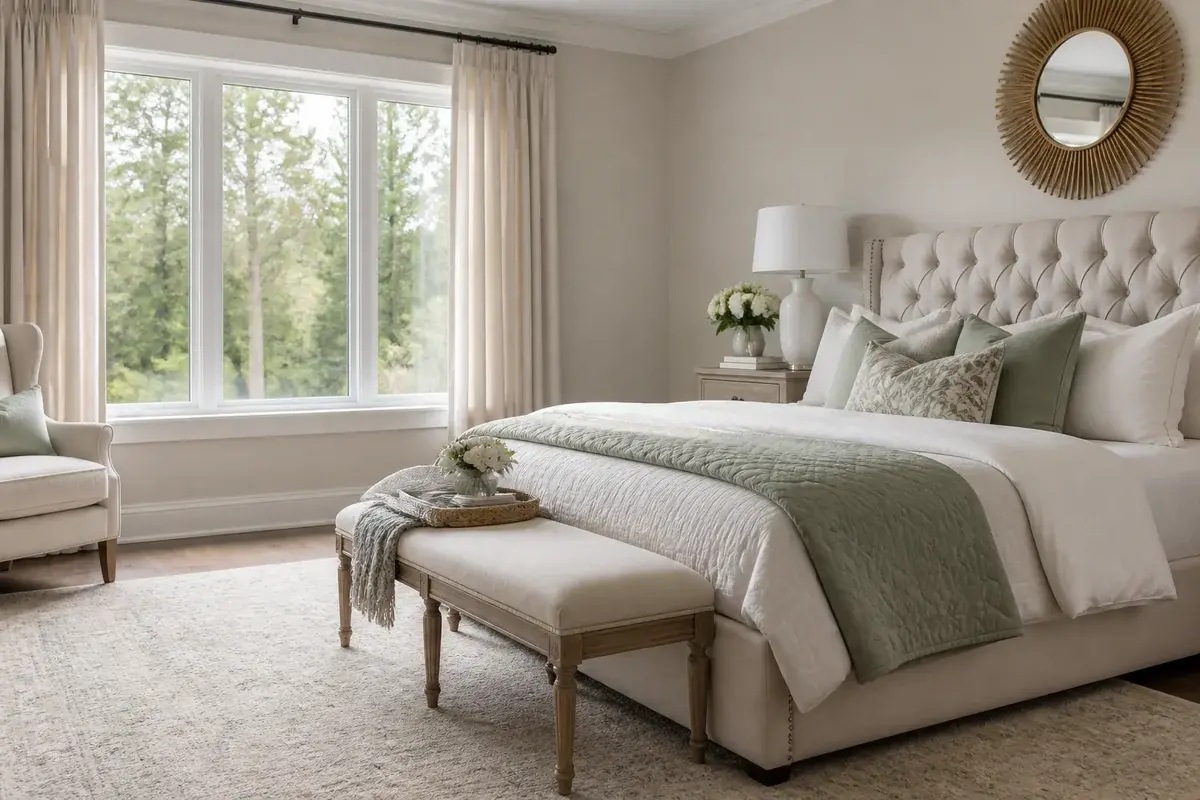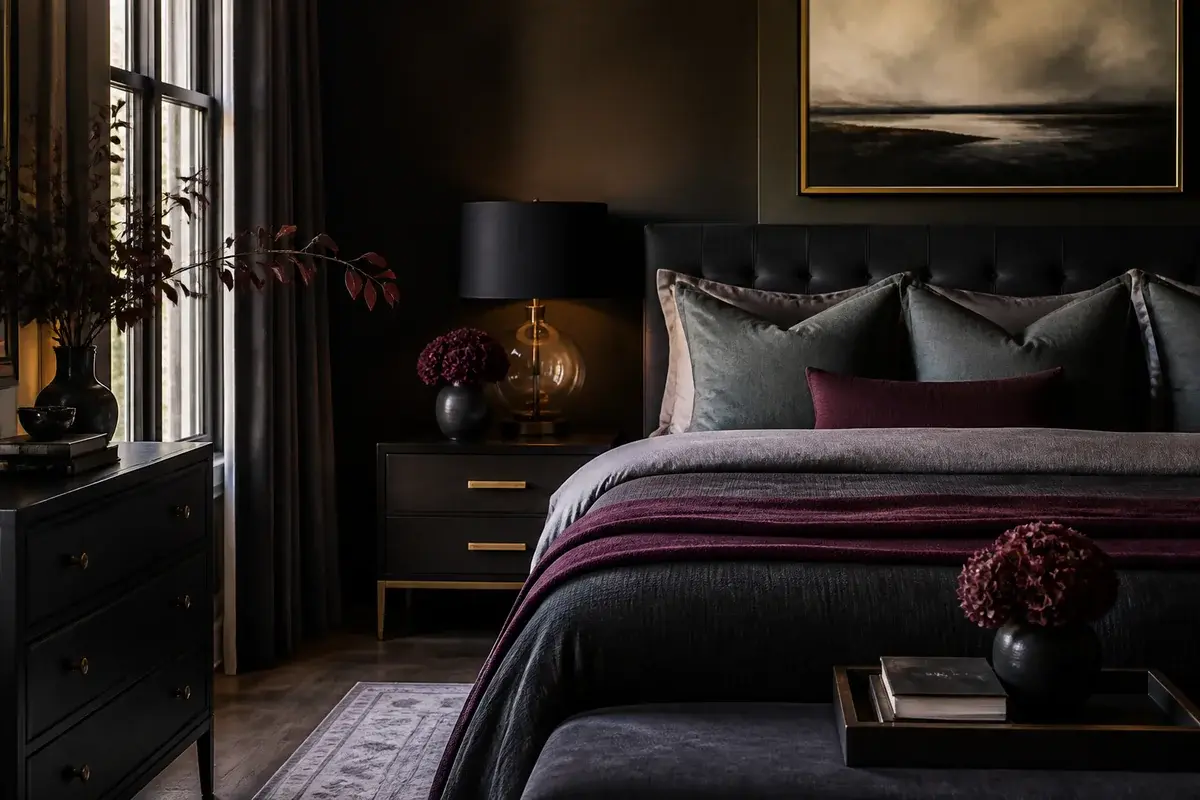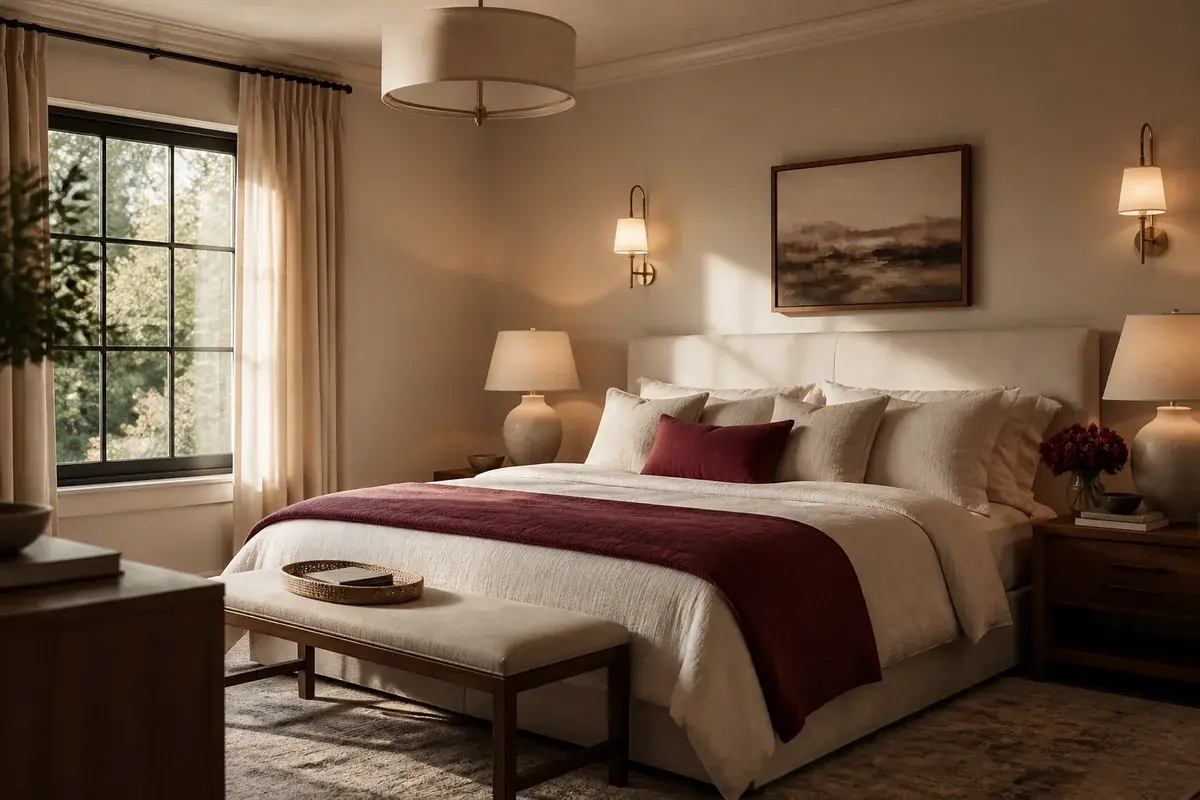
12 Serene Japandi Bedroom Ideas for a Calm Retreat
Discover japandi bedroom ideas that blend Japanese calm with Scandinavian warmth. Create your serene, functional retreat with 12 proven design strategies.
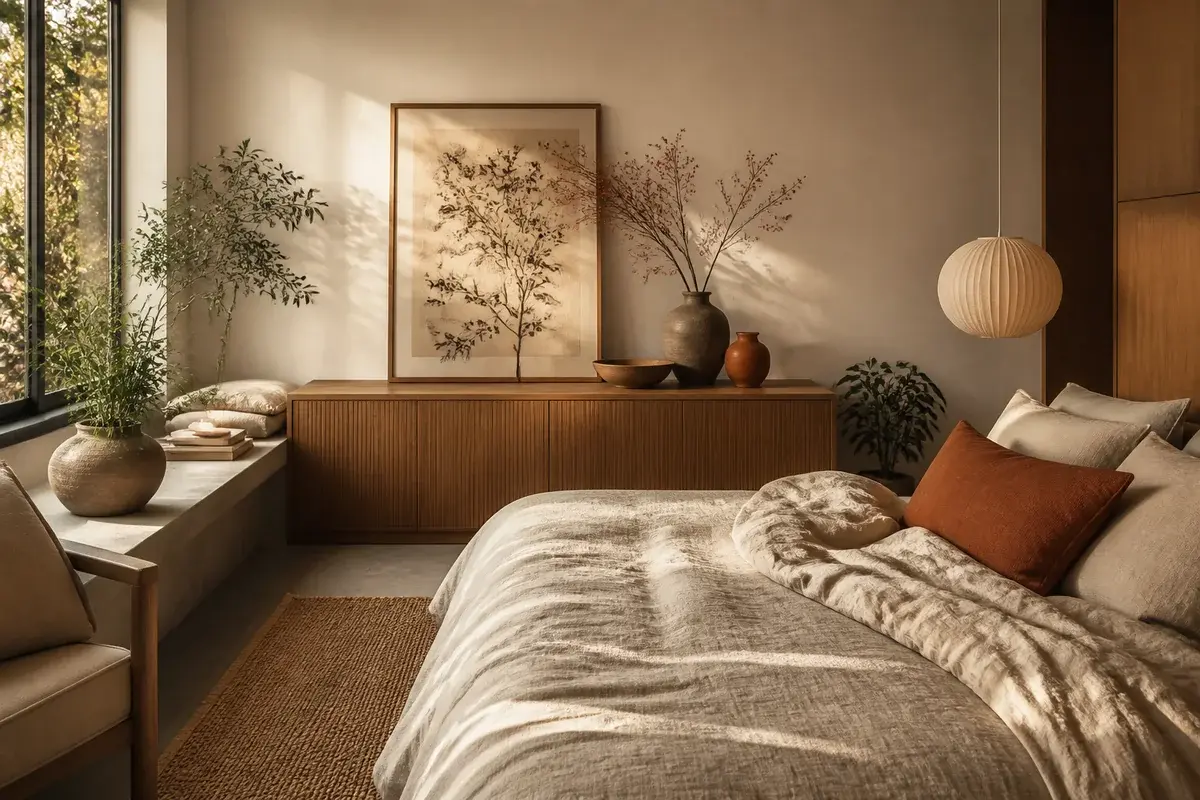
Japandi keeps turning up in bedroom inspiration for a reason that has nothing to do with trend cycles. It takes Japanese restraint, adds Scandinavian warmth, and throws out whatever isn't doing a job. Walk into a room built this way and the first thing you notice is how little there is to look at, and how good that feels. None of it requires a big budget or a design degree, which is the other half of the appeal.
The style works because it strips away noise. Clean lines, natural materials, thoughtful spacing, soft neutrals. The conventional approach pairs Japanese discipline with Scandinavian softness so the room lands calm instead of cold, and that balance is what the twelve ideas below are built around.
Here are twelve ways to bring that calm, grounded feeling into your own bedroom.
1. Choose a neutral base with one accent wall
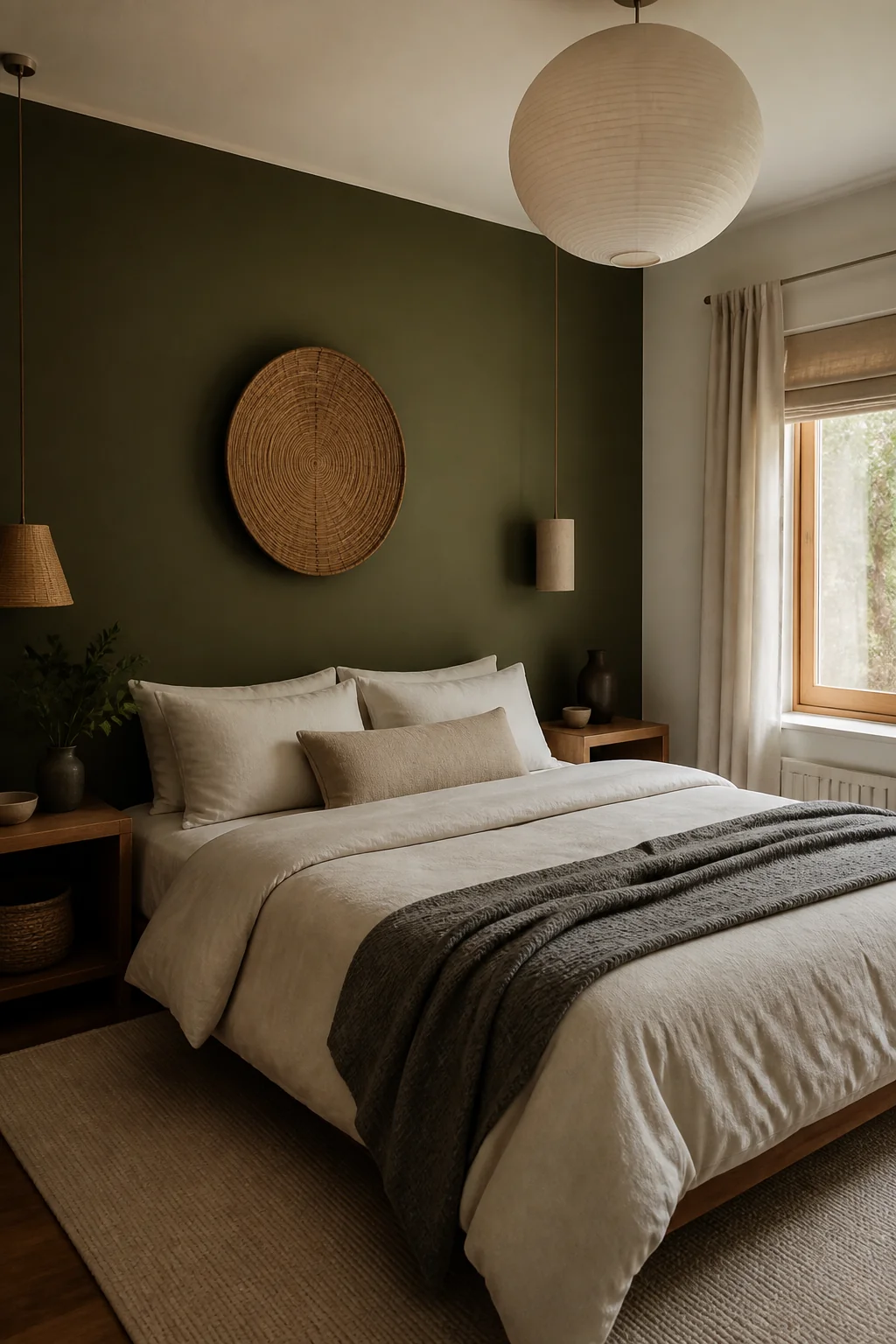
Start with soft white, warm beige or soft gray on three walls, then take the fourth a few shades deeper: charcoal, sage or warm taupe. The wall behind the headboard is usually the one to pick, since it's the surface you never look at from the bed and the one that frames the room from the doorway.
Reach for a matte or eggshell finish. Flat paint absorbs light and hides the small waves and patched nail holes in older drywall, while satin and gloss bounce light straight back and show every roller lap. Paint runs about $40 to $80 per gallon. Do the arithmetic before you carry a second tin to the register: a 12-foot wall at ceiling height is around 100 square feet, a gallon carries 350 to 400 square feet per coat, so one can takes that wall through both coats with plenty spare.
One caution before you commit: a deep color on the window wall turns the window into a glare source, because your eye reads bright glass against a dark field and the contrast is uncomfortable. Put the darker wall opposite the light instead.
2. Layer natural wood furniture in different tones
Mix light ash or white oak with something darker like walnut. A nightstand in one tone, the bed frame in another, and the room stops looking like a matched set bought in a single click.
Two tones is comfortable and three is the ceiling. Keep the undertones on the same side of the line: orange-leaning pine next to gray-washed oak reads as an accident rather than a decision. Repeat each tone at least twice so it looks deliberate, with a walnut nightstand echoed by a walnut frame or bench across the room.
Finish matters more than species here. Oiled and hardwax-finished wood shows the grain and can be spot repaired with a rag and a little more oil, so a scuff isn't permanent. High-gloss lacquer holds a chip forever and throws hard reflections that fight the soft light you're building. Skip turned legs, carving and heavy hardware. A solid oak nightstand runs about $120 to $300; veneer at $70 to $150 is fine on flat tops but chips at the edges where hands land.
3. Keep your bed low to the ground
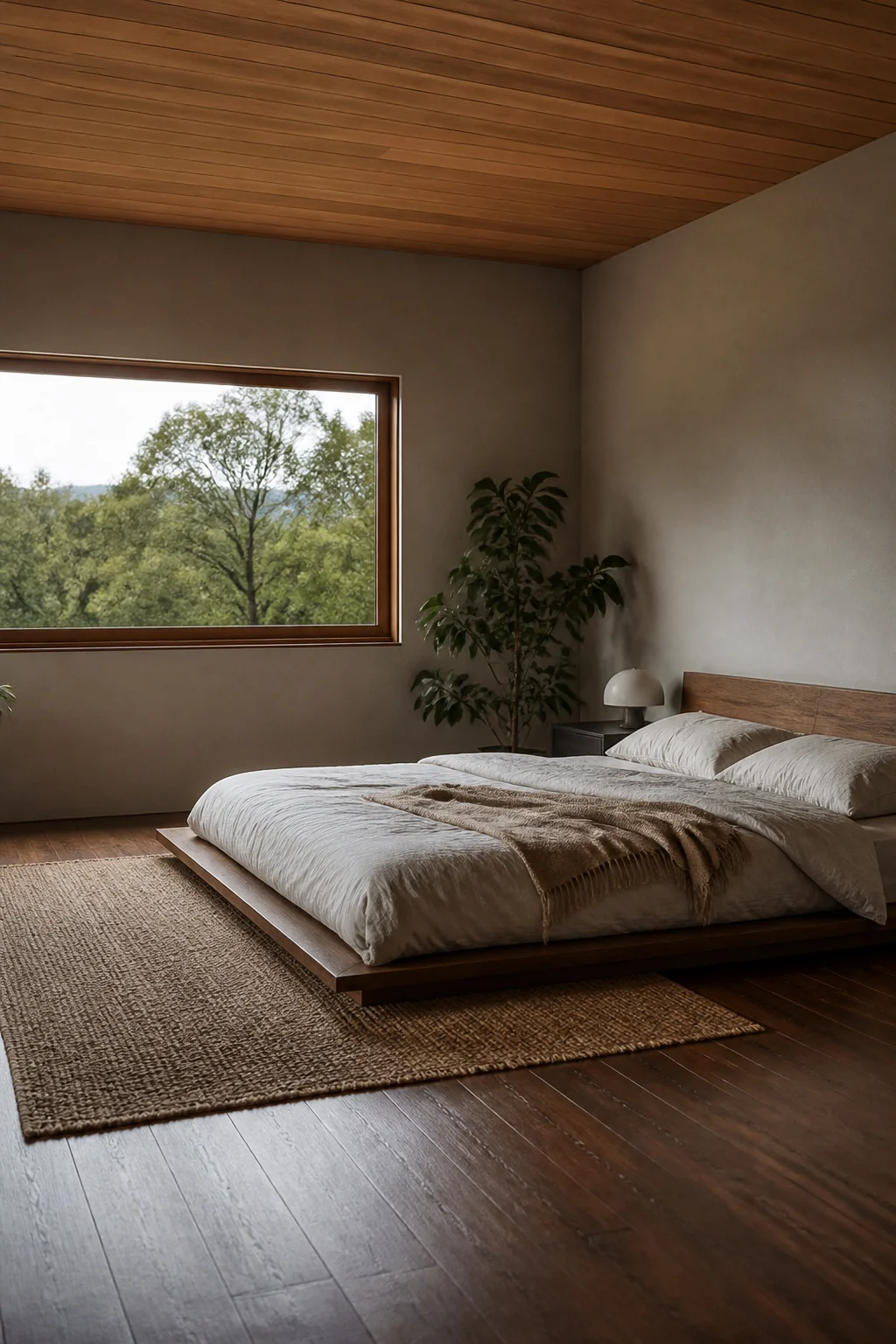
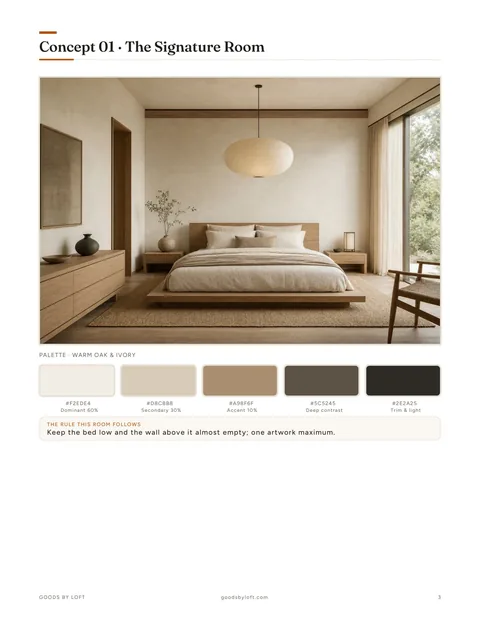
A platform frame with its deck 6 to 8 inches off the floor puts the top of your mattress at roughly 14 to 18 inches, against the 24 or 25 inches of a conventional bed on a box spring. That gap is what does the work: more visible wall above the headboard, so the ceiling reads higher and the room feels settled rather than stacked.
Pair it with a slimmer mattress, 8 to 10 inches rather than a 14-inch pillow top, or the height you just saved goes straight back on. Check slat spacing too. Gaps wider than 3 inches let foam and hybrid mattresses sag between the boards, and most warranties spell that out in the fine print.
Platform frames run $200 to $500 in oak or oak veneer, and a simple one is a reasonable build if you own a saw. The trade-off is real, though: lowering yourself onto a 15-inch surface and standing back up is hard on stiff knees and hips, and you lose every inch of under-bed storage in the process.
4. Add a single statement lighting fixture
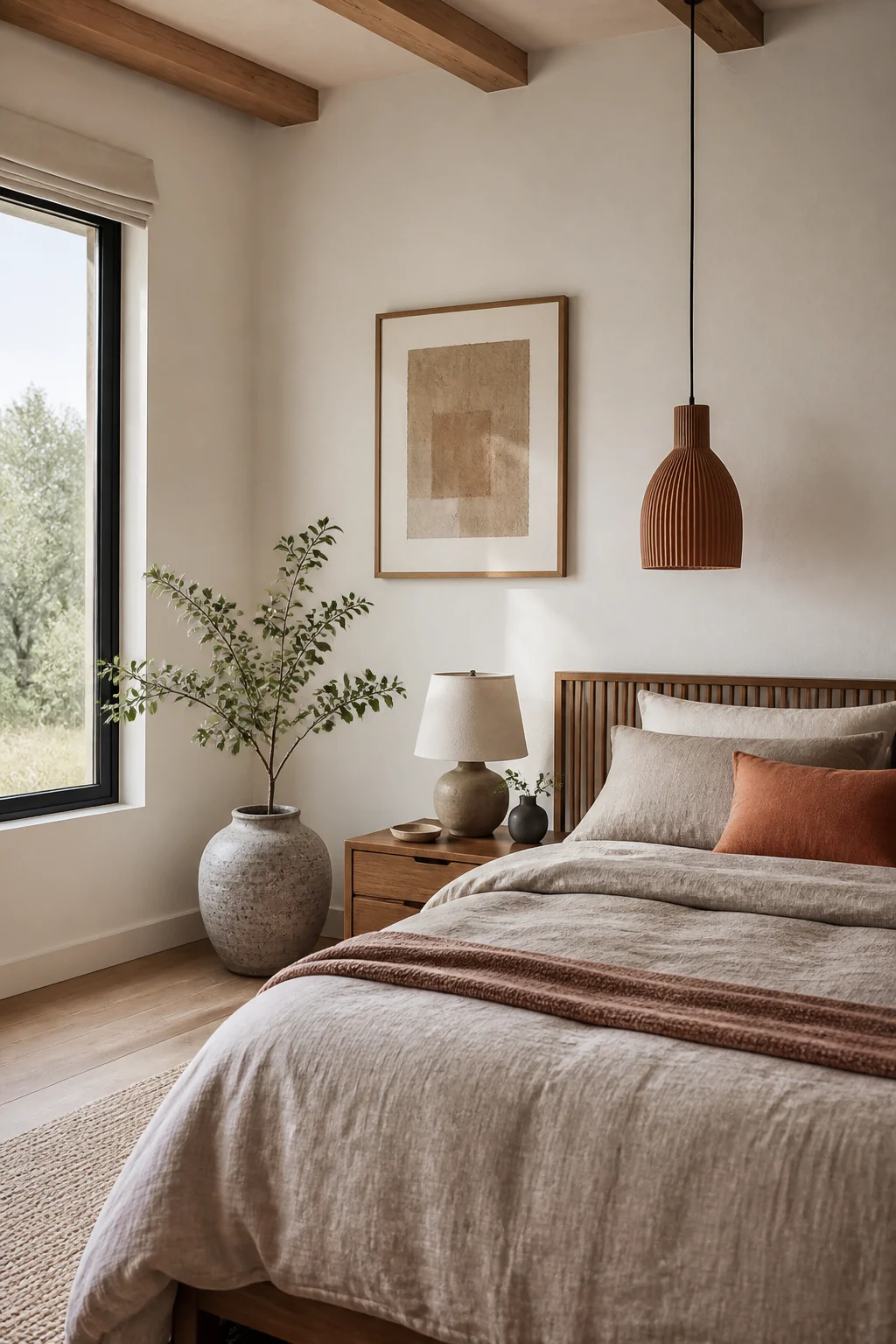
Where you can, leave the ceiling fixture off entirely and let one piece carry the room: a sculptural floor lamp, or a single pendant hung beside the bed, in matte black or pale wood, with a paper or linen shade that diffuses the bulb instead of aiming it at you.
Test the drop with your hand before you fix the cord. Propped against the headboard the way you'd read, reach out to where the shade will hang: the bottom of it wants to sit 20 to 26 inches above the mattress top, which is roughly your own shoulder height in that position. Hang it any lower and you catch the bulb in your eye every time you roll over. If there's no junction box where you want the light, a plug-in swag cord kit costs $20 to $35 and saves you an electrician.
For the bulb, a 2700K warm white LED at around 800 lumens gives you the old 60-watt glow. Put it on a dimmer. Then keep one small task light somewhere in the room, because a single soft fixture will not help you find a black sock in a drawer at 6am. Pendants run $60 to $200, floor lamps $80 to $250.
5. Invest in quality, minimal bedding
Natural fibers only: linen, cotton, wool. Hold the palette to whites, creams, grays and very soft blues, because the bed is the largest soft surface in the room and it sets the volume for everything else.
With linen, look at the weight before the thread count. Something in the 165 to 190 gsm range holds up under weekly washing, while lighter weaves go thin at the seams inside a year. Washed linen keeps softening through the first six to ten laundry cycles and never really stops. If you'd rather have crisp than rumpled, cotton percale is the better call: matte, cool to the touch, and it presses flat. Sateen carries a sheen that looks glossy against wood and linen.
Check inside the duvet cover for corner ties. Without them the insert migrates into a lump at one end and no amount of shaking brings it back. A linen cover costs $80 to $150, percale $50 to $90. Add one wool or chunky knit throw folded across the foot in cream or soft gray, and the bed is done.
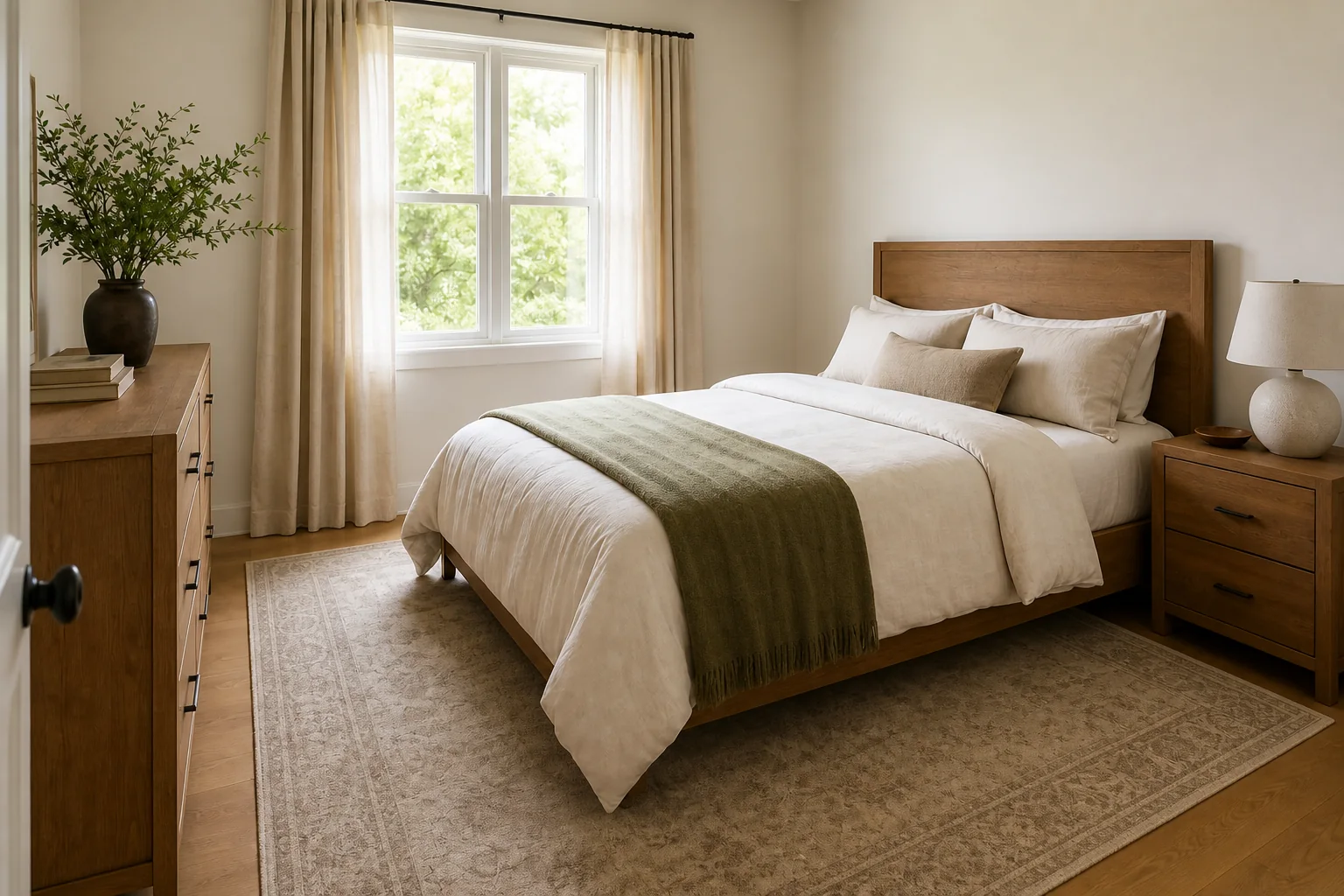
6. Incorporate a low wooden bench at the foot of the bed
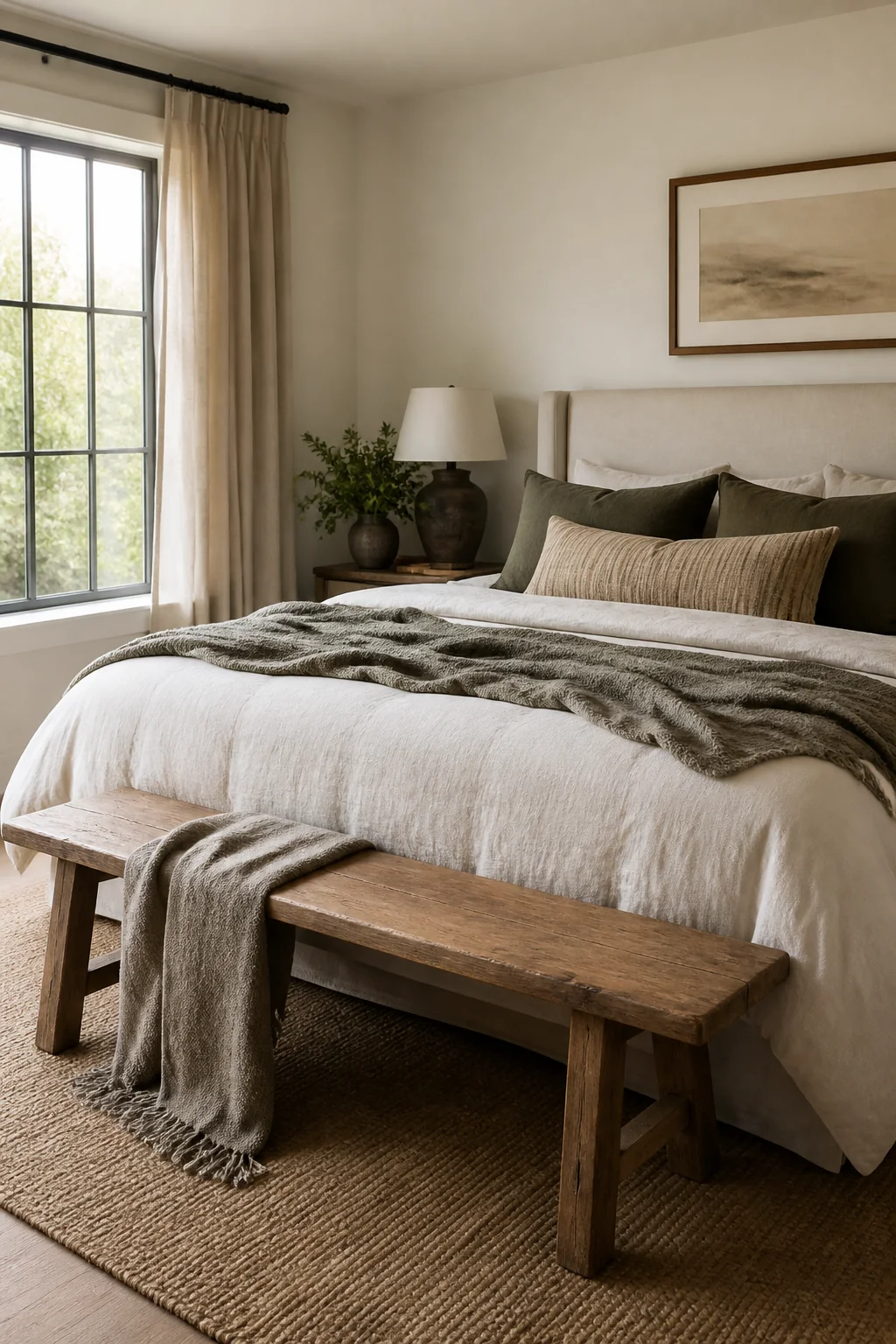
A backless wooden bench around 36 inches wide sits well at the foot of a queen, which is 60 inches across. That leaves about a foot of open frame at each end, so the bench reads as an object in the room rather than a barricade across it. Aim for a seat height of 17 to 19 inches, level with the mattress top or a couple of inches below, which is the comfortable range for pulling shoes on.
Measure the walking gap before you buy. You want at least 24 inches between the bench and whatever sits behind it, and closer to 30 or 36 inches if that's the main route to the closet. In a room shorter than roughly 11 feet, a bench simply eats the path.
Look underneath at the joinery. A seat slab with stretchers running between the legs takes sitting weight for decades; legs butt-jointed straight to a thin top will rack and wobble within a year. Secondhand benches turn up for $50 to $100, new ones run $150 to $300.
7. Use woven natural fiber baskets for storage
Rattan, seagrass or bamboo baskets tucked under a floating shelf or beside the bed give you hidden storage with visible warmth, and none of the visual noise of plastic bins. Two matching baskets, not six mismatched ones: one for spare blankets, one for books or chargers. That's the whole storage budget for the room.
The fibers behave differently, so pick by job. Seagrass is stiff and keeps its shape under weight. Water hyacinth is softer and slumps once you load it heavy. Rattan is the most durable of the three and the most expensive. Expect $25 to $60 apiece, more for large lidded shapes.
Measure before you order, especially the gap beneath a floating shelf: a shelf mounted 14 inches off the floor will not take a 16-inch basket, and one that won't slide fully under looks like a misjudgement rather than a choice. If you're storing wool in there, drop a plain cotton bag inside first, since loose fibers snag knits. And keep baskets away from radiators and damp corners, where natural fiber goes brittle or mildews.
8. Hang simple linen curtains from ceiling to floor
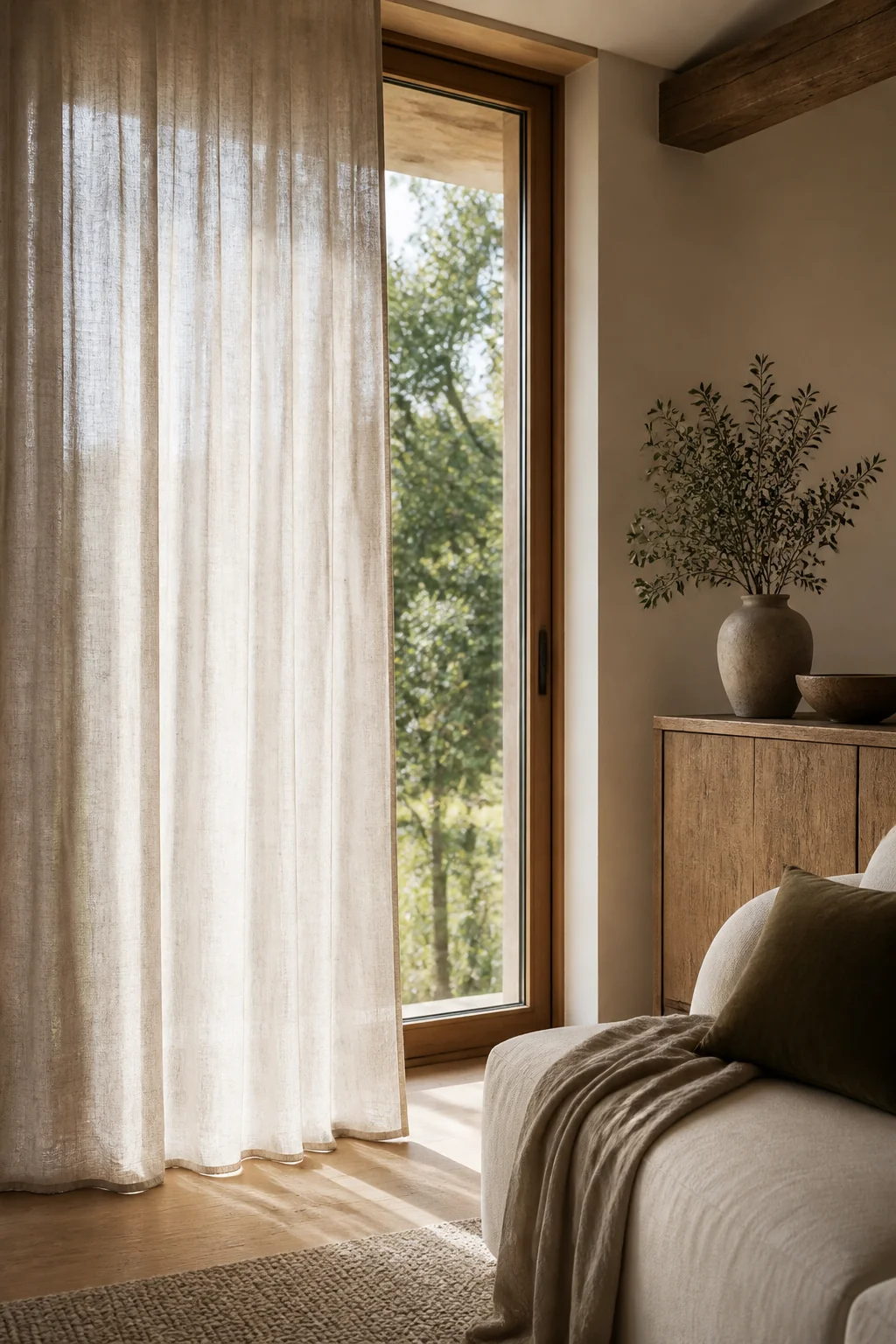
White or cream linen panels on a minimal black or pale wood rod give you softness without fuss, but only if the rod goes high and wide. Hold a pencil to the wall 4 to 6 inches under the ceiling line and mark your bracket height there rather than at the top of the trim, then measure 8 to 12 inches out from each side of the frame and mark again. Those outer marks are what give the gathered panels bare wall to sit on when they're open.
Fixing the rod level with the top of the window frame is the misstep worth checking for here. It draws a hard line partway up the wall, the ceiling drops visually, and the window ends up looking stunted. Total panel width wants to be roughly two to two and a half times the window width, or the linen hangs flat and limp rather than falling in folds.
Let the hems break on the floor with a 1 to 2 inch puddle for the soft look, or stop half an inch above it if you'd rather vacuum without lifting anything. A pair costs about $60 to $120 depending on size. Linen filters daylight and blocks almost none of it, so if you need real darkness, add a plain roller blind inside the frame.
9. Add a single large area rug in a neutral tone
One rug, solid color, texture instead of pattern. Cream, soft gray or natural undyed wool, with a chunky weave doing the visual work so nothing has to demand attention.
Size it off the bed rather than the room. A rug should reach 18 to 24 inches past the sides and the foot of the bed, which for a queen means an 8x10 if you want the whole thing floating on wool. The cheaper move is a 6x9 pushed up under the lower two thirds of the bed: your feet land on something warm when you get up, and you're not paying for rug that lives permanently under the headboard.
Material sets both price and feel. Wool runs roughly $200 to $600 at that size, wears well and stays warm underfoot. Jute is $100 to $250 with beautiful texture, but it's genuinely scratchy on bare feet, so keep it for a rug you mostly look at. Add a pad at $30 to $60; it stops the creep and absorbs the abrasion that would otherwise wear the pile flat.
10. Display one or two pieces of minimal wall art
One large framed print, three matching frames in a row, or a single woven textile hanging. Abstract or nature-inspired, muted, with clean lines and no busy detail.
Before anyone marks the wall, have someone hold the piece flat against it while you run a tape from the floor to its center. You're looking for a reading between 57 and 60 inches, the height museums work to and part of why their walls feel so restful to walk through. Over a bed or a bench, drop the arrangement lower so its bottom edge sits 6 to 10 inches above the furniture, close enough that the two read as one group instead of two unrelated things. Measure the furniture as well, then keep the art to about two thirds of that width. For a trio, leave 2 to 3 inch gaps and treat the whole set as a single rectangle when you measure.
Oak or ash frames with a wide off-white mat, 2.5 to 3 inches, suit the palette; skip gold and ornate profiles. Frames run $20 to $60. Check one thing before you drill: glass hung opposite a window mirrors it back all afternoon. Anti-reflective glazing or an unglazed canvas solves it.
11. Introduce live plants in simple ceramic pots
Two plants, maximum. A snake plant, a ZZ plant or a bamboo palm in a plain cream or gray ceramic pot, one on the nightstand and one standing in a corner.
Bedrooms tend to be the coolest and darkest room in the house, which is exactly why the tough species belong here. A snake plant tolerates low light and wants water about every three weeks. A fiddle leaf fig needs bright indirect light and sulks whenever it's moved, so in a north-facing room it's the one most likely to drop its leaves and leave you with a bare stick in a nice pot.
Buy a pot with a drainage hole and a saucer, or leave the plant in its nursery pot and lift it out to water over the sink. Sealed decorative pots quietly drown roots, and overwatering kills far more houseplants than forgetting does. Push a finger two inches into the soil before you reach for the watering can; if it's damp down there, wait. A 6-inch plant costs $15 to $25 and a ceramic pot $10 to $30.
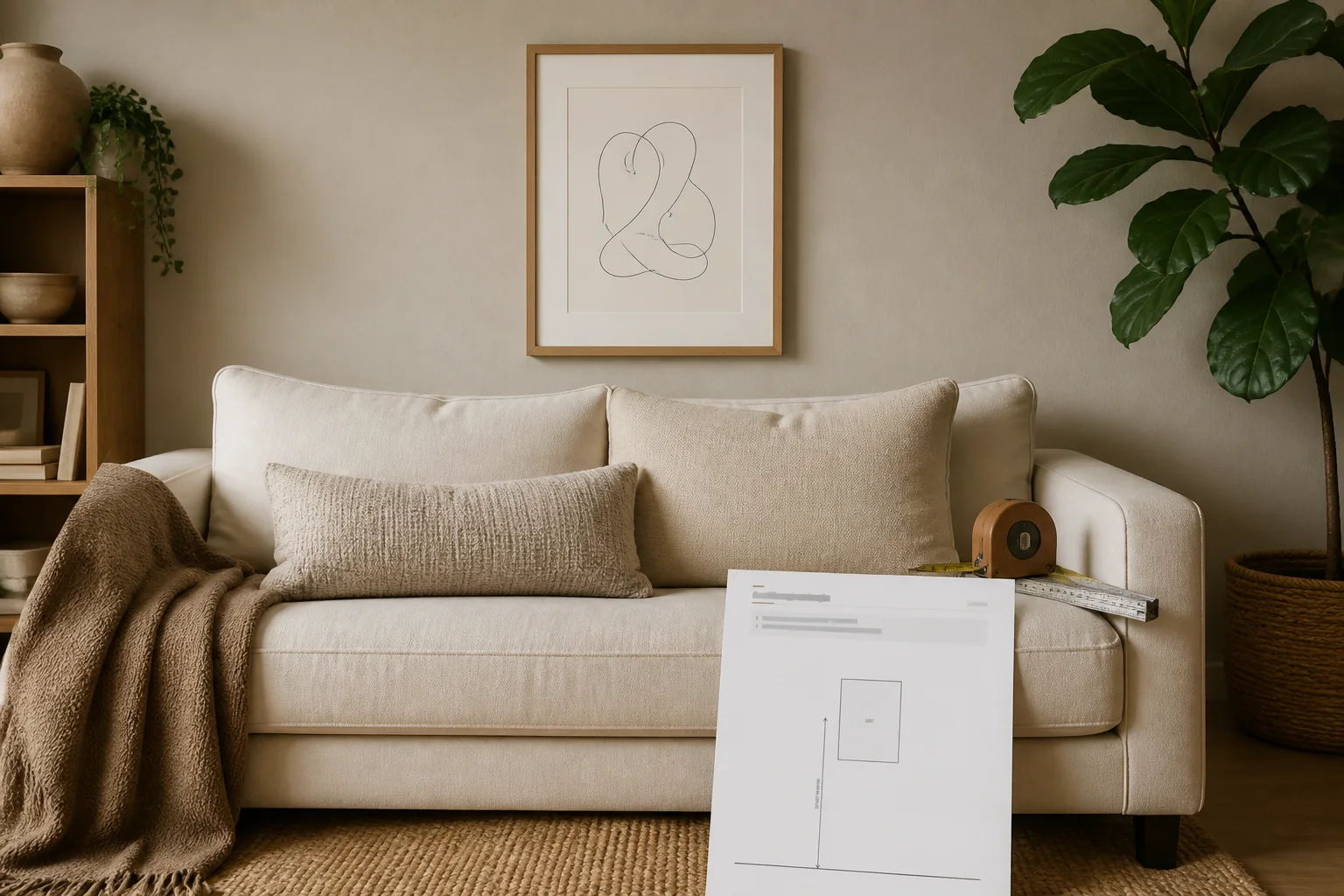
12. Create a small meditation corner with floor cushions
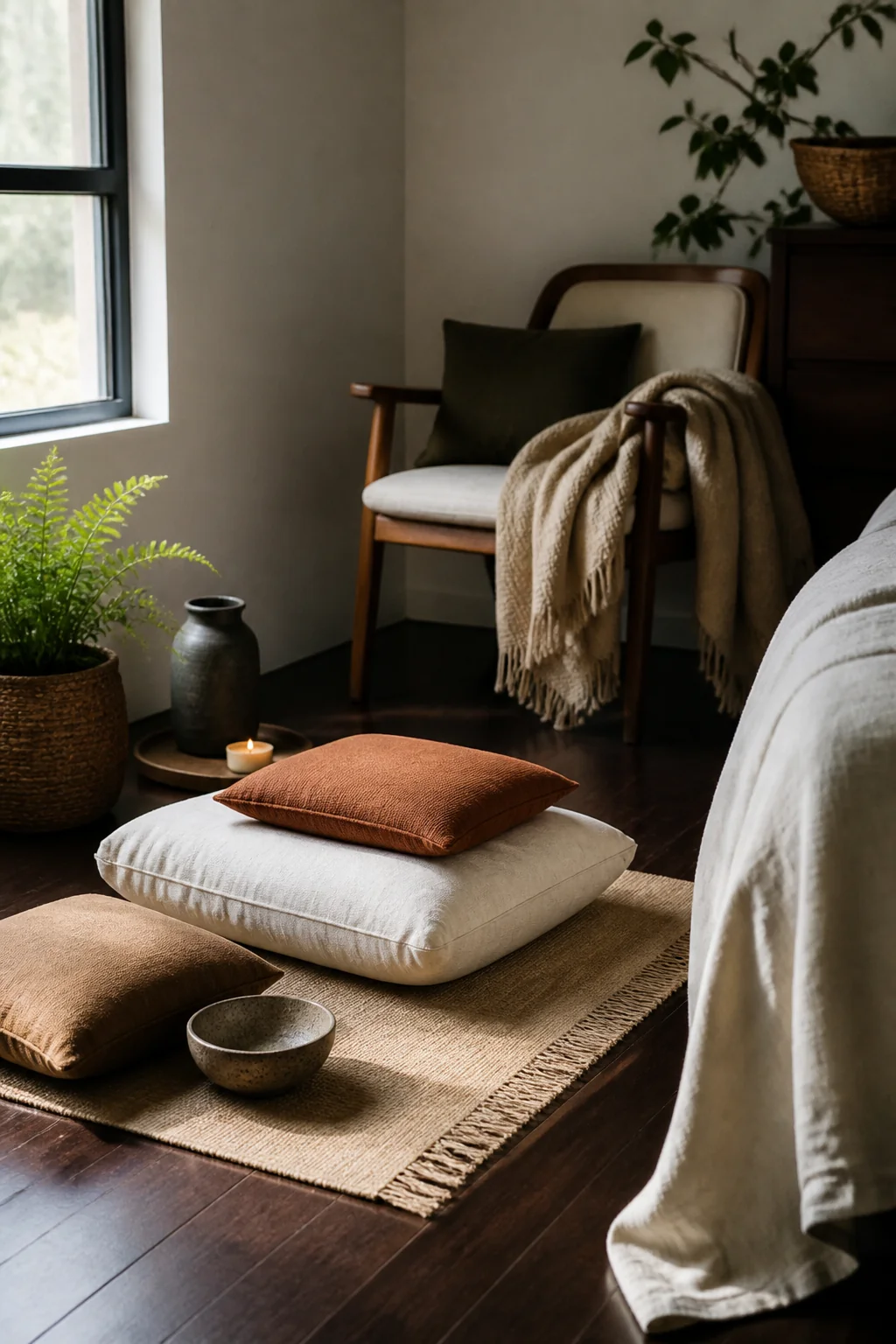
Give one corner about 3 feet square of clear floor, with a low cushion and a woven blanket folded nearby. Three feet is the smallest footprint that lets you sit cross-legged with the blanket over your knees and still feel like a separate place rather than a gap between furniture.
A floor cushion costs $40 to $60, whether that's a flat zabuton around 30 inches square or a round pouf roughly 20 inches wide and 14 inches tall. If you plan to sit there and breathe rather than just look at it, add a firm zafu on top: lifting your hips 5 to 7 inches above your knees is what keeps your legs from going numb after ten minutes. A small side table 16 to 20 inches high holds tea or a book.
Placement decides whether the corner gets used. Put it where morning light lands, clear of the door swing and off the walking route to the closet. A cushion sitting in a traffic lane becomes a laundry pile by Thursday.
Save this for your next project
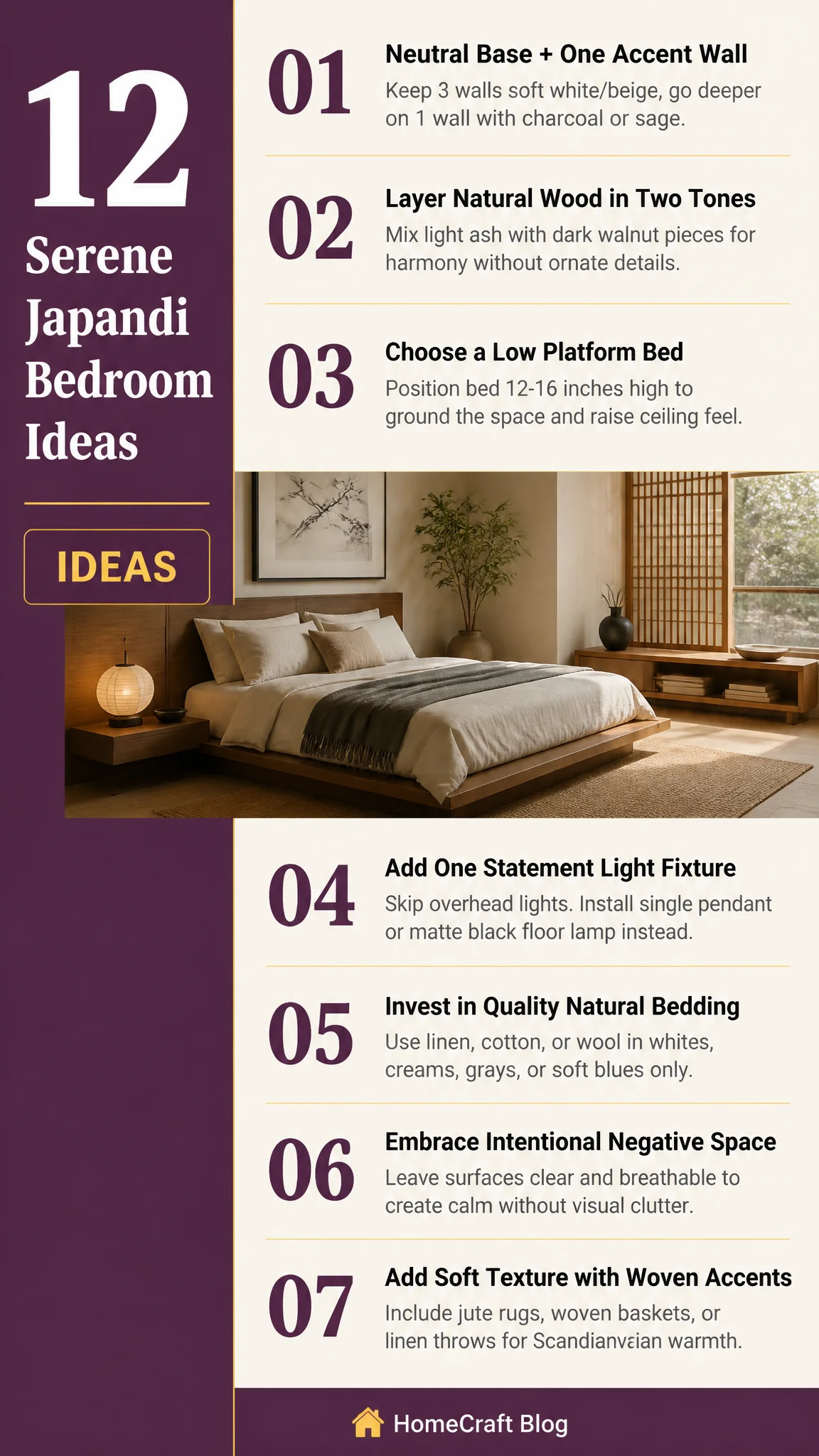
The hardest part of Japandi isn't sourcing the right bench or the right basket. It's leaving the space around them alone afterwards. Every idea on this list quietly comes undone the moment a second rug, a third plant and a stack of decorative books land in the room. If a piece isn't doing a job, and isn't quietly beautiful on its own, the room is better without it.
Ideas fade by Friday. A plan finishes the room.
You just read a full guide to your bedroom. Saving ideas will not change it; a plan will. The Home Decor Collection is every planning tool we make, for every room in the house, in one download, so the after photos below stop being other people's rooms.
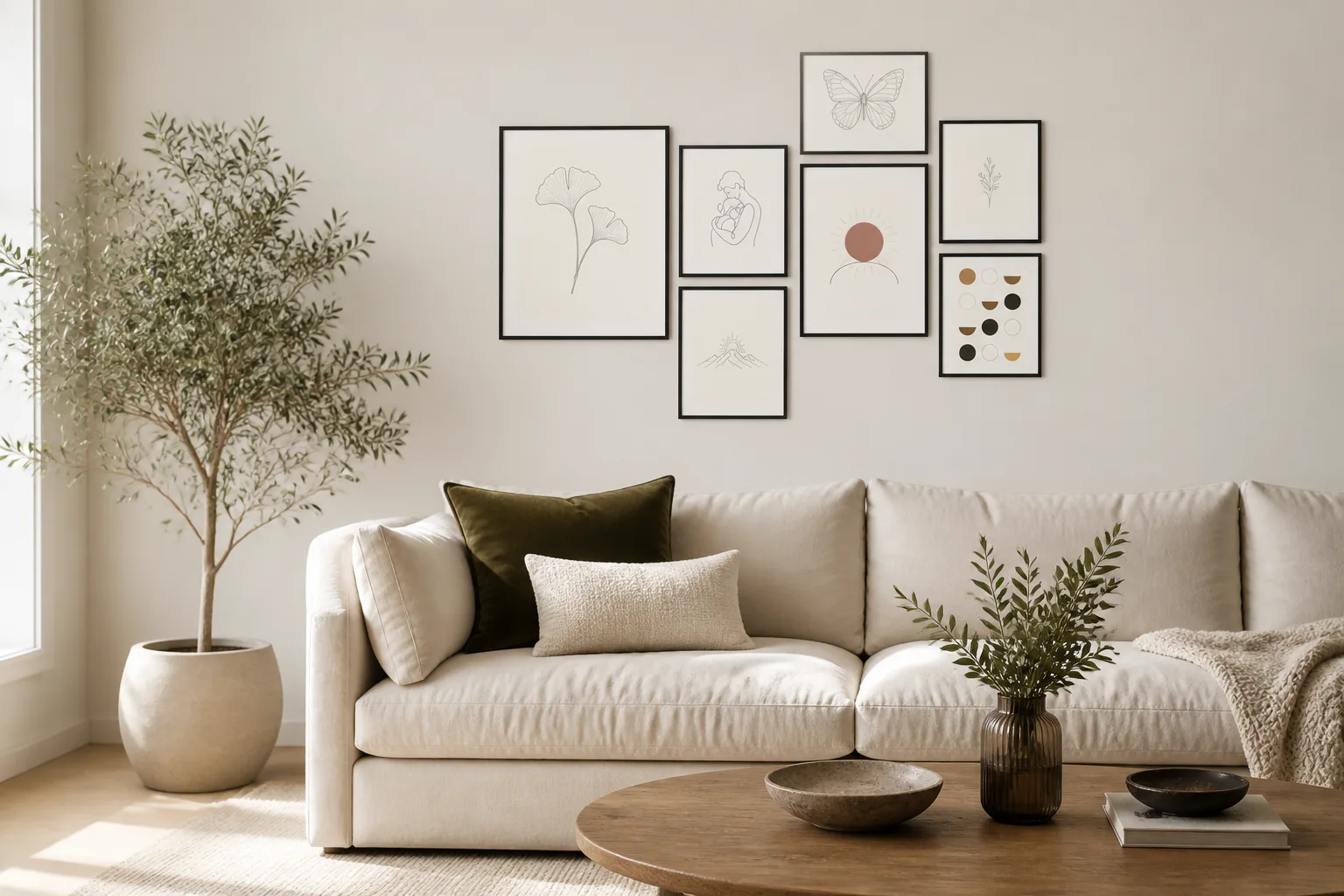
- Six room Style Kits, each with layout, palette and shopping list$114
- The Gallery Wall Studio: 200 prints + 15 measured layouts$29
- The Room Makeover System: 40 solved room layouts + workbook$29
- The Color Palette Handbook: 60 palettes shown in real rooms$19
- The Whole-Home Reset: 40 printable organizing checklists$19
- The Decorator's Cheat Sheets: the 40 measurements that matter$9
- All eleven products, bought separately
$219$97
A single hour with an interior designer costs more than the entire Collection, and this one keeps answering for every room you will ever decorate. Free updates included as the products grow. And if it is not for you, the 14 day money back promise means you simply get a refund.