Set a Thanksgiving Table That Feels Intentional, Not Overdone
Thanksgiving table setting ideas that skip the fuss. Balance proportion, color, and centerpieces so everything feels intentional instead of cluttered.
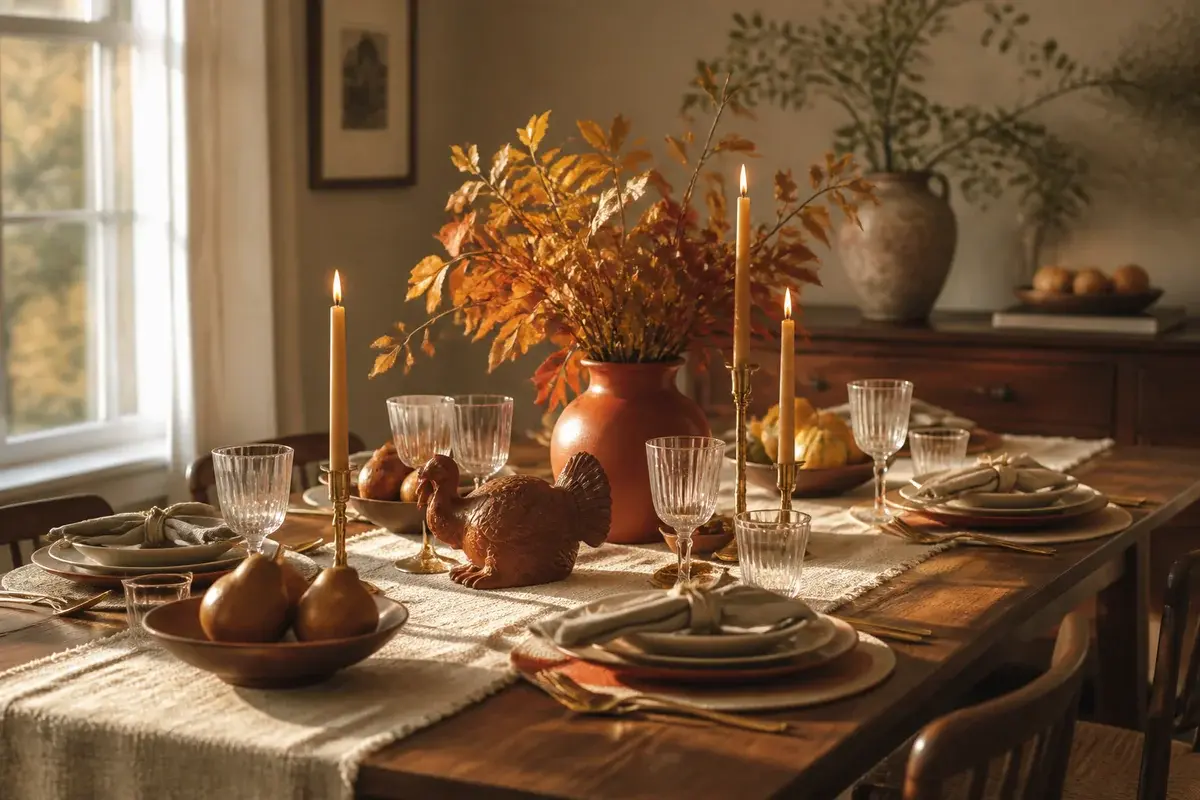
A table that feels intentional has restraint built in: you see the cloth, the place settings, the centerpiece, and they talk to each other instead of shouting over each other. What usually stops you getting there is doing too much at once - adding a runner, plus chargers, plus a place card at every seat, plus a small gift, plus florals spilling everywhere, all because you've seen it done that way online. The truth is simpler: fewer things, placed with purpose, will always feel more pulled-together than a table crowded with every Thanksgiving decoration you own.
Start with cloth and color as your foundation
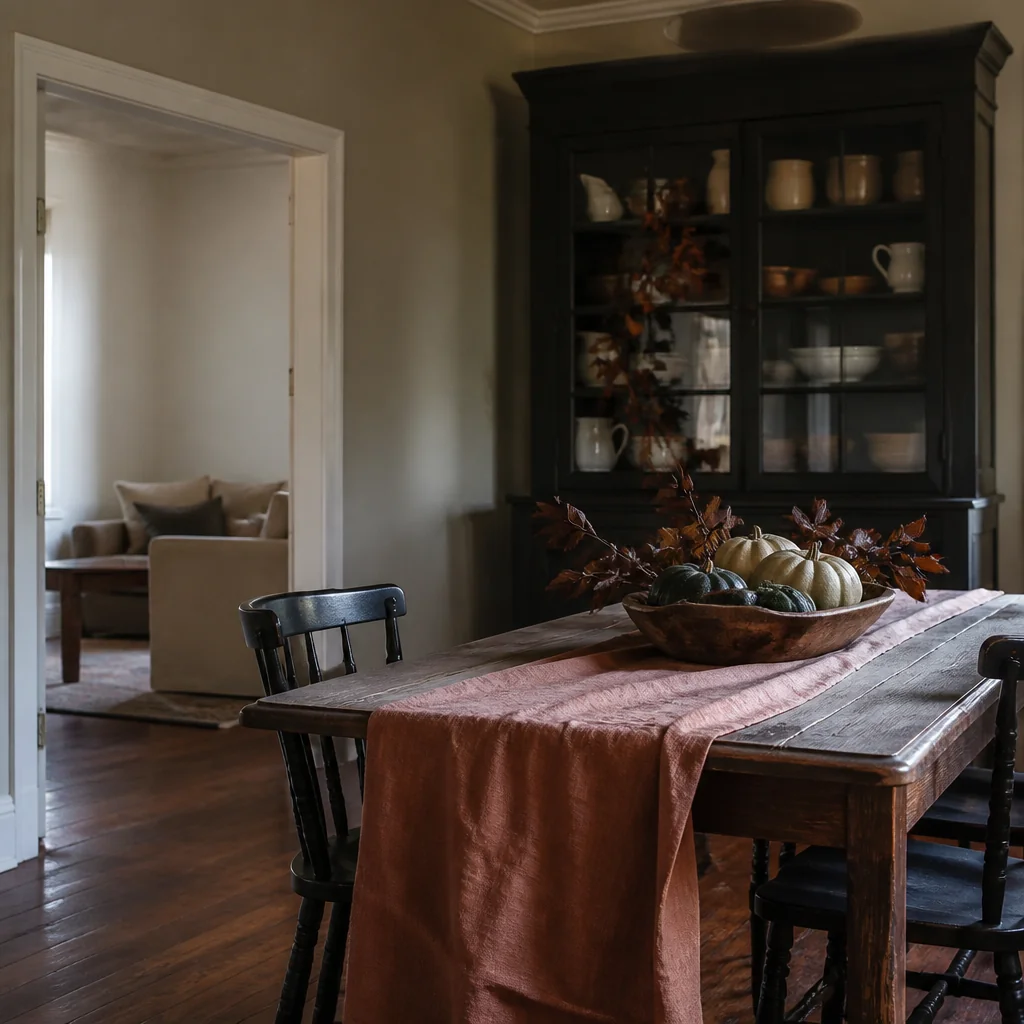
The tablecloth or runner sets the mood for everything else. Pick one, not both - a cloth under a runner under napkins creates a tangled visual mess that actually makes place settings harder to see. A good linen or cotton blend in a neutral - cream, gray, or soft taupe - costs about $35 to $60 and gives you a clean backdrop that won't compete with food or flowers. If you want color, bring it through the cloth itself: a rust or deep gold is warm without feeling costume-y the way orange does around food.
Once your base is decided, choose a napkin color that either matches the cloth or contrasts it clearly. Matching reads elegant. A contrasting napkin in a jewel tone - forest green, deep burgundy, navy - reads intentional. What doesn't work is a napkin in a color between the two: a tan cloth with a tan-gold napkin just looks indecisive. Linen napkins wrinkle beautifully and cost about $2 to $4 each; cotton blends run a dollar or two less and stay flatter if that's your preference.
Place settings need breathing room
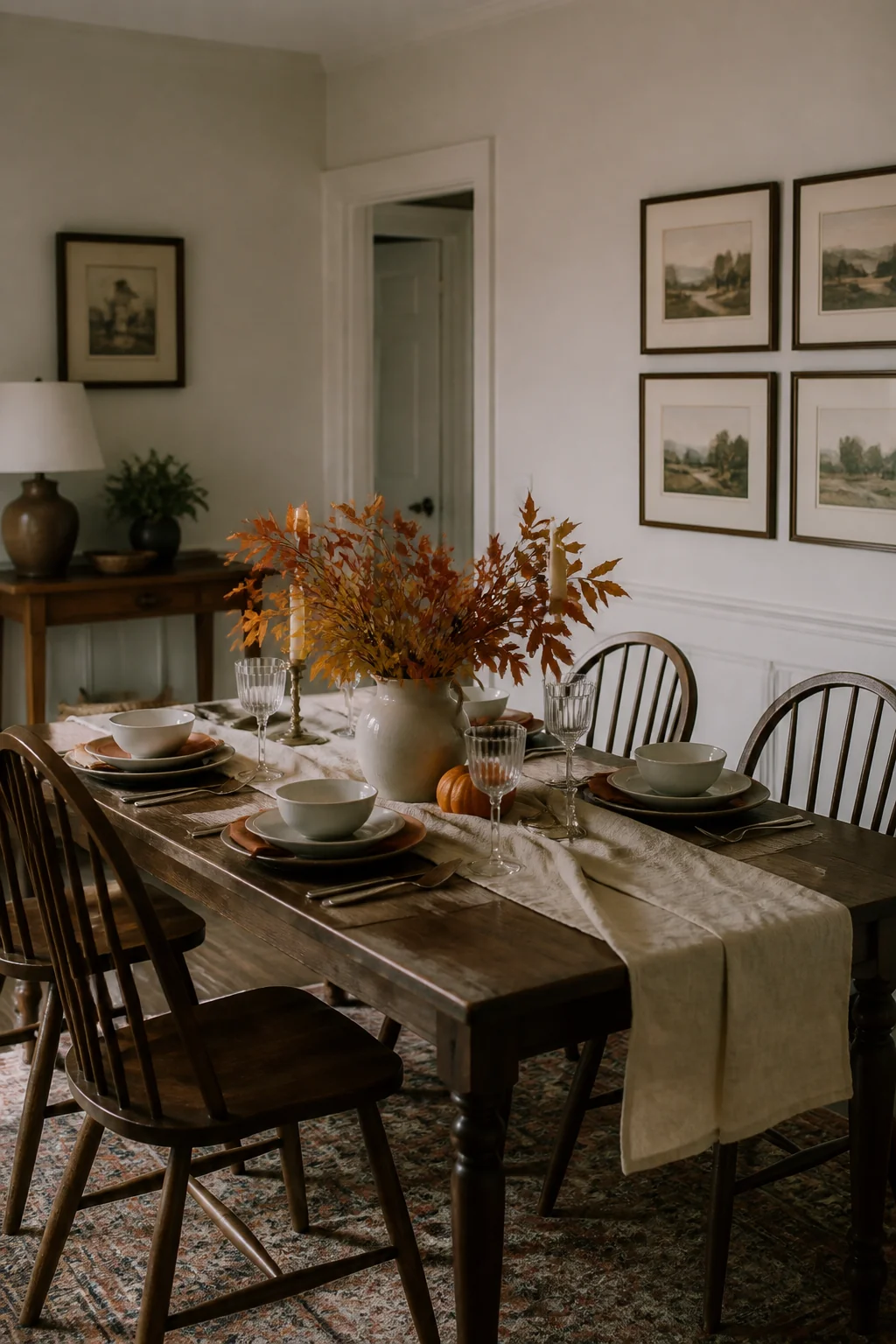
Here's where proportion matters most. Each person needs about 24 inches of table width to eat comfortably - that's measuring from the center of one place to the center of the next. Crowding people closer than that makes the table look chaotic no matter how perfect the plates are. If your table is 36 inches wide, you can seat two people side by side with room to move. A 48-inch table takes three, though that's tight for a whole meal.
The actual plates are simpler than you think. A dinner plate (10 to 11 inches) on a larger charger (12 to 13 inches) creates proportion without looking fussy - the charger frames the plate instead of drowning it. Skip multiple layers (salad plate on dinner plate on charger on cloth), which just eats up your precious 24 inches and makes it harder for people to reach their food. Chargers cost about $3 to $8 each at retail, and a good neutral tone in gold, silver, or dark gray works with any cloth color.
The centerpiece should not block conversation
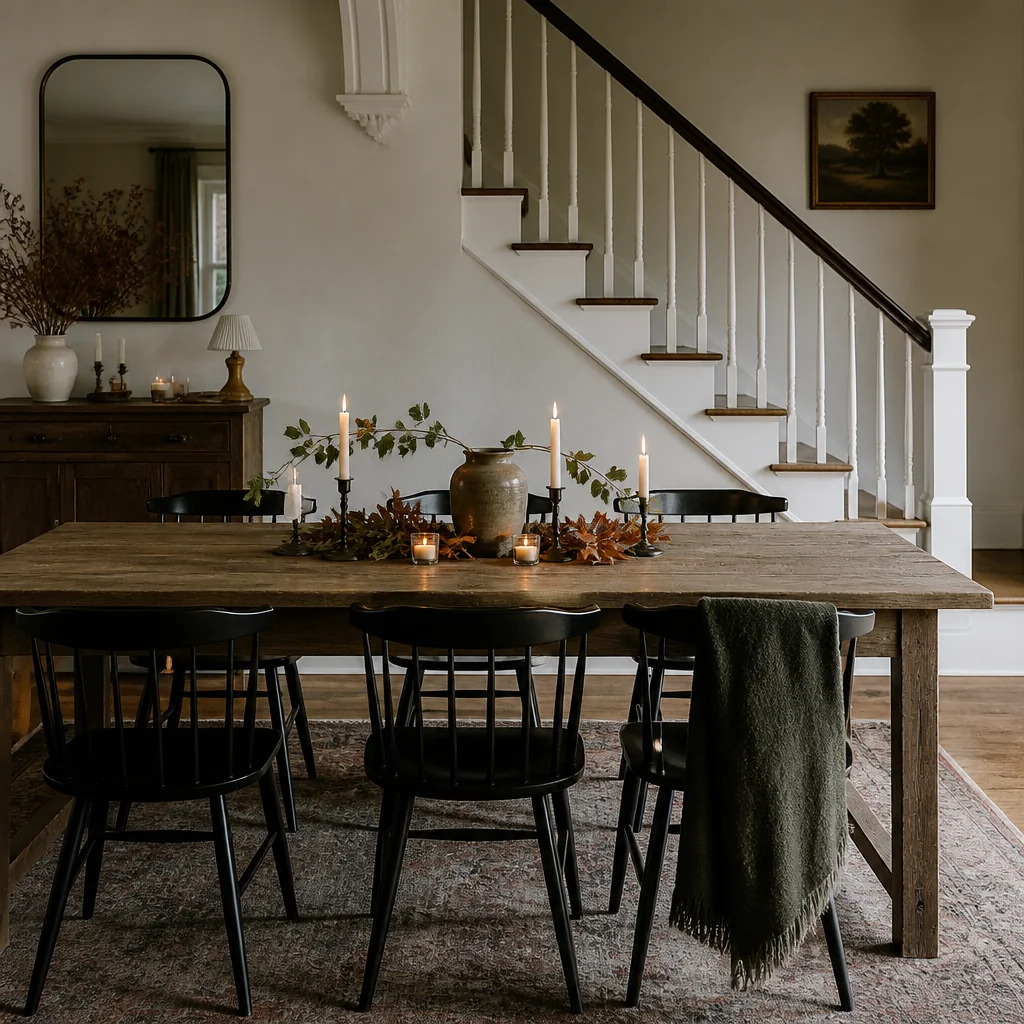
A low arrangement - flowers, branches, candles, gourds - keeps people's sightlines clear across the table. Anything taller than 12 inches at the center forces people to lean or peer around it, which instantly makes a table feel awkward instead of intimate. A long, low arrangement running down the middle of the table (if you have a wide table) works better than a single focal point at the head.
Greenery and branches cost less than flowers and often look more sophisticated. Think eucalyptus, birch branches, or dried wheat with a few seasonal flowers woven in - not a dense floral arrangement. A florist will make a custom 18 to 24-inch low arrangement for about $40 to $60. If you're arranging it yourself, use a low vase (4 to 6 inches tall), fill it loosely, and let stems cross and angle rather than creating a dome shape. This feels more natural than a tightly constructed look.
Candles create the lighting your table needs
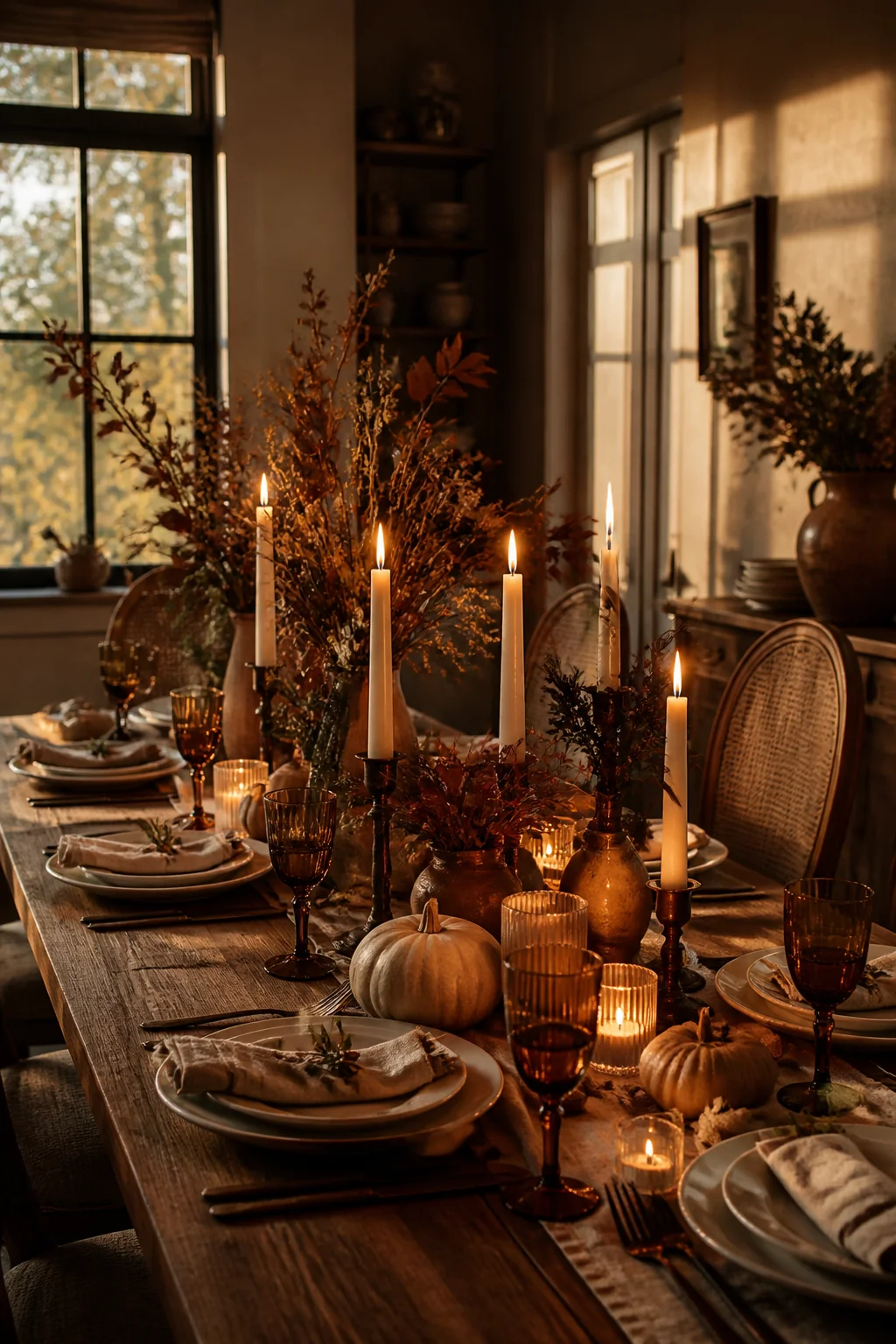
Unscented pillar candles in cream or white, scattered among place settings or clustered at the base of your centerpiece, create soft pools of light that make food look good and people look better. Dim your overhead lights by half. This single move makes any table feel more composed than having all your lights at full brightness.
Two or three candles per person's place setting is enough (so 8 to 12 for a table of four to six). Unscented ones run about 50 cents to a dollar each in bulk. Scented candles near food compete with the smell of dinner, which is a mistake.
Place cards anchor the table without overdoing it
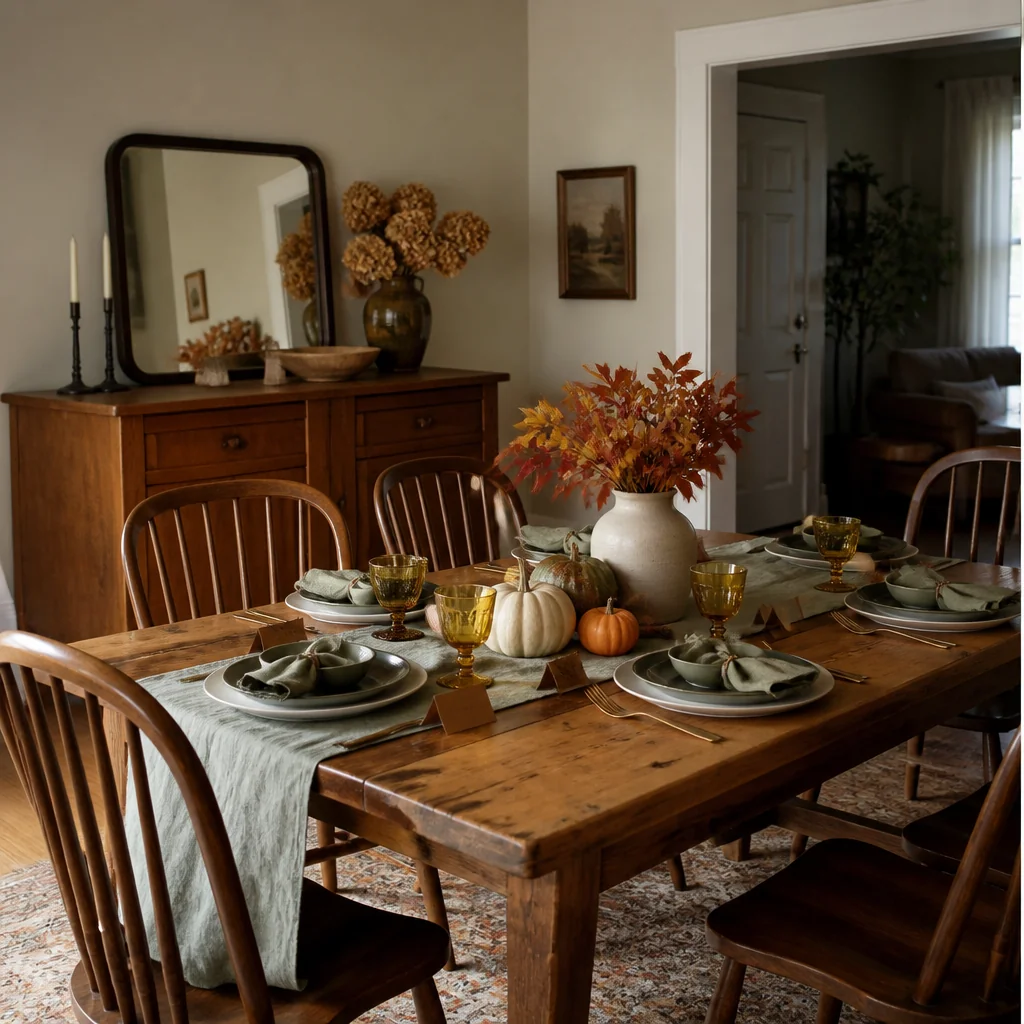
A simple card at each seat - just a name in a clean font, handwritten or printed - tells people you planned this. You don't need elaborate stands or ornate cards. A folded card stock (about 2 by 3 inches) in cream or a color that echoes your napkins, propped against the napkin or leaning on the charger, is enough. Handwritten names feel personal without feeling precious. If you're printing, use a readable serif font at 14 to 18 points.
Skip the small gift at each place, the tiny pumpkin, the place card holder shaped like a turkey. Those details are what tip a table from intentional into overcrowded.
Let the food speak on good plates
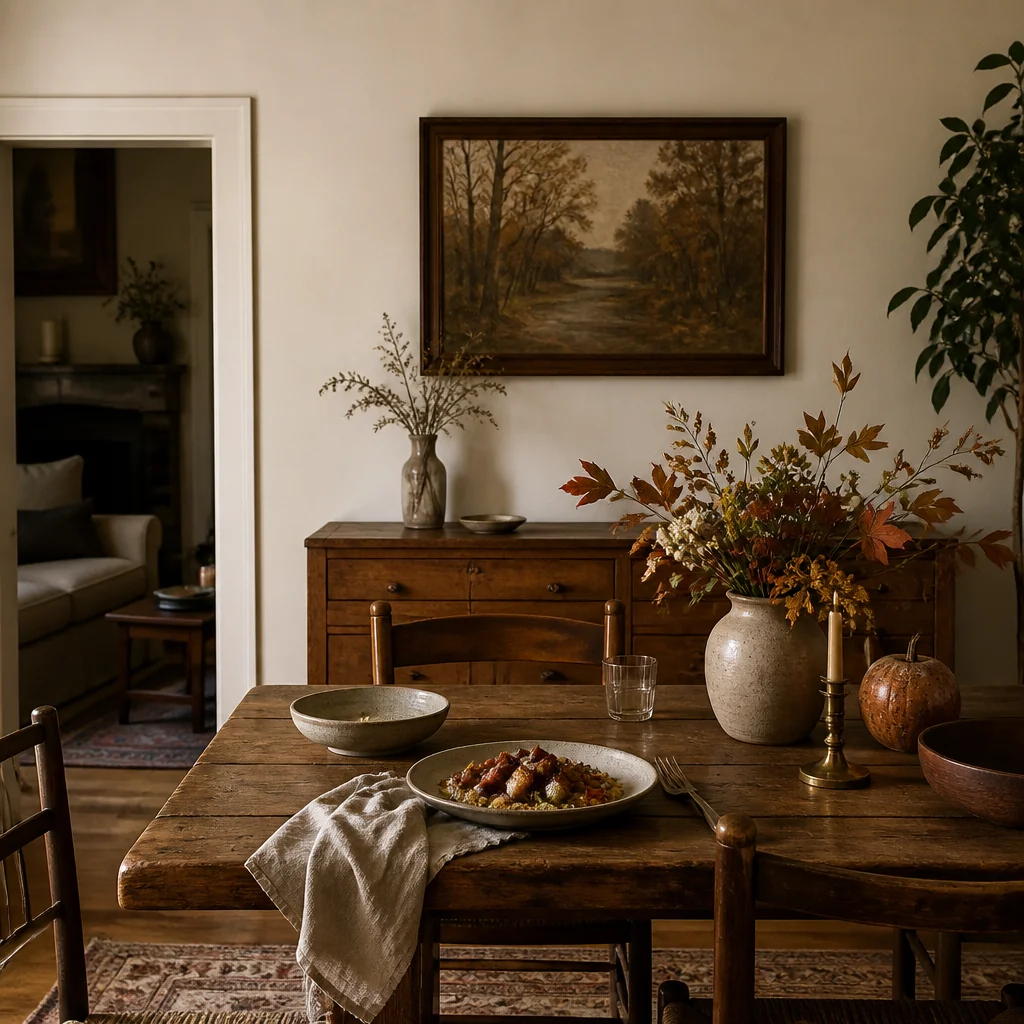
Your plates don't need to match perfectly - a mix of white or cream plates in the same general style (all clean lines, or all with a subtle rim, but not wildly different) looks curated. Vintage plates in a single pattern look even more considered. What doesn't work is mixing three different patterns, which reads chaotic instead of eclectic.
White or cream dinnerware costs about $10 to $25 per place setting in basic quality, and nearly every household already has something close. Use what you have. Your food is the star, not the dishware.
One final principle: restraint over abundance
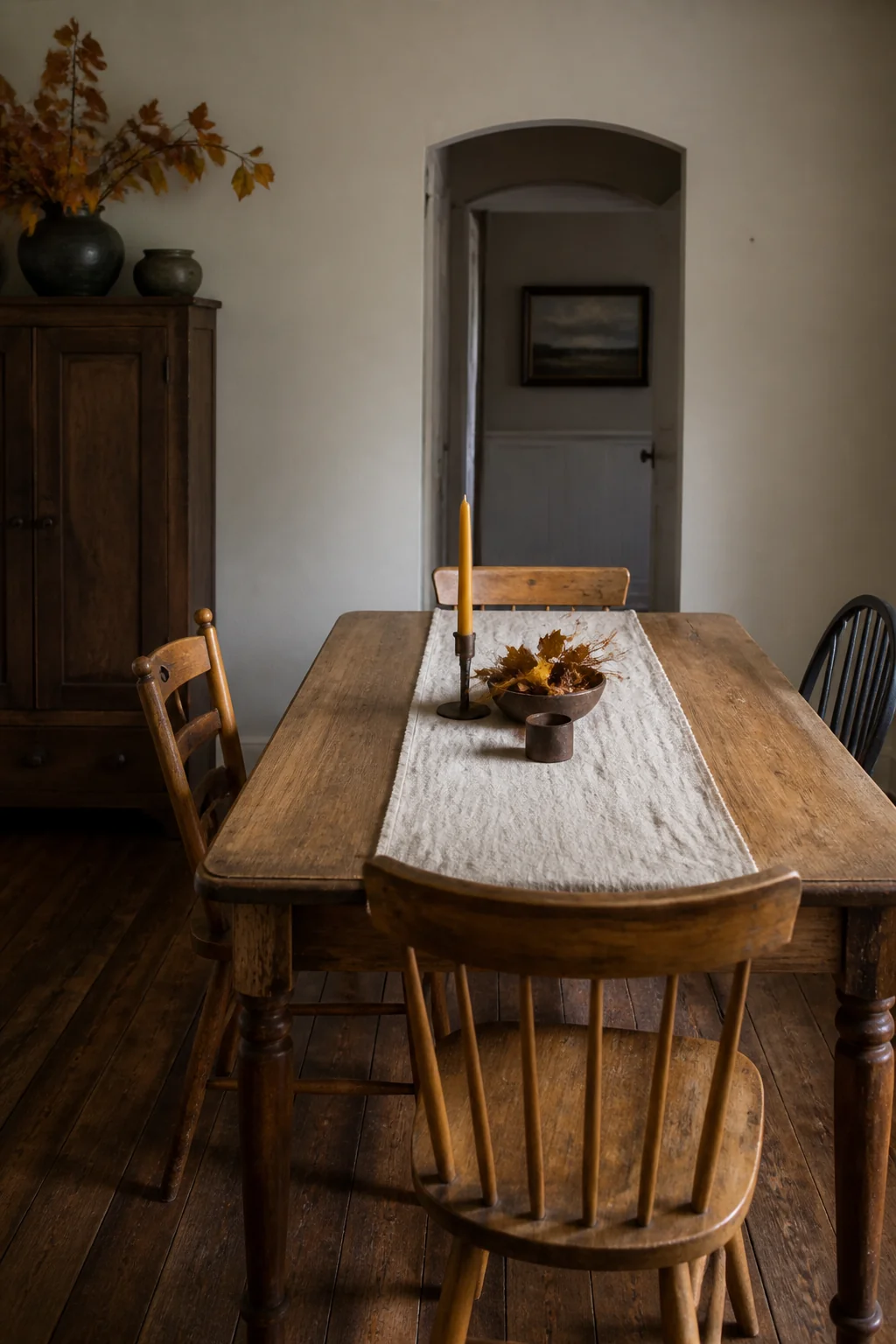
A table with space between elements, with clear sight lines, with breathing room between guests, will always feel more thoughtful than a table crowded with every piece of Thanksgiving decor you've gathered. You don't need a runner and a cloth, flowers and gourds and tiny pumpkins, place cards and place card holders, menu cards and favor boxes. Focus on cloth, centerpiece, candles, napkins, and place cards - let those five elements do the work. Everything else just competes for attention and dilutes the impact.
Take the guide with you
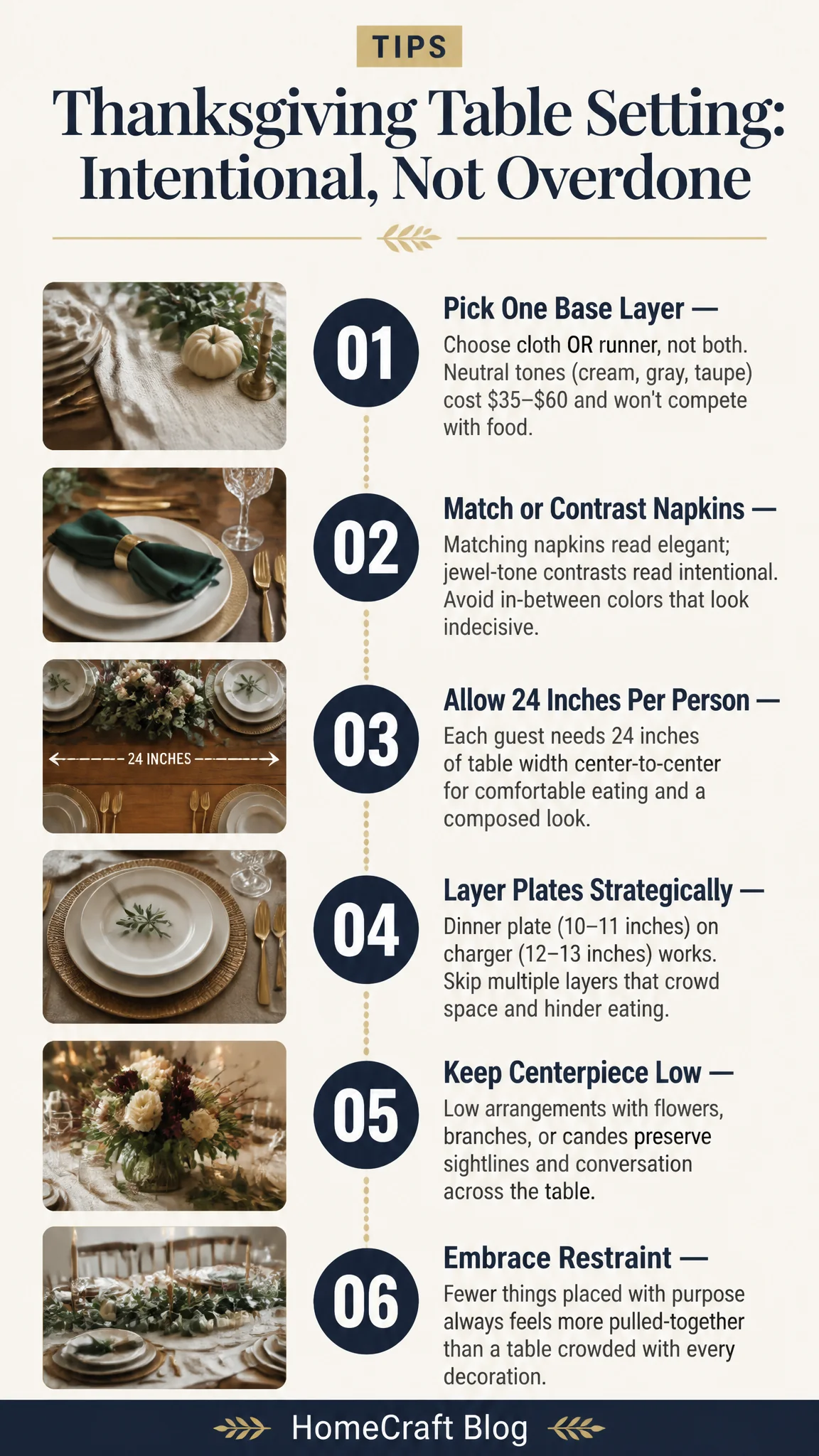
For thanksgiving table setting ideas that actually feel cohesive, this approach to restraint makes the difference. Your guests will notice the calm, the space, and the thoughtfulness far more than they'd notice an abundance of decor.
Ideas fade by Friday. A plan finishes the room.
You just read a full guide to your home. Saving ideas will not change it; a plan will. The Home Decor Collection is every planning tool we make, for every room in the house, in one download, so the after photos below stop being other people's rooms.
- Six room Style Kits, each with layout, palette and shopping list$82
- The Gallery Wall Studio: 200 prints + 15 measured layouts$24
- The Room Makeover System: 40 solved room layouts + workbook$29
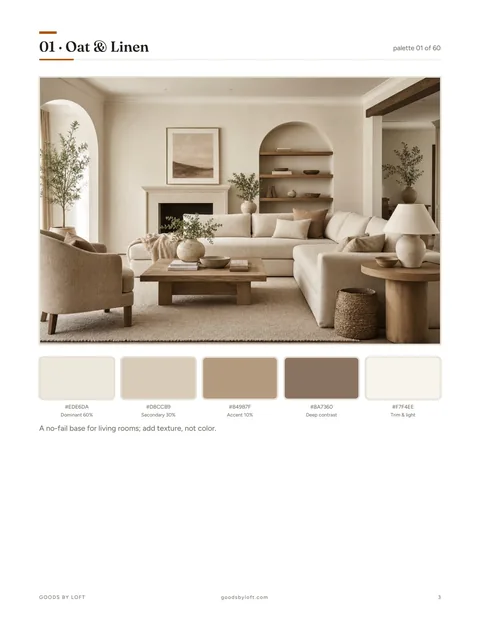
- The Color Palette Handbook: 60 palettes shown in real rooms$19
- The Whole-Home Reset: 40 printable organizing checklists$9
- The Decorator's Cheat Sheets: the 40 measurements that matter$9
- All eleven products, bought separately
$172$69
A single hour with an interior designer costs more than the entire Collection, and this one keeps answering for every room you will ever decorate. Free updates included as the products grow. And if it is not for you, the 14 day money back promise means you simply get a refund.