5 Living Room Color Ideas With Paint Names and Costs
Five living room color ideas with exact paint names, what two gallons cost, and the light each color needs, plus how to test a shade before you commit.
This post contains affiliate links. As an Amazon Associate I earn from qualifying purchases. If you buy through our links, we may earn a commission at no extra cost to you.
Builder cream has a way of staying on the walls for years, usually because picking a color feels like a $200 bet you could lose, and the beige is at least a bet nobody notices.
Here is what takes the risk out of it. A sample pot costs about $8, a quart about $20, and painting one wall is a two hour job on a Saturday. Paint is the only room-sized change you can undo for the price of dinner.
Below are five colors that hold up in a living room, with the specific paint name, what two gallons run, and the lighting condition where each one stops working. That last part matters more than the swatch. The same greige can read peachy at 8 a.m. and yellow-green at 4 p.m., and no chip in the store will warn you.
1. Warm Greige: The Safe Neutral That Still Has Character
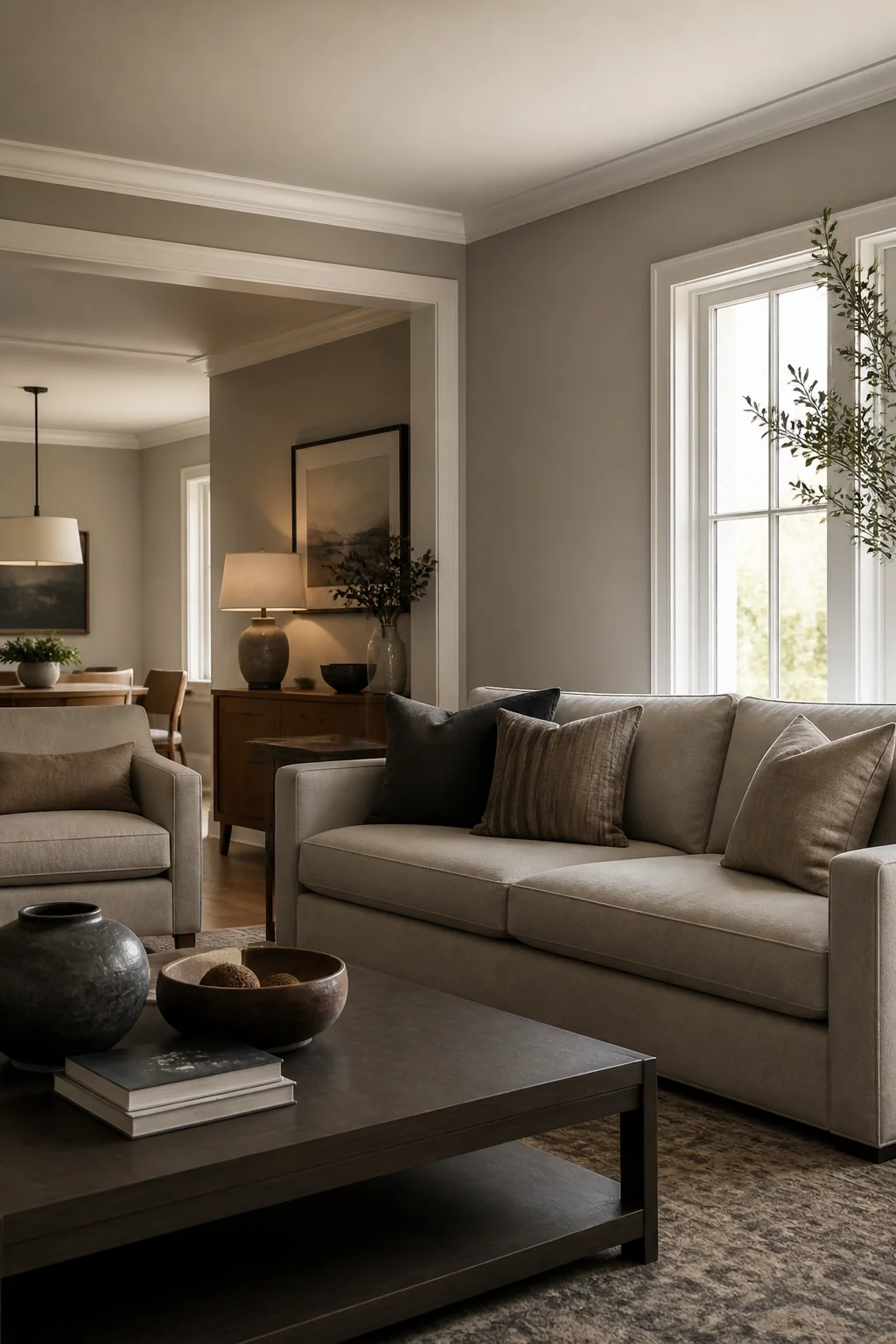
Greige sits between gray and beige: warm enough that it doesn't feel like a hotel lobby, and muted enough to stay out of the way of your sofa.
Sherwin-Williams Accessible Beige (SW 7036) is the one most people land on. Its light reflectance value is 58, near the middle of the 0 to 100 scale, and that middling LRV is exactly why it shifts through the day: slightly peachy in morning sun, flat neutral at noon, warm under lamps at night. Two gallons run about $85 and take a 12 by 14 foot room with 8 foot ceilings through two coats, working from 350 to 400 square feet of coverage per gallon per coat. Rough or never-painted drywall is where that math comes up short, because a porous surface pulls closer to 300.
It also carries a faint green undertone, which is the failure mode. In a room with west-facing windows, that green catches the low orange light after about 4 p.m. and the wall reads yellow-green for an hour. Test in the room the color will live in, not a hallway, and put your sample on the largest wall rather than the one facing the window. A window-facing wall is washed with direct light and always reads a shade lighter than the rest.
2. Deep Navy: The Dark Color That Gives a Room Depth
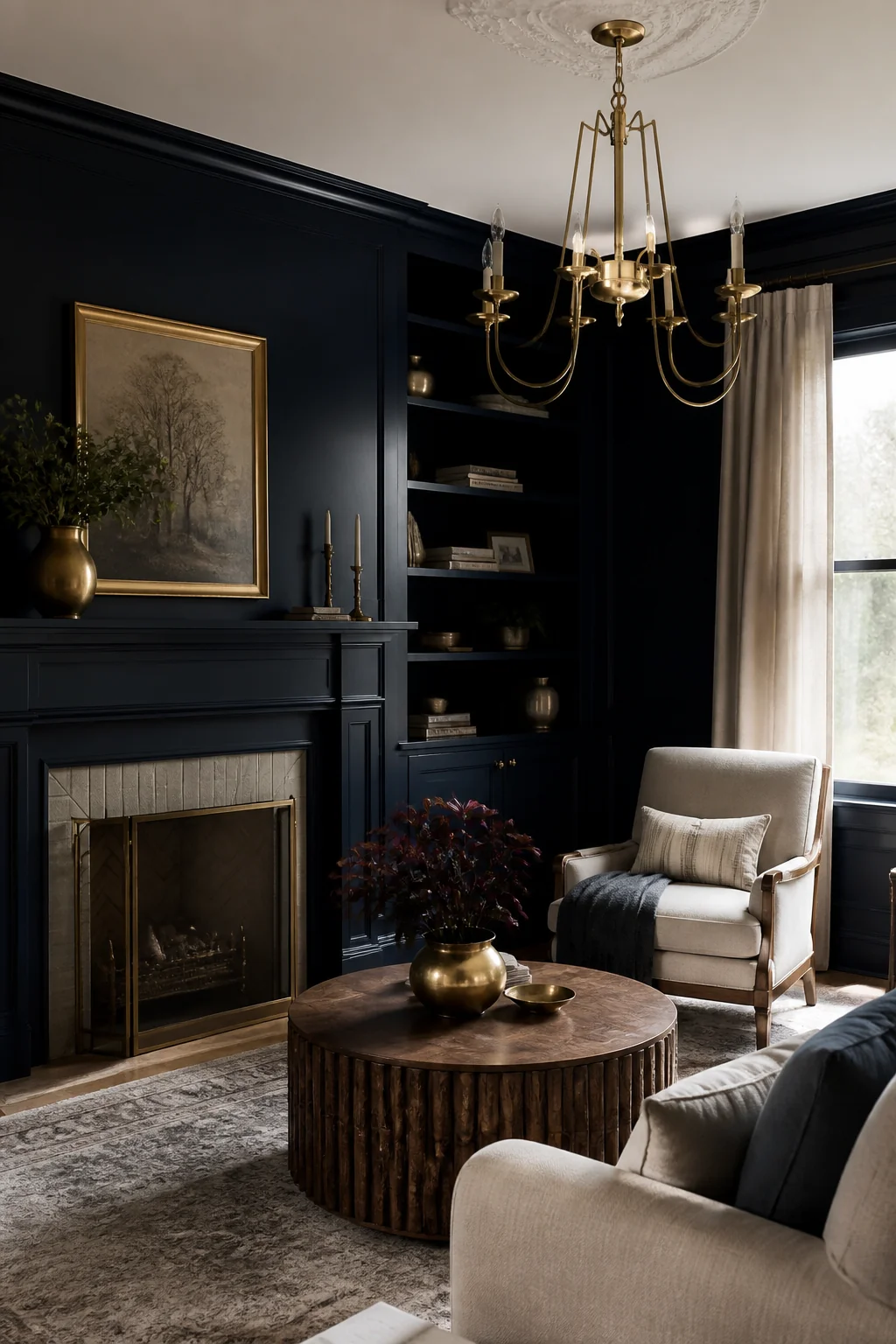
The fear with a dark wall is always the same: won't it feel like a cave? On one wall, in a room with decent light, it does the opposite.
Benjamin Moore Hale Navy (HC-154) has a light reflectance value of about 6, close to the bottom of the scale. A wall absorbing that much light stops announcing where the room ends, so the corners soften and the white ceiling above it reads as a separate, brighter plane. Two gallons cost around $90.
Budget for a gray-tinted primer, roughly $25 a gallon. Deep bases carry less white pigment, so going straight over builder white takes three coats and still shows roller streaks in raking light. Tinted primer gets you there in two.
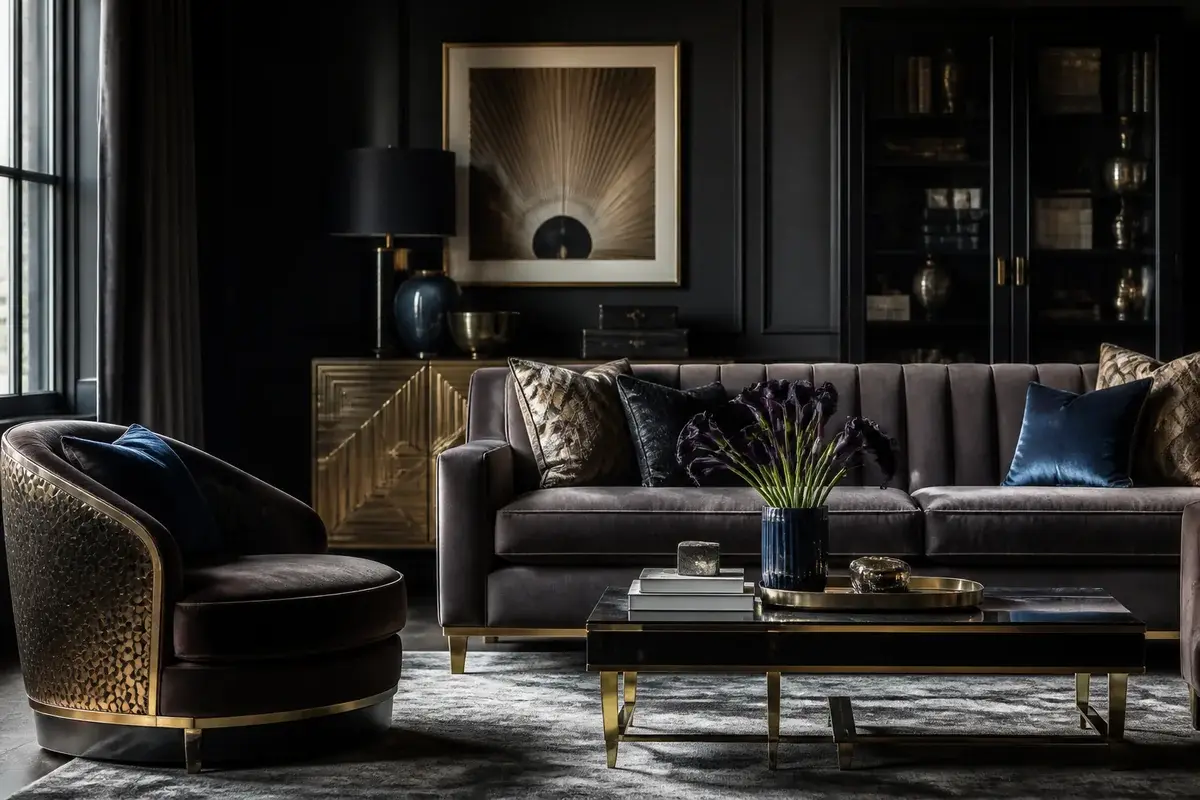
Navy sits well with warm wood, brass, and unbleached linen. Skip it if your only window faces north or is smaller than about 3 feet wide. With that little daylight the undertone never surfaces and the wall just reads black, especially after dark under 2700K bulbs.
3. Warm White with Yellow Undertones: For When You Want Brightness Without Coldness
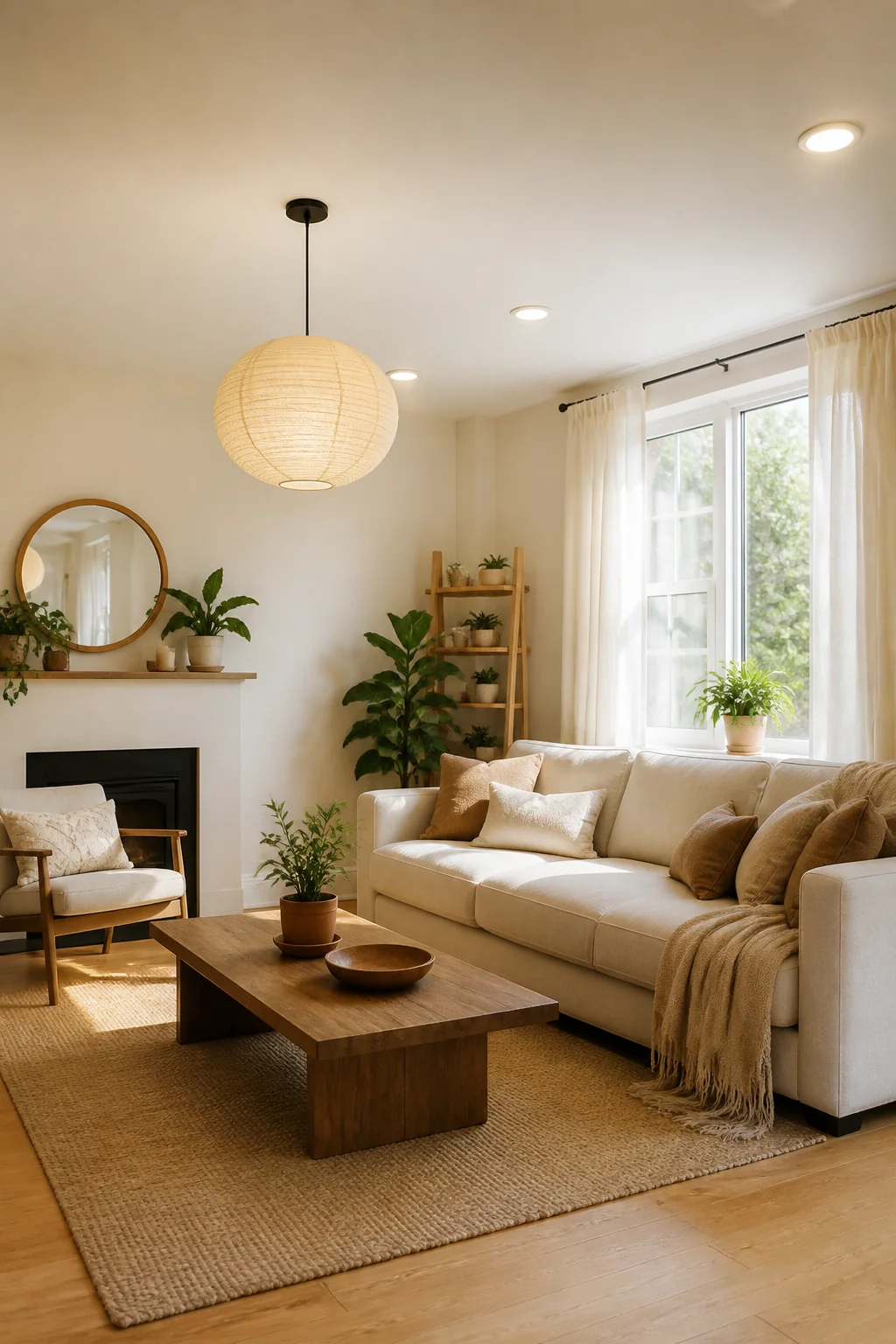
White is not one color, and that is the whole problem. Fan decks carry dozens of them, and the split that matters is undertone: cool whites carry a trace of blue or violet, warm whites carry yellow.
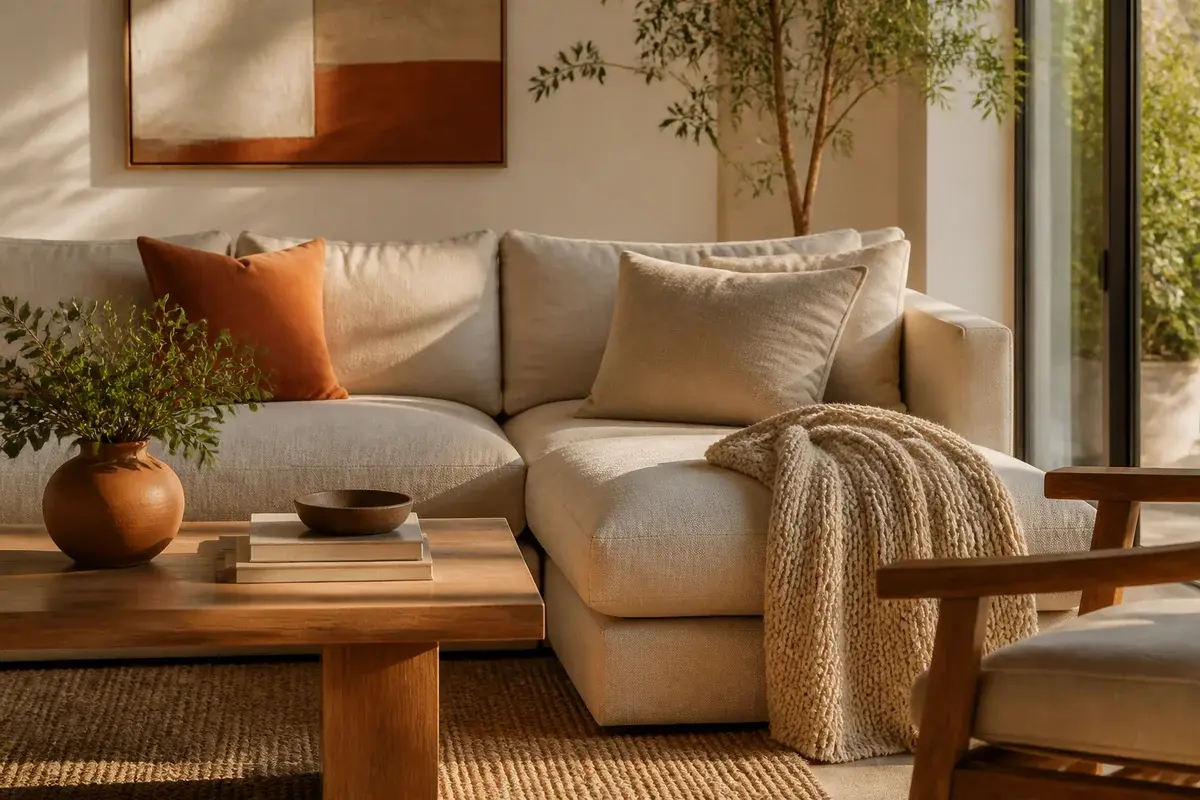
Cool white in a room with north light doubles down on the blue already coming through the window, and the wall reads faintly gray and clinical. A yellow-based white cancels that. Sherwin-Williams Creamy (SW 7012) has an LRV of 81, so it still bounces plenty of light, but the yellow keeps it from going cold. One gallon runs about $40, enough for two coats in a nook or a small space under 200 square feet.
The trade-off shows up at the trim. Set Creamy next to a stark bright-white baseboard and the walls look dingy by comparison. Paint the trim the same color one sheen up, satin walls to semi-gloss trim, or choose a soft white for the trim instead.
Before you buy a gallon, hold the chip flat against your sofa fabric and your floor at three points in the day: mid-morning, mid-afternoon, and after dark with only the lamps on.
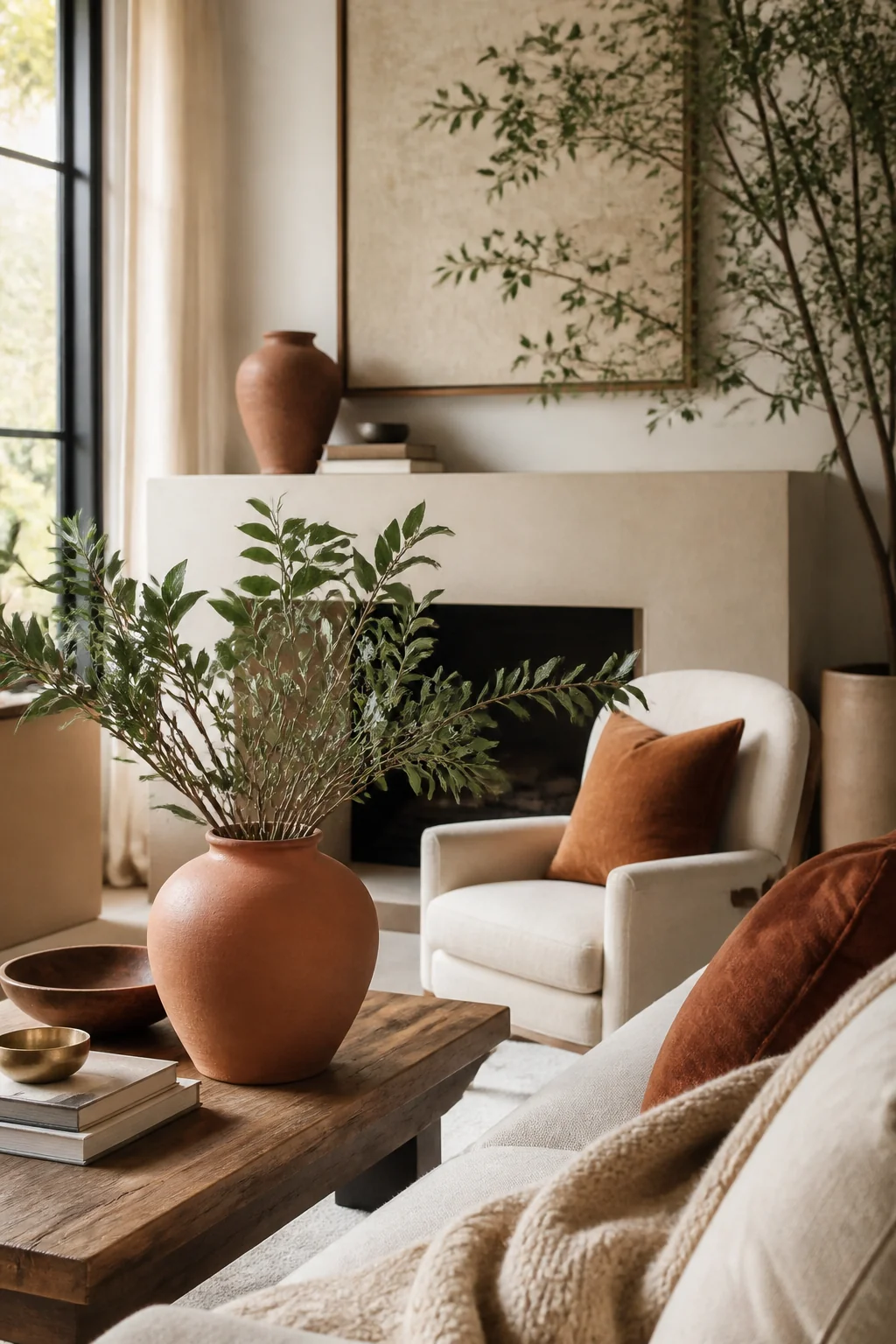
4. Soft Sage: The Trend With Staying Power
Sage carries a cottage reputation it doesn't quite deserve. The muted versions behave like a neutral with a pulse, quiet enough to live with and warm enough to sit beside natural wood without fighting it.
Farrow & Ball Mizzle (No. 266) is the reference point, a gray-green with enough pigment to read as a color rather than dirty white. Be ready for the price: a 2.5-liter can of Estate Emulsion runs well over $100 and covers roughly 300 square feet per coat, close to triple what a mainstream gallon costs. The $12 sample pot is the sensible entry point, and any paint counter will color-match the chip into a cheaper line, though matched formulas tend to flatten out in low light because the pigment load is thinner.
Where sage fails is on the pale end. A very light sage under 2700K bulbs drifts gray or slightly sickly after sunset. If your bulbs are warm, pick a sage a full step deeper than the one you like on the chip, and pair it with brass, oak and cream textiles rather than chrome, which pushes the green cold.
5. Warm Terracotta: The Bold Move for People Who Are Tired of Playing It Safe
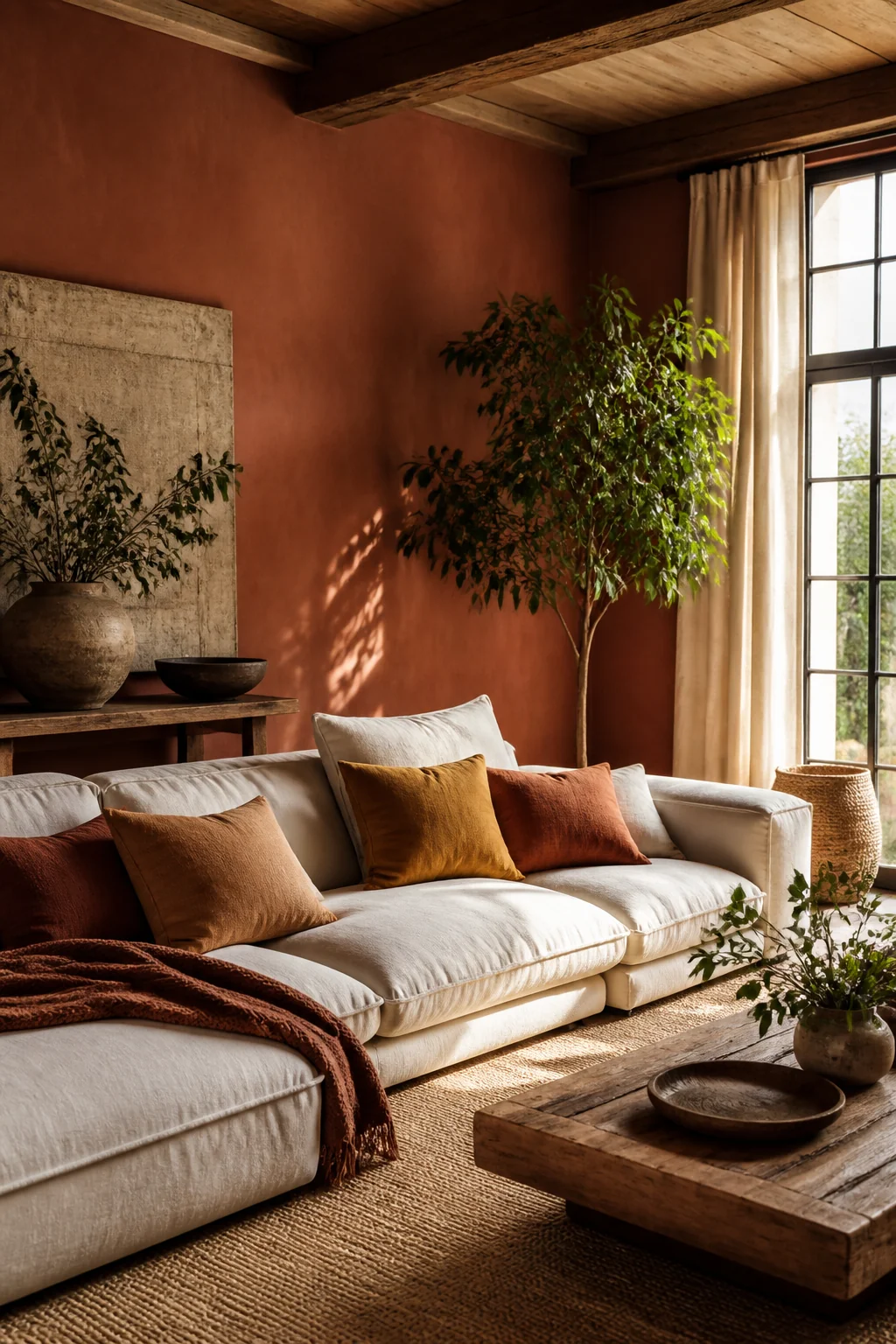
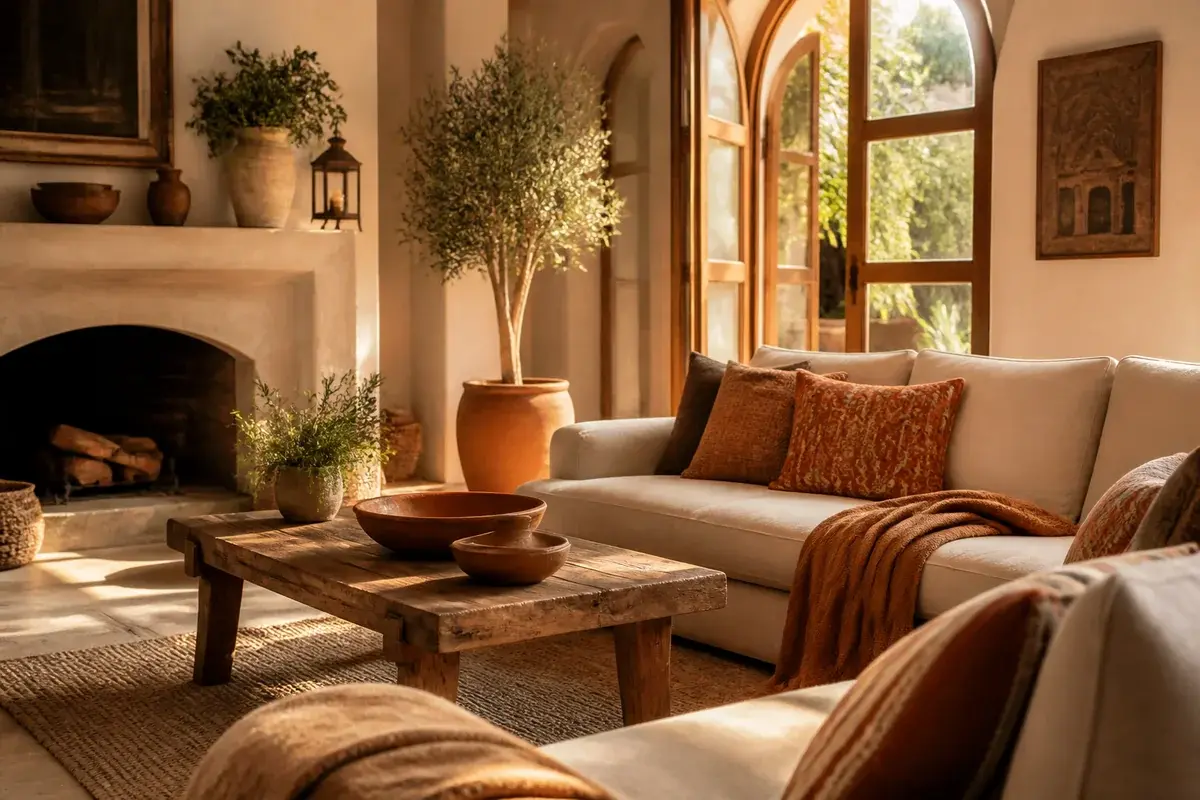
If you have stared at beige for five years, terracotta is the one that finally reads as a decision. It is warm without turning into a Tex-Mex dining room, mostly because the good versions are muted with brown rather than pushed toward orange.
Benjamin Moore Rust 2175-30 or Sherwin-Williams Cavern Clay SW 7701 runs about $85 to $110 for two gallons of a mid-grade line (prices checked October 2026). Add $25 to $30 for a gray-tinted primer, and treat that as required rather than optional. Red and orange pigments have famously poor hiding power, so bare terracotta over white can take three coats and still show a patchy, uneven face when the afternoon sun rakes across the wall. Primer plus two coats is the reliable route. Give each coat four hours to dry before recoating.
Clear the room first. You want about 3 feet between the wall and any furniture, enough to work a 9 inch roller on a pole and set a ladder square. Painting around a sofa is where drips and thin edges come from.
One caution on pairings: terracotta walls, warm white trim and 2700K bulbs together will tip the whole room orange. Bring in something cool, a charcoal rug or black metal frames, to hold the balance.
What About Your Room Right Now?
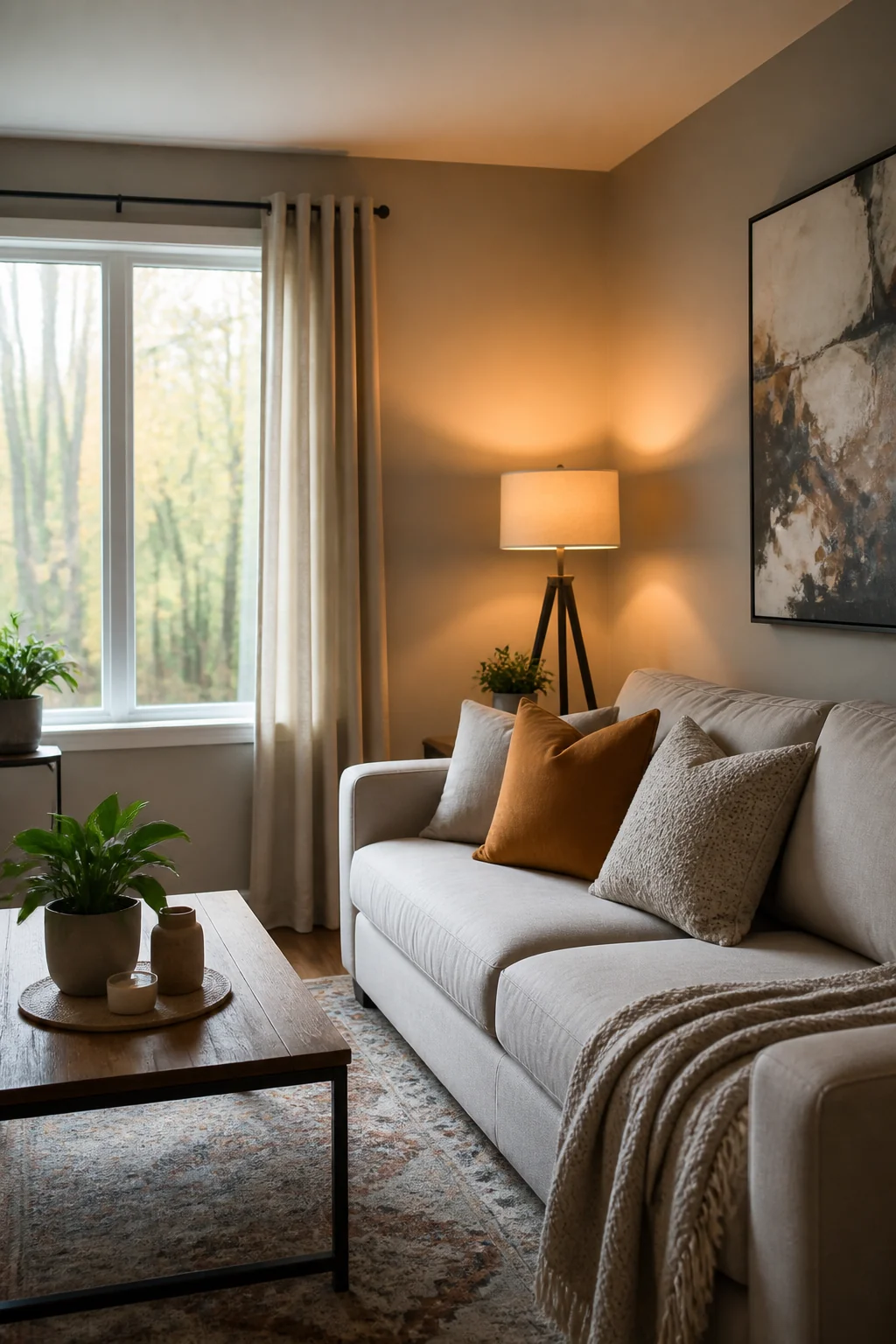
Before any of these names matter, find out what your room does to color. Which way do the windows face, and what temperature are your bulbs? North light is cool and steady, west light turns orange and low after 4 p.m., and a 2700K bulb pushes every wall a step warmer than the chip promised.
Then test properly. Skip painting patches straight onto the wall, because the old color bleeds through one thin coat and skews what you see. Instead brush two coats of a sample pot, about $8, onto a piece of white poster board that costs a dollar, let it cure overnight, and move that board around: beside the sofa, next to the trim, on the darkest wall. Photograph it in the morning, mid-afternoon and after dark with the lamps on.
Sheen is the other half of the decision. Flat hides drywall dents but marks up where hands and furniture touch it. Eggshell is the usual living-room answer, wipeable and still low-glare. Gloss on a large wall will show every roller ridge.
If you're tight on floor space, small living room furniture ideas covers how the layout works with a darker wall behind it.
The whole guide in one image
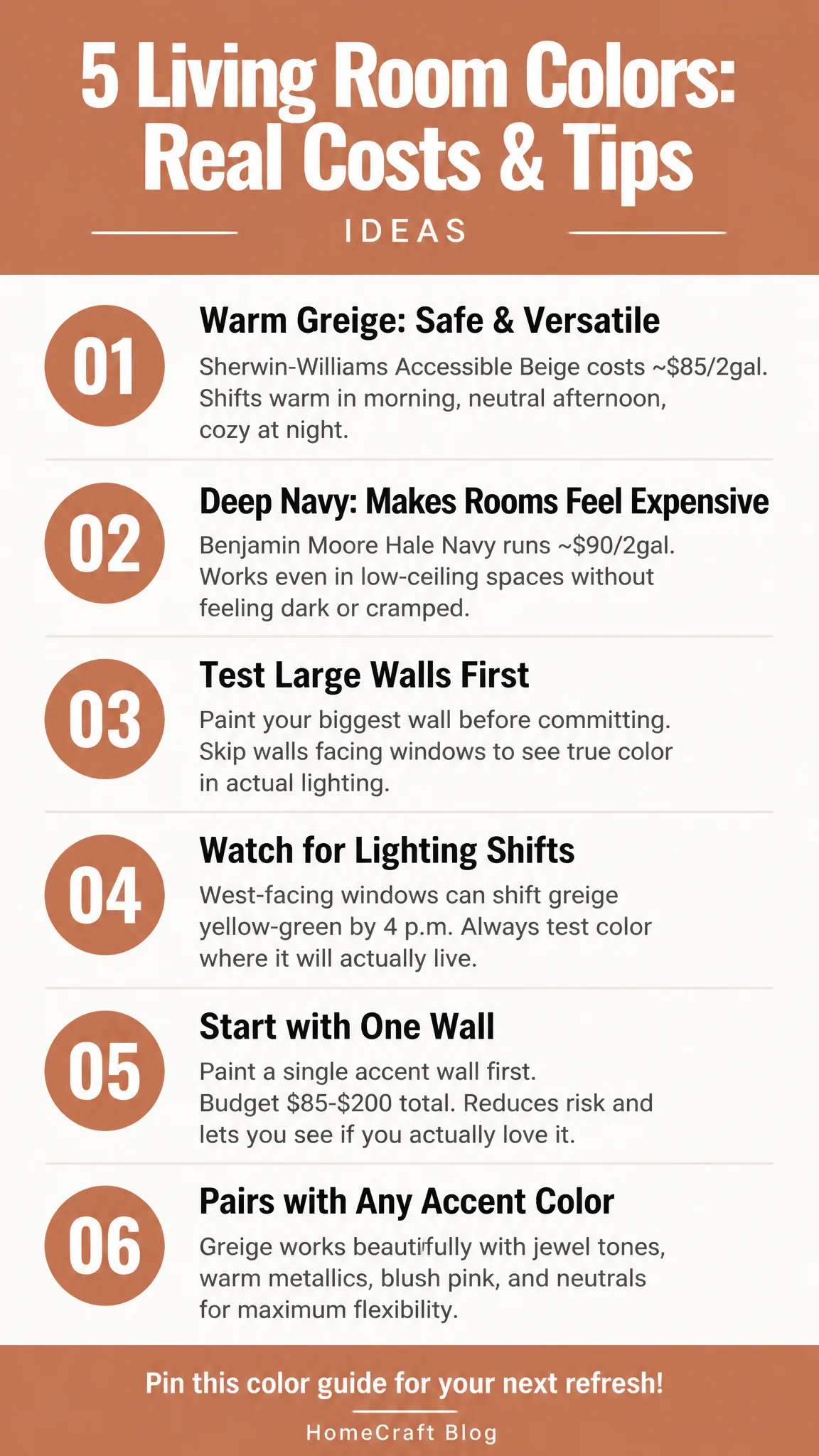
The one thing worth being cautious about: a color that looks perfect on a sunny Saturday afternoon is the color you will see least. Judge it on a gray Tuesday evening instead. That's the version you live with.