14 Gorgeous Jewel Tone Bedroom Ideas to Transform Your Sleep Space
Deep jewel tone bedroom ideas that work: emerald, sapphire, and amethyst color placement rules that won't overwhelm your space.
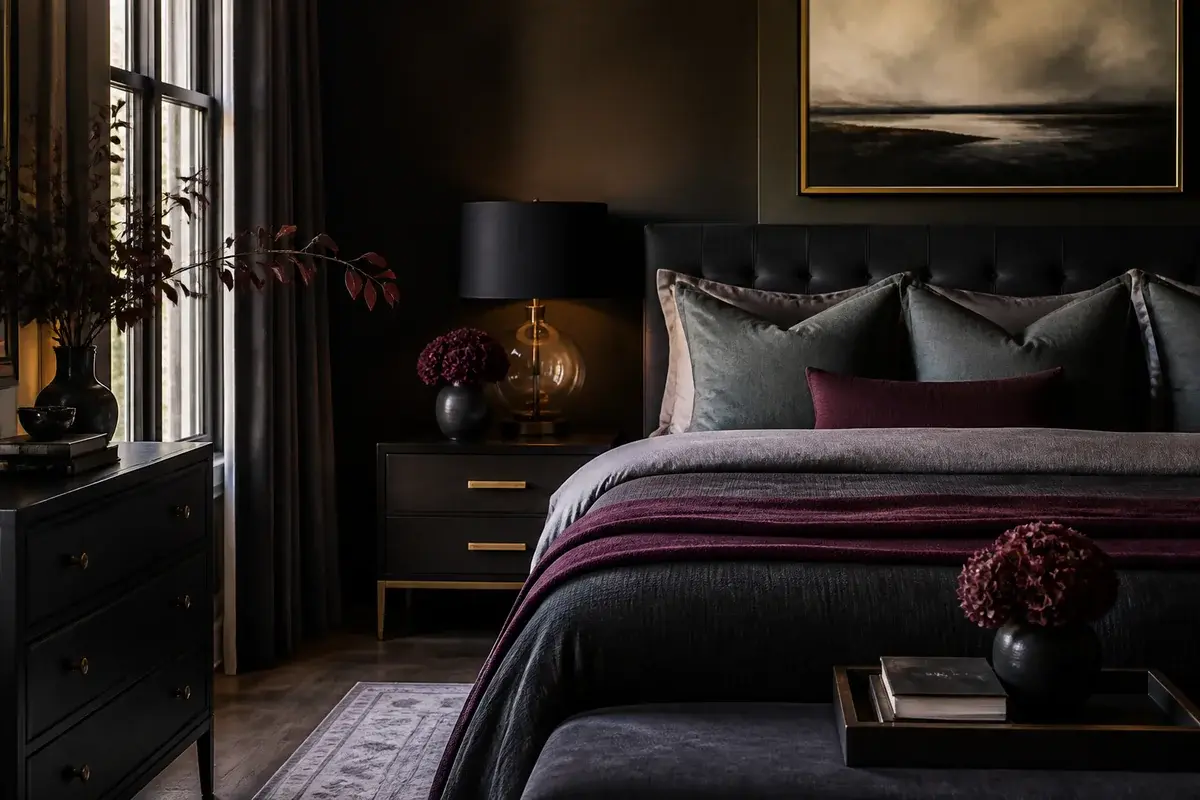
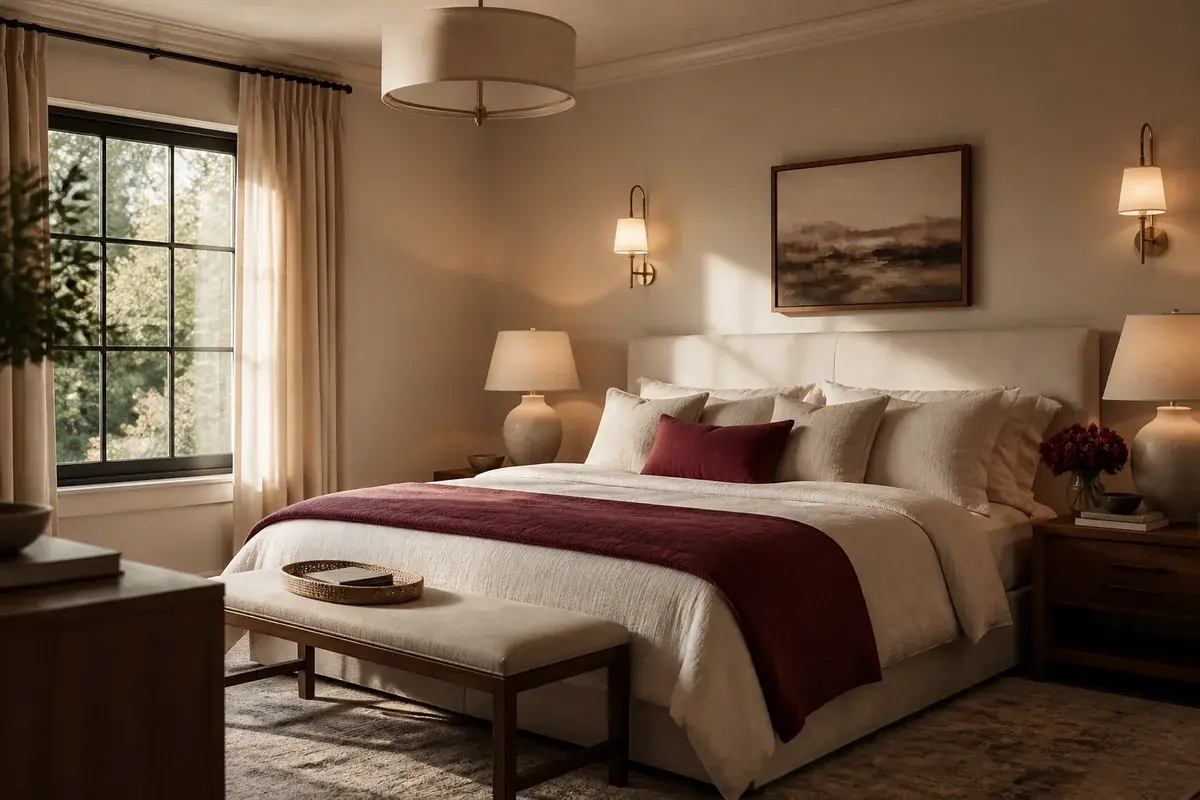
Most jewel tone bedrooms fail because they treat the color as wallpaper, slap it everywhere and hope the richness carries the room. It doesn't. These colors are dense and absorbing, so they need proportion, light, and the right surfaces to land on or they'll flatten into a cave. The strongest jewel tone bedrooms use color strategically: one accent wall, upholstered pieces, or layered textiles that let light move through the space. Here are 14 ways to get that luxurious depth without the claustrophobia.
1. Paint one wall in deep emerald, the rest soft white
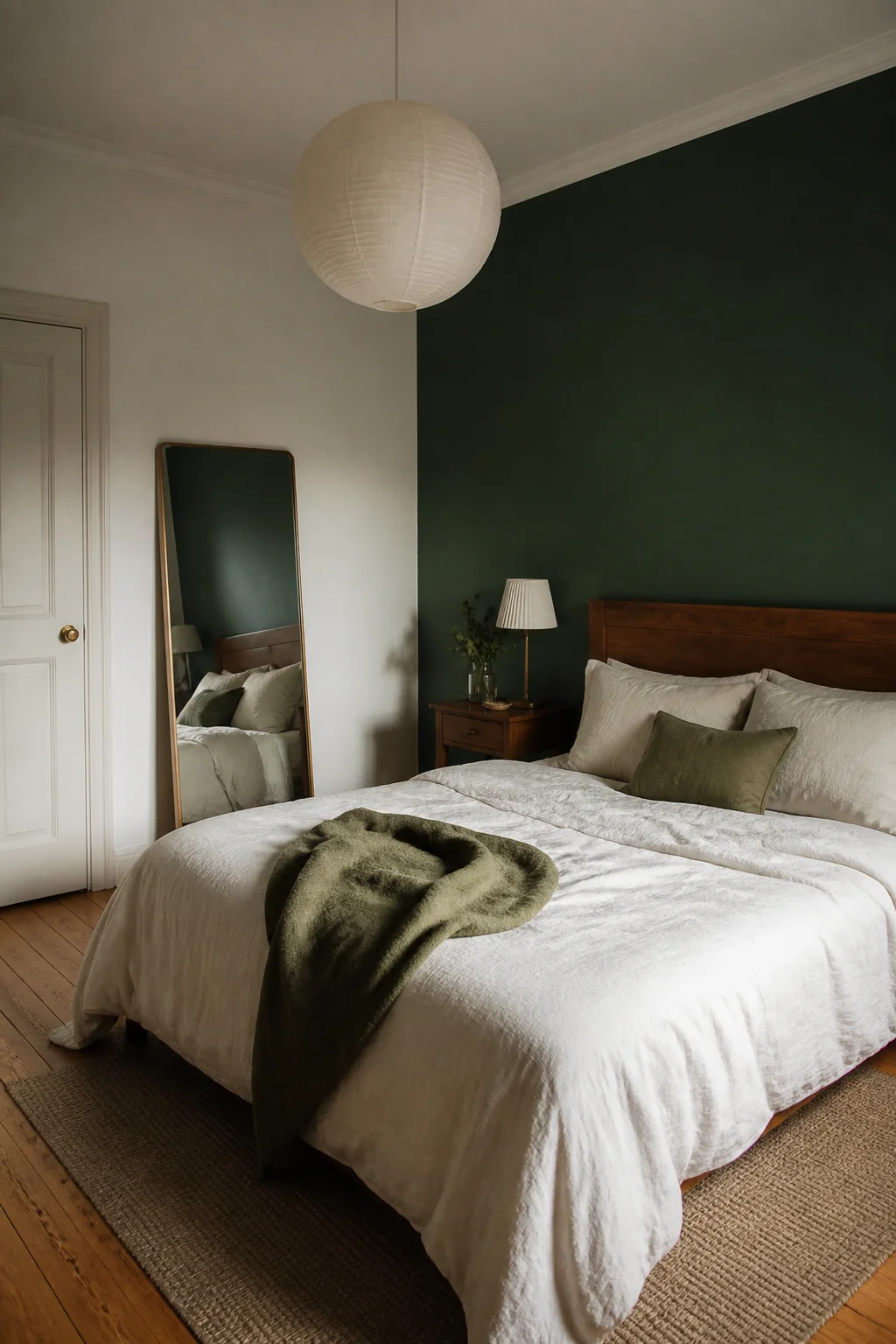
Pick the wall opposite your bed or the one you see first when you walk in. Emerald reads as jewel-like and grounded on that single plane, and the white walls around it bounce light back so the room stays open. The contrast matters more than the color itself. You'll want at least one window on or near the accent wall so daylight hits it and shifts the tone throughout the day. Emerald paint runs about $40 to $50 a gallon; a single 10-by-12-foot wall takes roughly a gallon and a half of quality paint, applied in two coats. (Emerald is forgiving with brushwork, which is not true of sapphire.) The mistake here is painting too large an area or reaching for a synthetic-looking shade instead of something with brown or gray depth.
2. Layer jewel-toned textiles on a neutral bed frame
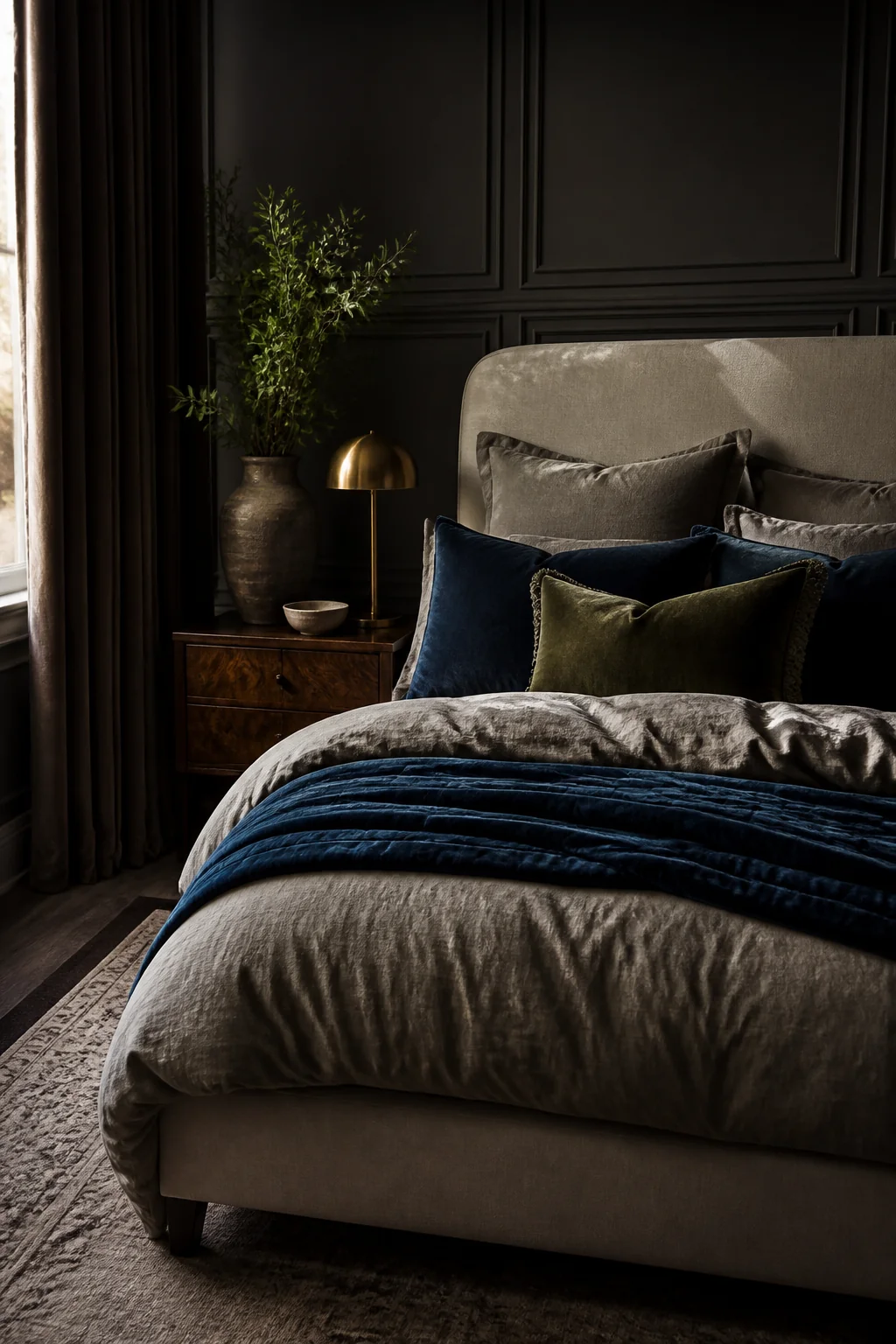
Start with a white or oatmeal linen base, then add a velvet throw in sapphire or amethyst across the foot of the bed, a linen pillow in jewel tones for contrast, and a heavy wool blanket in a jewel shade folded at the end. This builds color without committing a whole wall. Velvet throws run $60 to $120 depending on size; wool blankets are $80 to $150. The layering works because textures catch and hold light differently. Linen reflects, velvet absorbs and glows, wool sits somewhere between. Your eye reads depth instead of flatness. Three textiles is the ceiling here, more than that and your bed reads chaotic rather than curated.
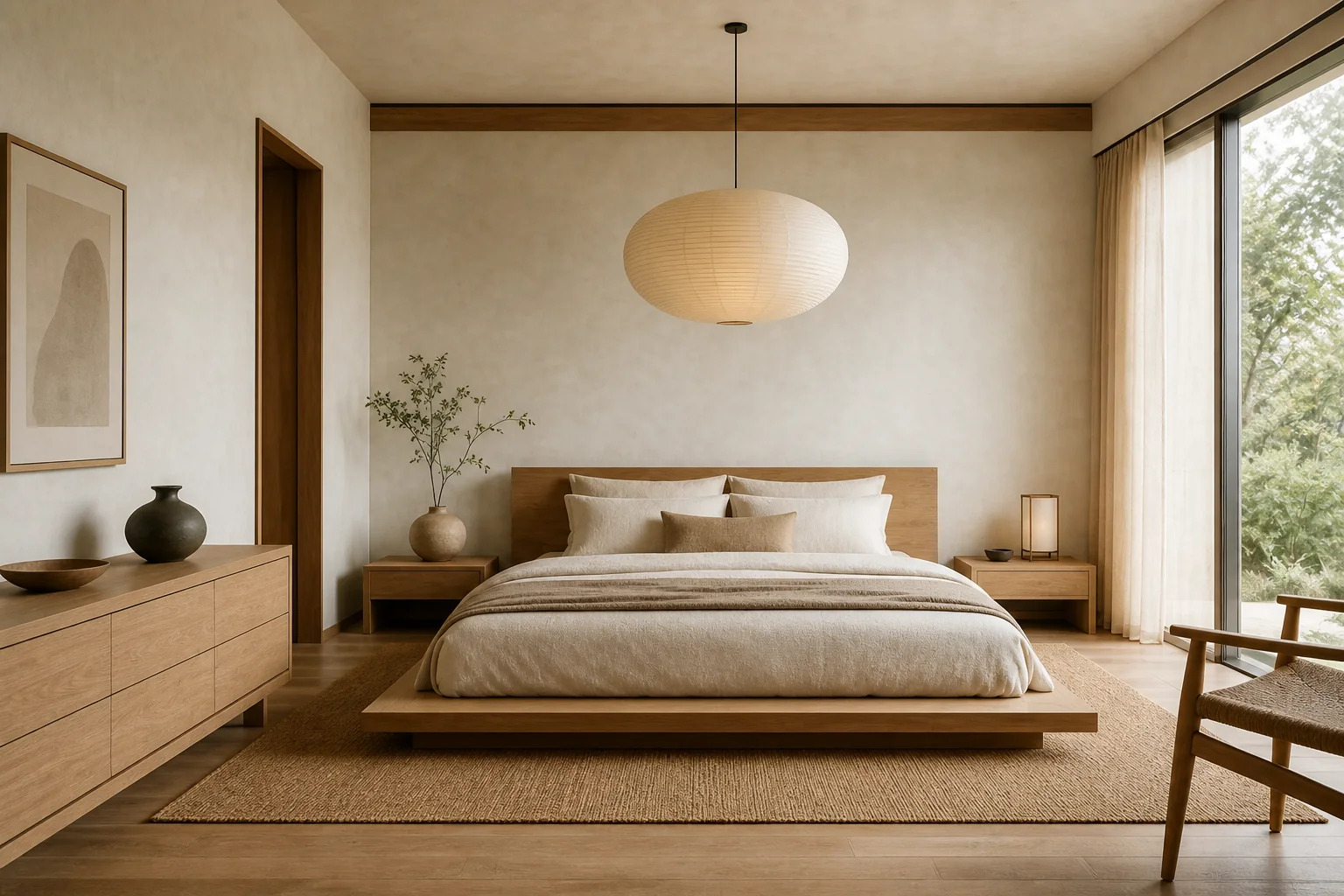
3. Hang jewel-toned curtains from ceiling to floor
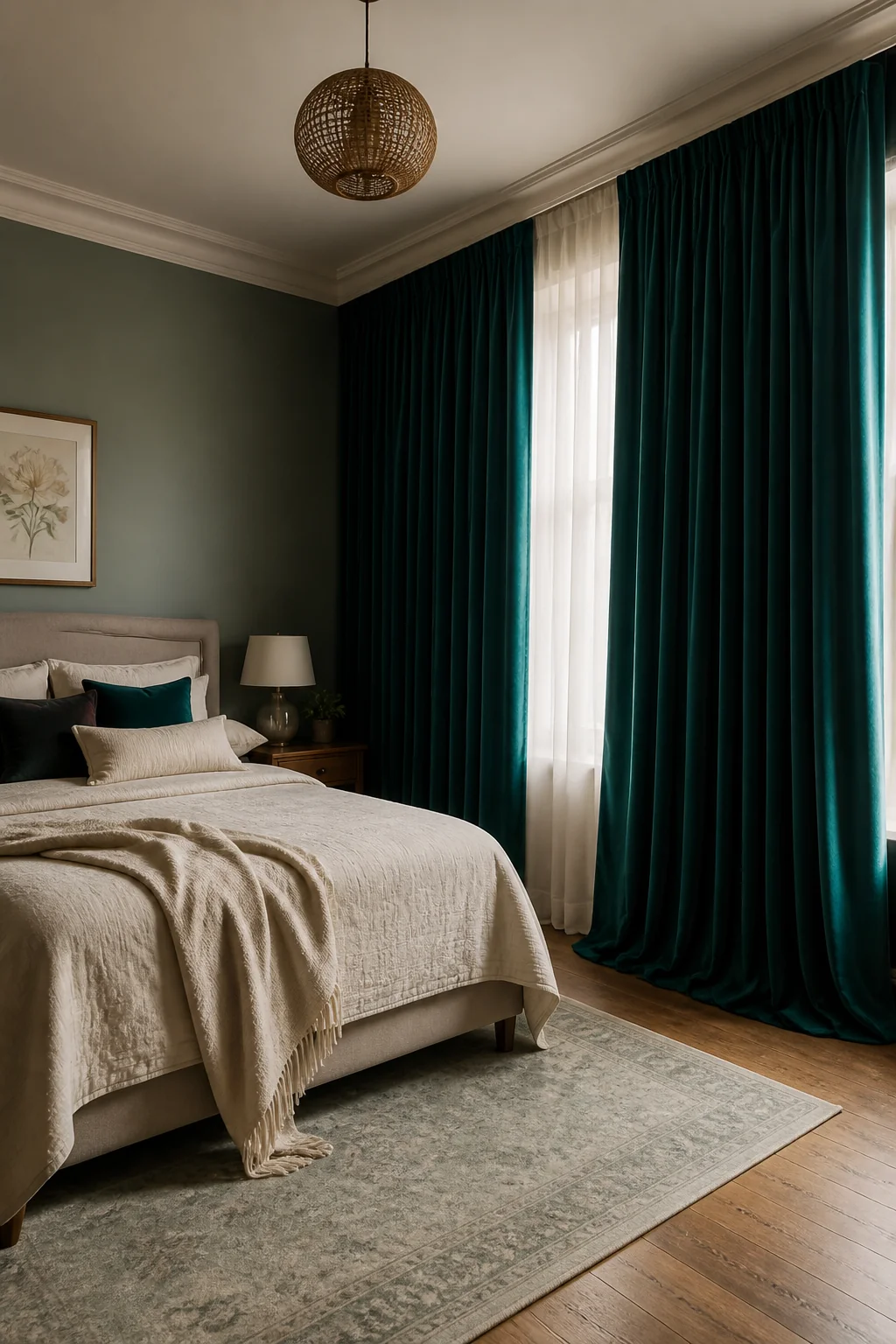
Floor-to-ceiling curtains in emerald or deep teal make a window feel larger and ground the room visually. Hang the rod closer to the ceiling than to the top of the window frame itself, about 4 to 6 inches above the window. This works best when your window is on the longer wall of the room or when you have two windows close together. Heavy linen or linen-blend curtains in jewel tones cost about $60 to $100 per panel at standard 50-inch width. (That's per panel, so a two-panel pair runs $120 to $200 before hanging hardware.) Sheer jewel-toned curtains underneath add softness and let morning light filter through without washing out the color.
4. Choose an upholstered headboard in jewel velvet
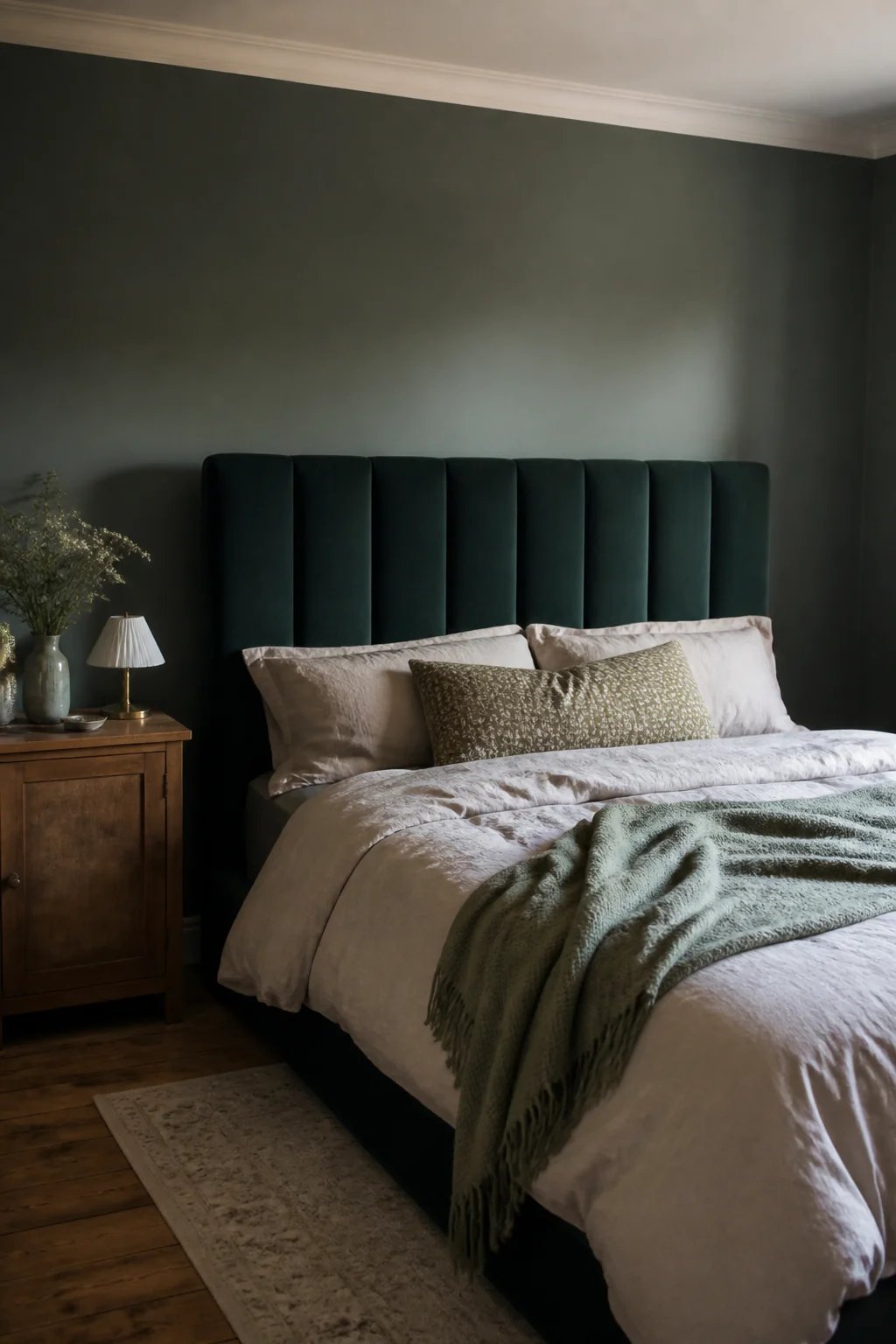
A sapphire or amethyst velvet headboard anchors the bed as the room's visual center and introduces color without paint. Look for headboards 48 to 60 inches wide for a queen bed; anything narrower and the wall space around it reads scattered. Velvet headboards start around $300 and go up from there depending on height and finish. The texture of velvet under jewel tones makes the color sit forward in the room, it almost glows at dusk. Pair it with a white or cream duvet so the bed doesn't become one dark blob. This swap works if you rent, because it's furniture, not a permanent change.
5. Add a jewel-toned accent rug under the foot of the bed
A deep teal or emerald area rug 5-by-8 feet grounded under the foot of the bed brings color down to eye level as you enter the room. The rug should extend about 2 feet on each side of the bed and reach toward the foot. Wool rugs in jewel tones run $200 to $500 for a 5-by-8; jute or cotton blends are cheaper but won't have the same depth. A rug changes the room's color story without touching walls or furniture, and you can swap it if your tastes shift later. The mistake is layering a patterned rug with jewel-toned walls, too much visual weight. One solid jewel tone usually wins.
6. Paint the inside of shelving a jewel tone
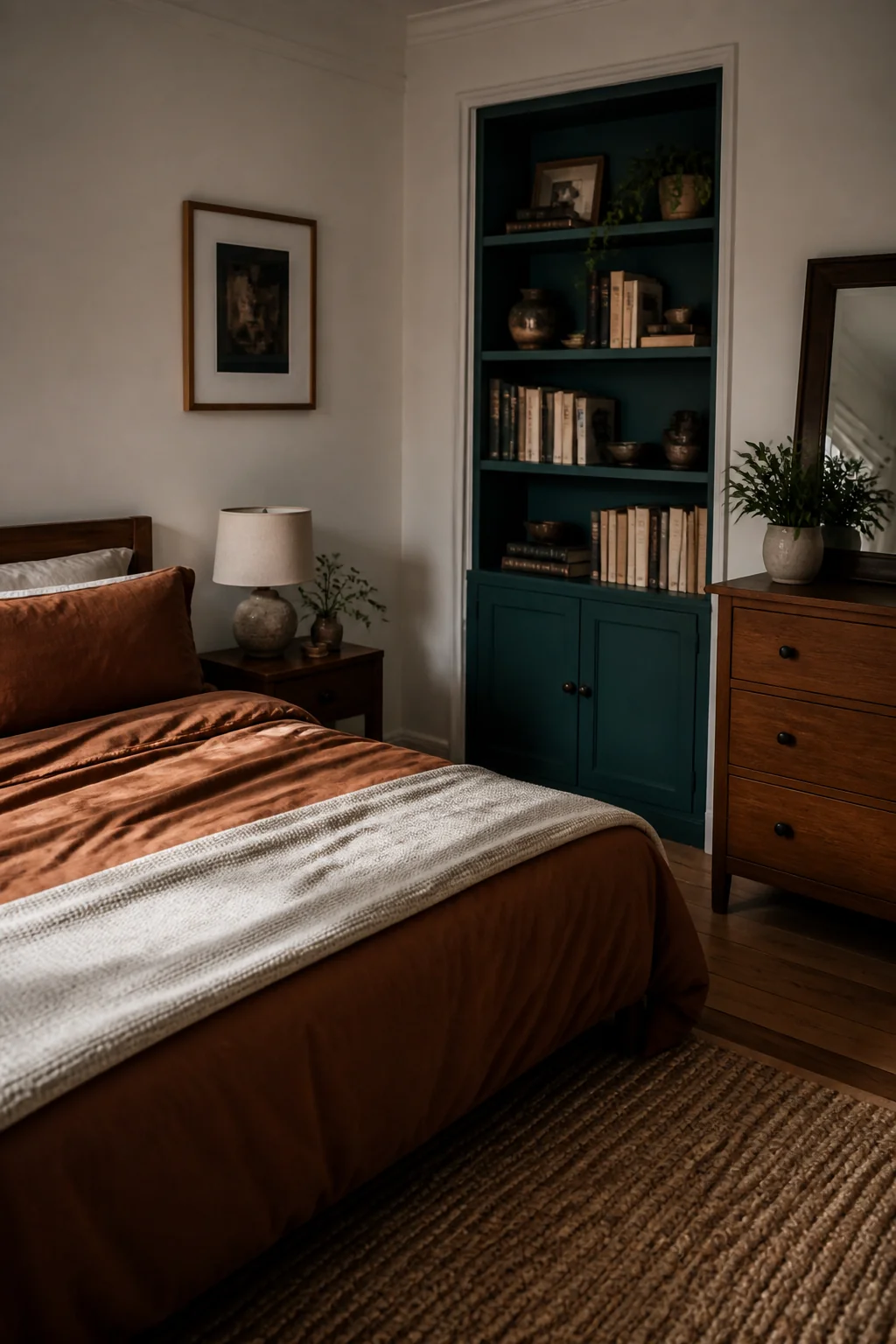
If your bedroom has built-in shelves, floating shelves, or a bookcase, paint the back panel a deep sapphire or amethyst and leave the shelf surfaces white or cream. This creates a frame for whatever sits on those shelves without dominating the room. The back panel doesn't need primer if it's already painted; you're just adding a jewel tone coat on top. This costs almost nothing, maybe $15 in paint and an hour of work. The trick is that the color sits behind your objects rather than around them, so it reads as intentional backing rather than color for its own sake. It works especially well on shelves opposite your bed, where you see it when you're resting.
7. Upholster a bedroom chair in jewel-toned wool
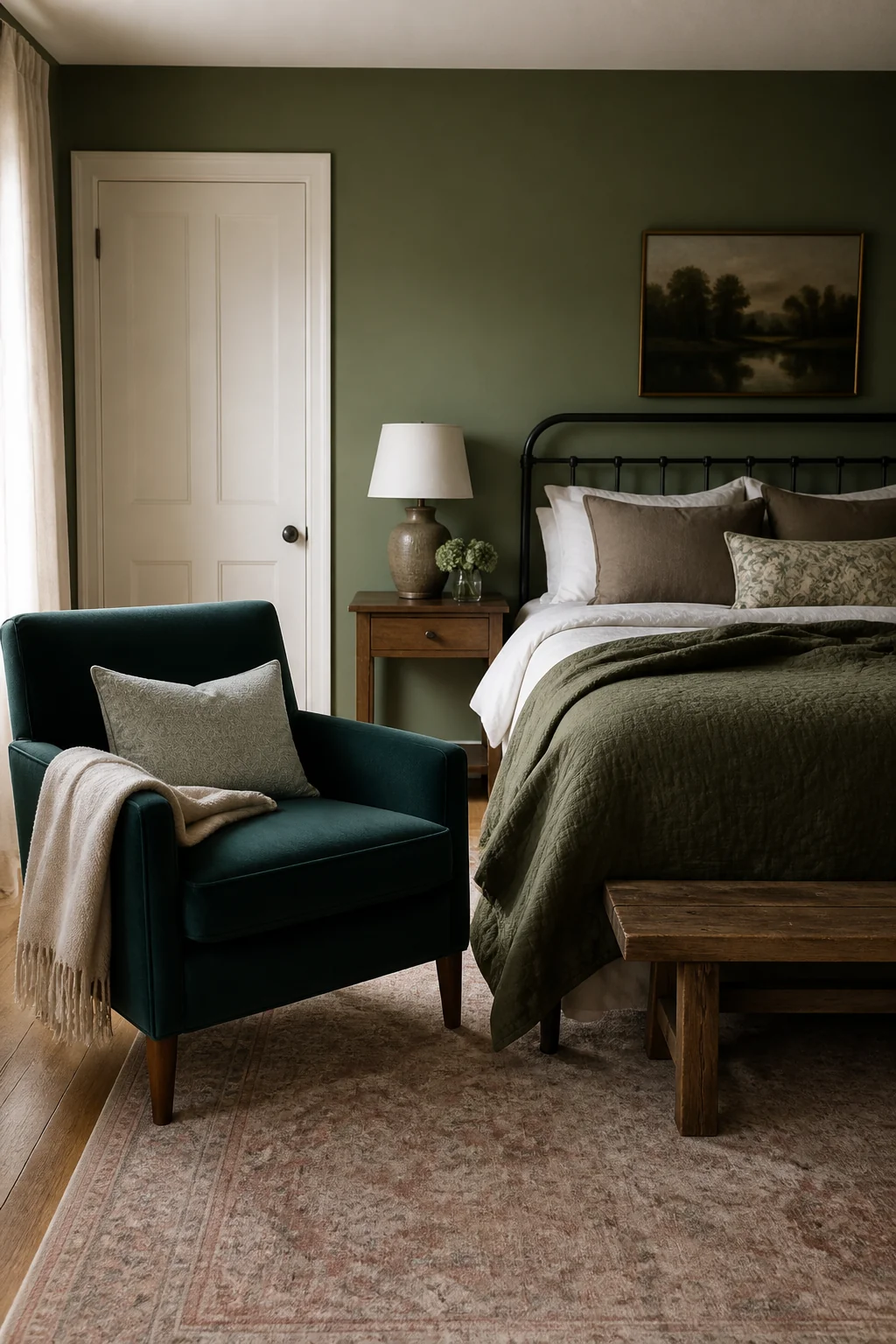
A reading chair or accent chair in deep emerald or sapphire wool creates a focal point in the corner of the room. Upholstered armchairs start around $400 to $600 for solid construction; boutique makers run $800 to $1200. The chair gives you a place to layer blankets and throw pillows without touching the walls. Wool holds jewel tones better than polyester blends because the fiber has natural depth. Pair a jewel-toned chair with white or cream throw pillows so the color reads intentional rather than overwhelming. If your bedroom is under 120 square feet, a full armchair can make the space feel crowded, look at a smaller slipper chair or a bench instead.
8. Layer jewel tones with metallics on the nightstand
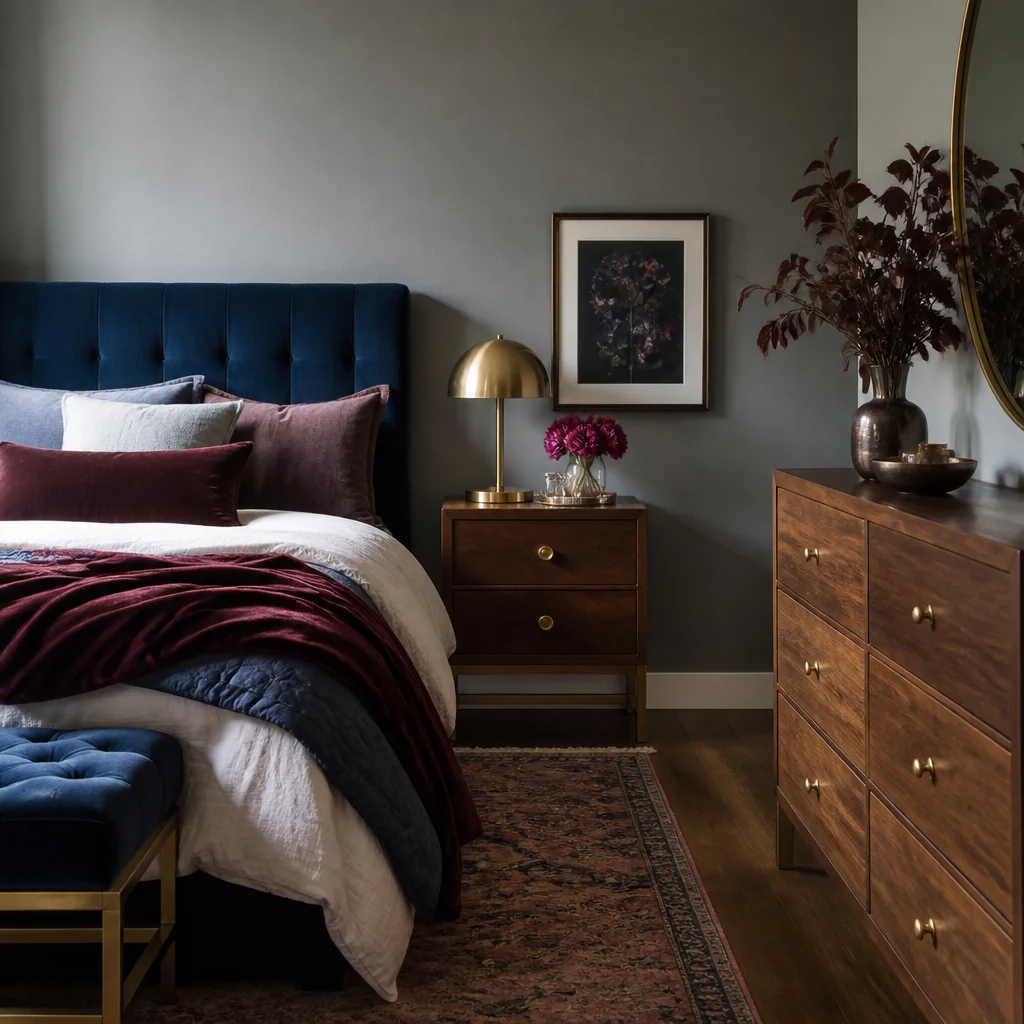
Keep nightstands simple, white, light wood, or natural plaster, and add jewel tone color through objects: a velvet lamp base in amethyst, brass or gold candlesticks, small books with jewel-toned spines, a ceramic dish. The neutral surface lets the jewel pieces breathe. This approach works for renters or anyone who doesn't want permanent color changes. A quality ceramic table lamp in jewel tones costs $50 to $120. Brass accents push warm jewels like emerald and sapphire forward; polished nickel is cooler and works better with amethyst. Three to five objects per nightstand looks edited. More than that reads cluttered.
9. Paint your bedroom door a deep jewel tone
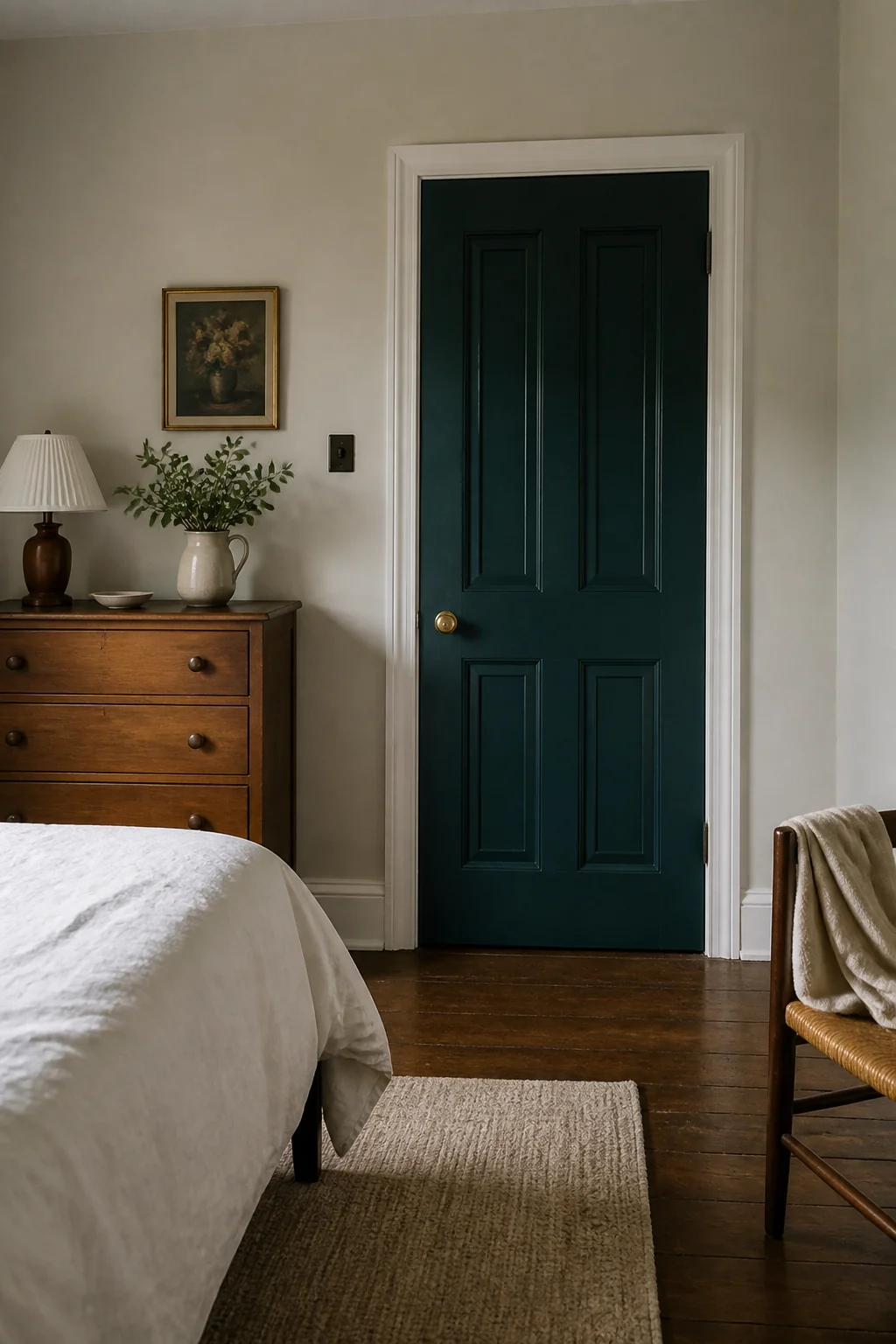
The back of your bedroom door, the side you see when you open it, is a hidden surface most people forget. Painting it in sapphire or emerald creates a surprise flash of color without commitment. If you rent or prefer a removable change, cover the door with adhesive fabric in a jewel tone (about $20 to $40 for a full door). This works best when the door opens into the room rather than against a wall, so you see the color. A single door takes about a quart of paint, or roughly $12 to $15. It's a small move with outsized impact because color on a door reads differently than color on a wall, it has dimension and motion.
10. Mix jewel and neutral tones in patterned bedding
A pattern that combines emerald with cream, or amethyst with white, lets you have color without saturation. Look for geometric prints, subtle florals, or textural patterns rather than busy or small-scale designs. Patterned duvet covers run $80 to $150; quality cotton or cotton-blend fabrics hold their color through washing better than cheaper synthetics. The pattern carries enough of each tone that your eye mixes them together, so the room feels colored but not heavy. This is the easiest entry point to jewel tones if you're hesitant about commitment. You can swap out the duvet cover seasonally.
11. Install jewel-toned wallpaper on a single accent wall
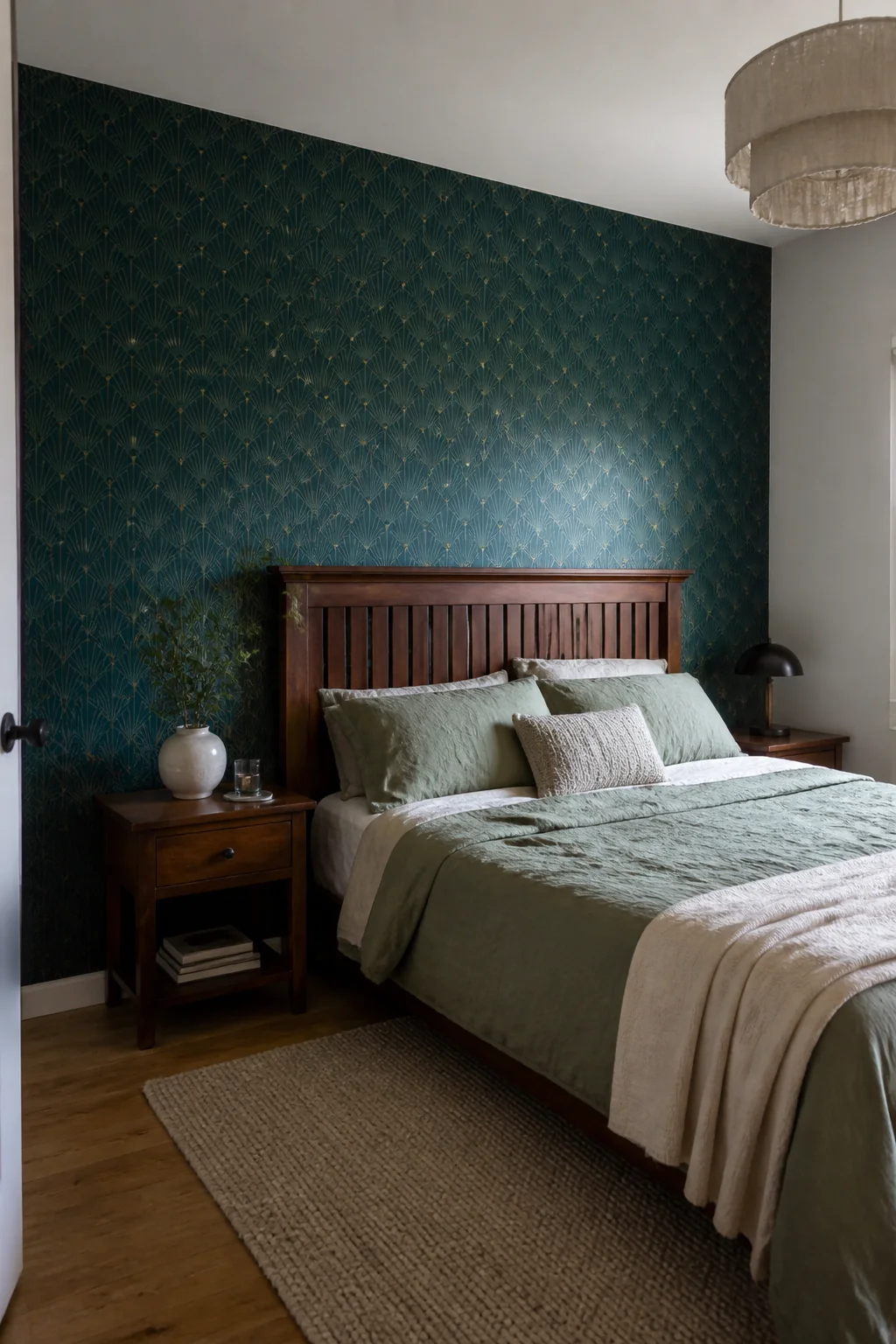
Modern jewel-tone wallpapers in solid colors or subtle textures read more sophisticated than loud patterns. Removable peel-and-stick wallpaper costs $25 to $50 per roll; traditional wallpaper with paste runs $15 to $40 per roll depending on quality. A single 10-by-12-foot wall takes three to four rolls. Removable wallpaper is forgiving and renter-friendly, though it won't last as long as traditional paper. The application takes patience, smooth out air bubbles as you go, but it's doable as a weekend project. Matte finishes read deeper than glossy ones, which can feel cheap in jewel tones.
12. Choose jewel-toned bedside lamps with cream shades
A pair of table lamps with jewel-toned ceramic or glass bases and cream or white linen shades add warm light while keeping color anchored. Lamps in sapphire or amethyst glass cost $60 to $120 per lamp at retail, and the cream shade softens the light so the jewel tone glows rather than glares. Place lamps on each nightstand about 12 to 18 inches back from the edge so they don't cast shadows across the bed. This is one place where jewel tones shine under incandescent or warm LED light, they become almost translucent. Avoid cool white bulbs, which flatten the color.
13. Add a jewel-toned ottoman at the foot of the bed
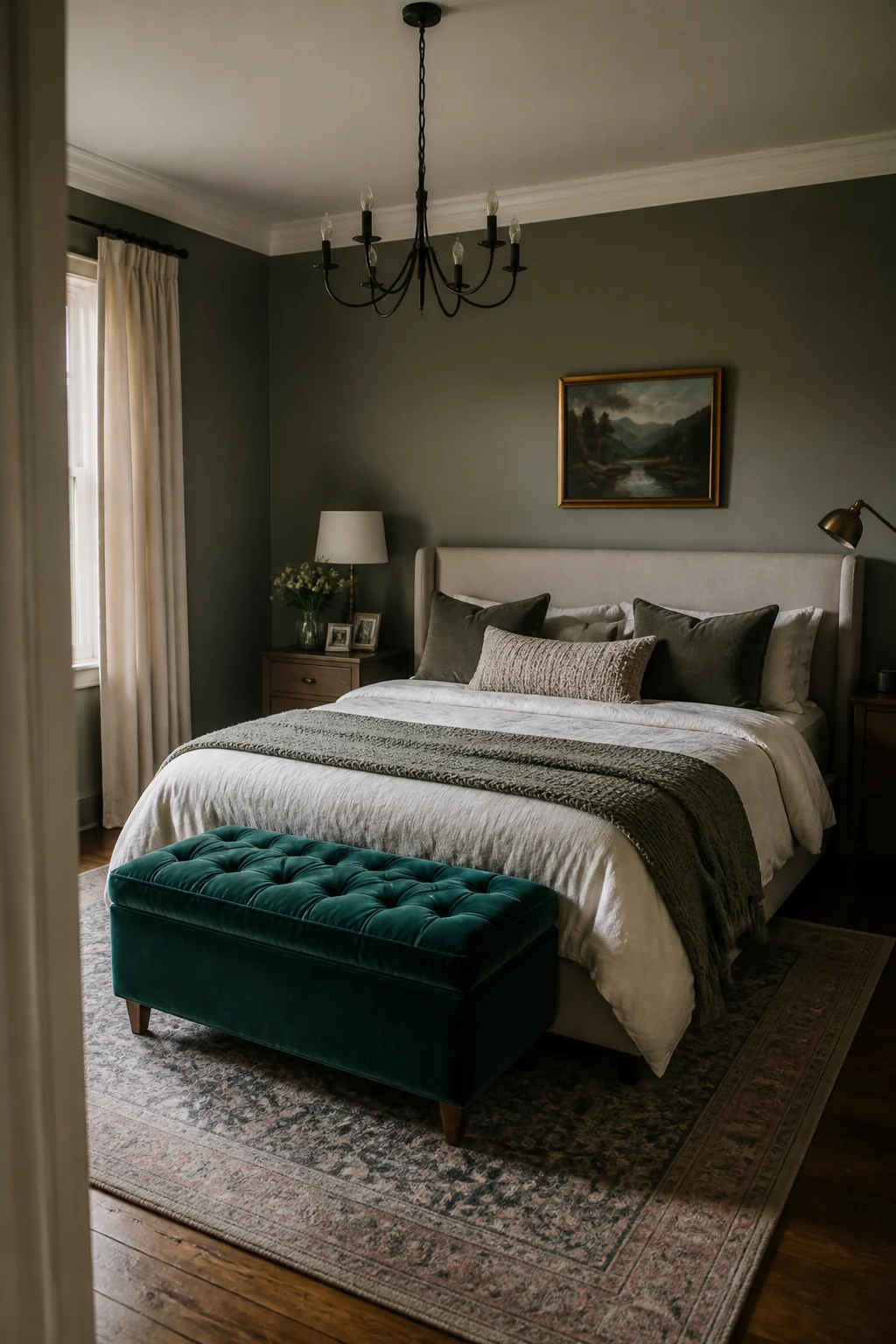
A small velvet ottoman in emerald or sapphire at the foot of the bed gives you a place to throw clothes or fold blankets, and it introduces color at a low point in the room. Ottomans start around $150 for simple styles and go up to $400 or more. The jewel tone at foot level draws your eye down, making the ceiling feel higher. Pair it with a light wood or metal frame so the velvet doesn't look heavy. This works in bedrooms with at least 8 feet of length beyond the bed. In smaller rooms, it can block sight lines and make the space feel cramped.
14. Layer jewel tones under contemporary lighting
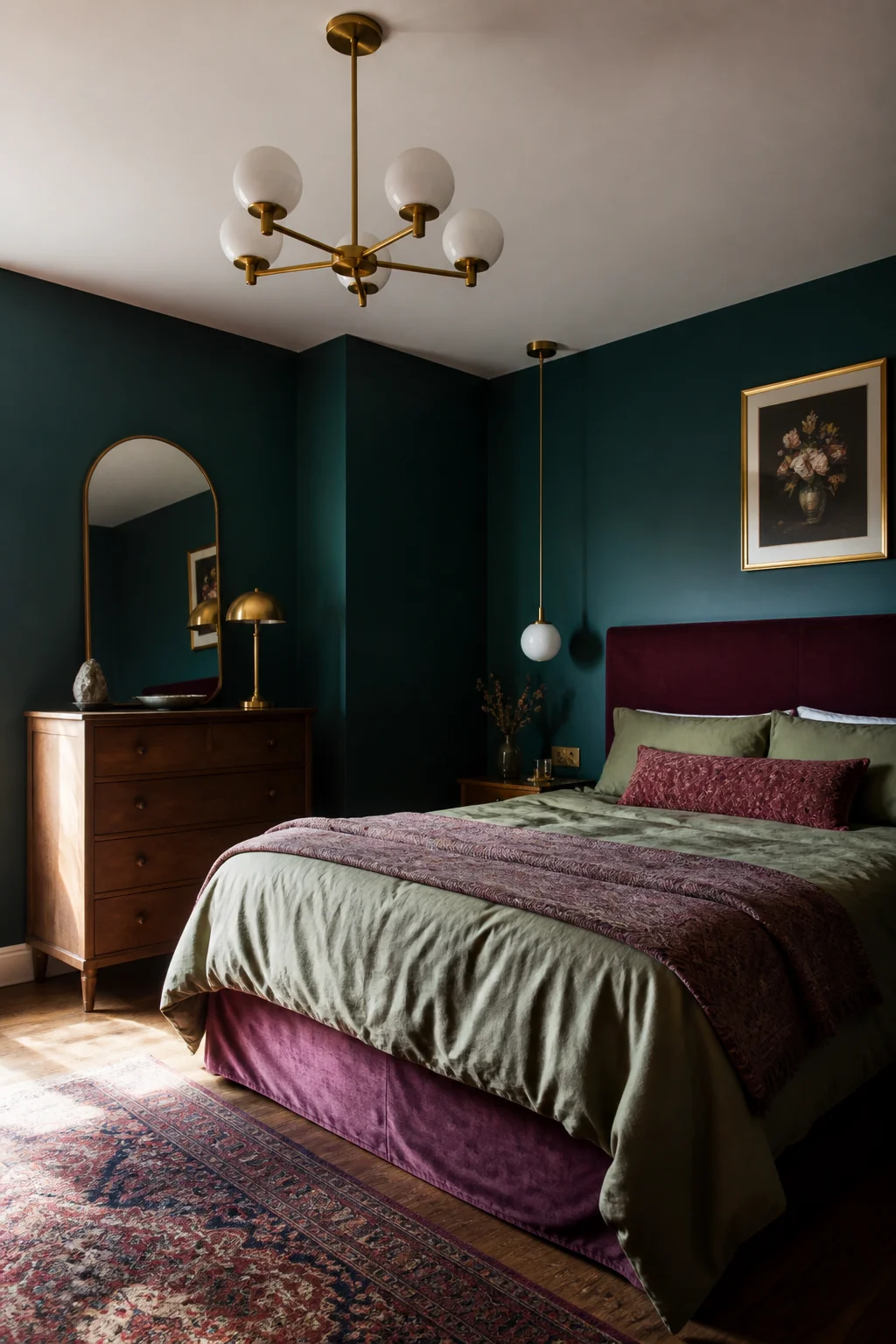
Hang a pendant or modern chandelier in brushed brass or matte black above a jewel-toned room, and the contrast creates sophistication. Contemporary lighting in materials like metal or concrete grounds jewel tones and keeps them from feeling traditional or dated. A quality pendant light runs $80 to $200; a simple chandelier might be $150 to $400. Mount it about 7 feet above the floor in a standard bedroom so it doesn't create a glare problem or hang too low over your bed. The key is that the lighting reads clean and unfussy, letting the jewel tones carry the room's personality. Ornate fixtures compete with the color instead of supporting it.
Pin this for later
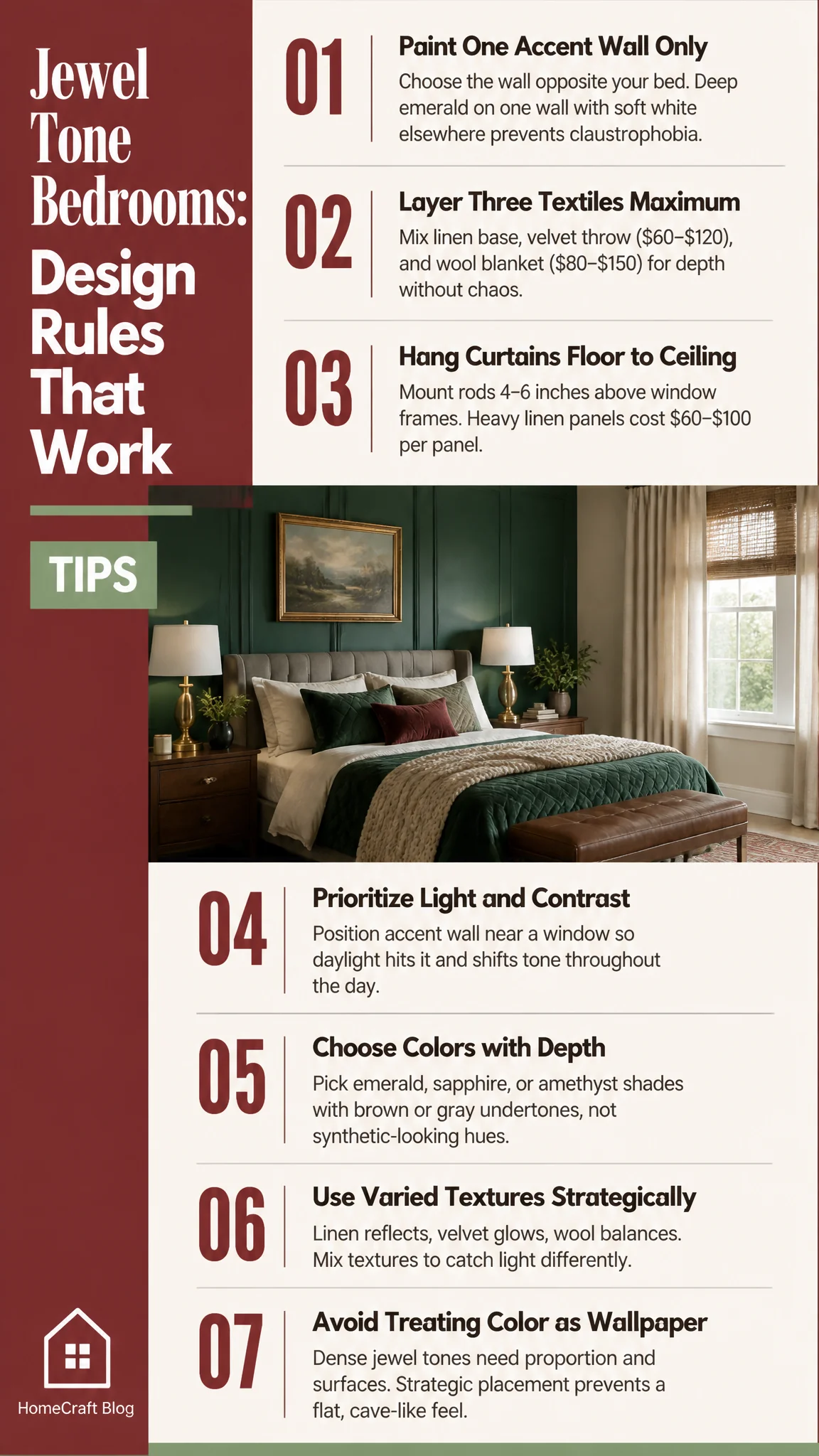
Jewel tone bedrooms trade airiness for richness, and that's the deal worth making. These colors don't work well in rooms with little natural light or low ceilings, they'll feel bunker-like without proper proportion and reflection. In smaller bedrooms under 100 square feet, use jewel tones on textiles or furniture rather than walls to keep the space from closing in. Commit to one or two jewel tones rather than mixing three or four, which dilutes the impact. The payoff is a bedroom that feels complete and intentional, a place that's deeply yours instead of generically soothing. That depth matters more than a light, airy feeling ever will.
Ideas fade by Friday. A plan finishes the room.
You just read a full guide to your bedroom. Saving ideas will not change it; a plan will. The Home Decor Collection is every planning tool we make, for every room in the house, in one download, so the after photos below stop being other people's rooms.
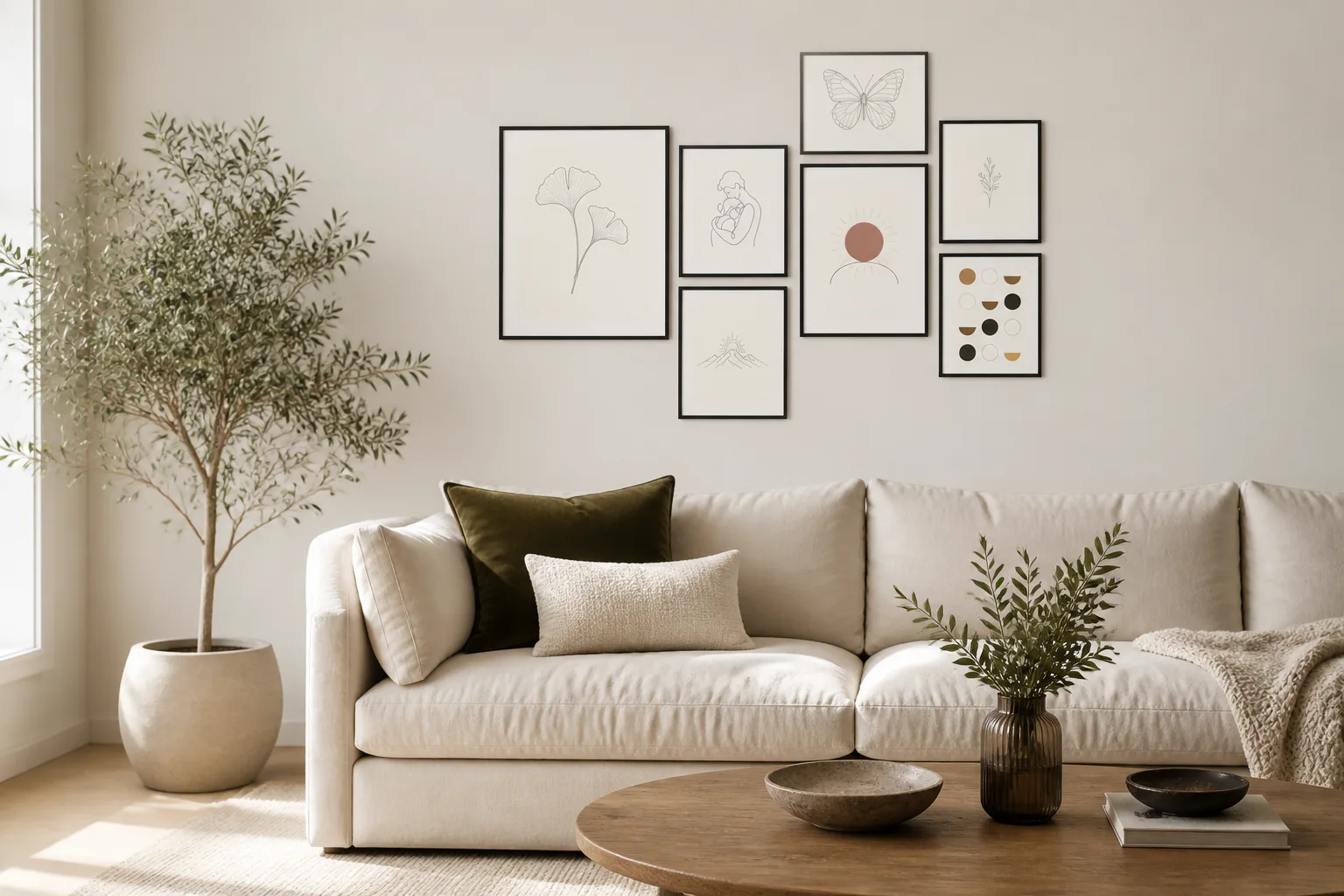
- Six room Style Kits, each with layout, palette and shopping list$114
- The Gallery Wall Studio: 200 prints + 15 measured layouts$29
- The Room Makeover System: 40 solved room layouts + workbook$29
- The Color Palette Handbook: 60 palettes shown in real rooms$19
- The Whole-Home Reset: 40 printable organizing checklists$19
- The Decorator's Cheat Sheets: the 40 measurements that matter$9
- All eleven products, bought separately
$219$97
A single hour with an interior designer costs more than the entire Collection, and this one keeps answering for every room you will ever decorate. Free updates included as the products grow. And if it is not for you, the 14 day money back promise means you simply get a refund.